
A Dry Bar Crawl? How To Keep Dry January Going All Year Long
Originally published in Forbes.
Were you one of the millions that reportedly took part of Dry January? Are you thinking about continuing it?
To paraphrase Charles Dickens at the end of “A Christmas Carol,” you can keep the spirit of Dry January going all yearlong. Enter the dry bar crawl.
According to Jan. 2019 research by the University of Sussex, people who took part in Dry January were still practicing mindful drinking by August, resulting in less alcohol consumed as well less drunken days overall.
So how can you apply some of the mindful drinking skills your practiced during Dry January? Plan a night around socializing, but try out a dry bar crawl. As more bars add non-alcoholic options, with some planning, you can jump from spot to spot, and still enjoy the ambiance of your favorite bars.
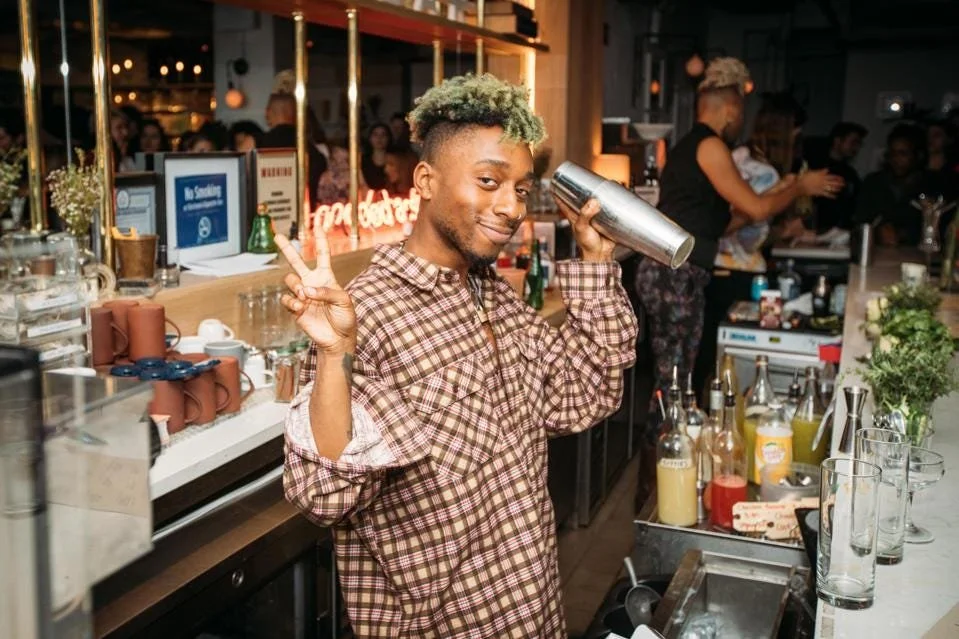
In Brooklyn, for example, you can hop from The Getaway, a fully no-proof bar in Greenpoint to Cobble Hill’s Clover Club and Leyenda, then end the night at Crown Height’s Hunky Dory. Listen Bar, another non-alcoholic bar, has wrapped its month-long stint at the Williamsburg Hotel, but it has just announced a new lineup that will take it outside New York and the U.S. for the first time. (Check Listen Bar’s Instagram or website to find future pop-up locations.)
Want to stay in Manhattan? Check out the non-alcoholic offerings at Dante, the NoMad bar, Jungle Bird and Nitecap. Are you in the South? Wildcrafters, a new no-proof bar just opened in Jacksonville, Fla.
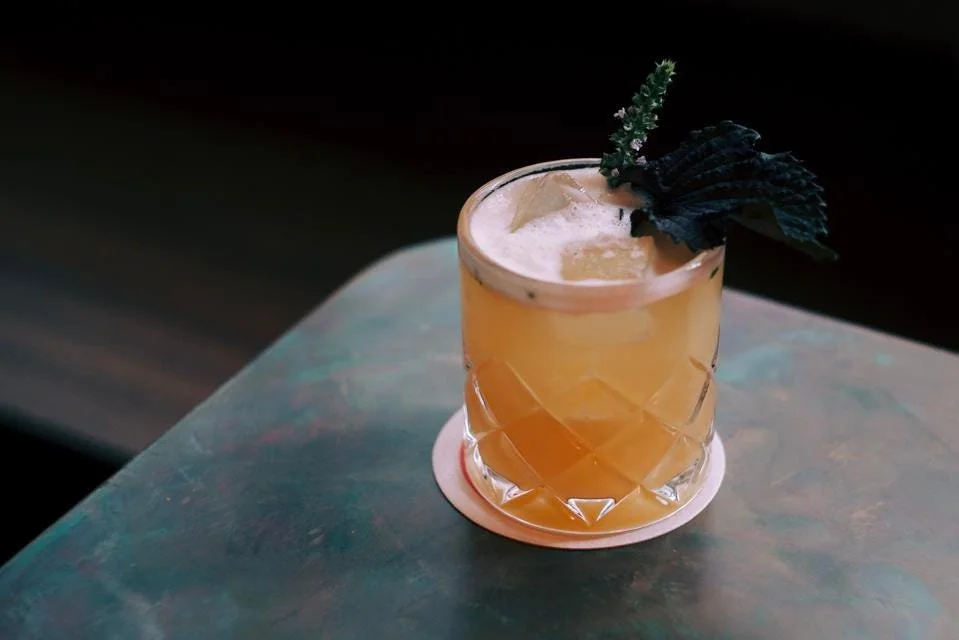
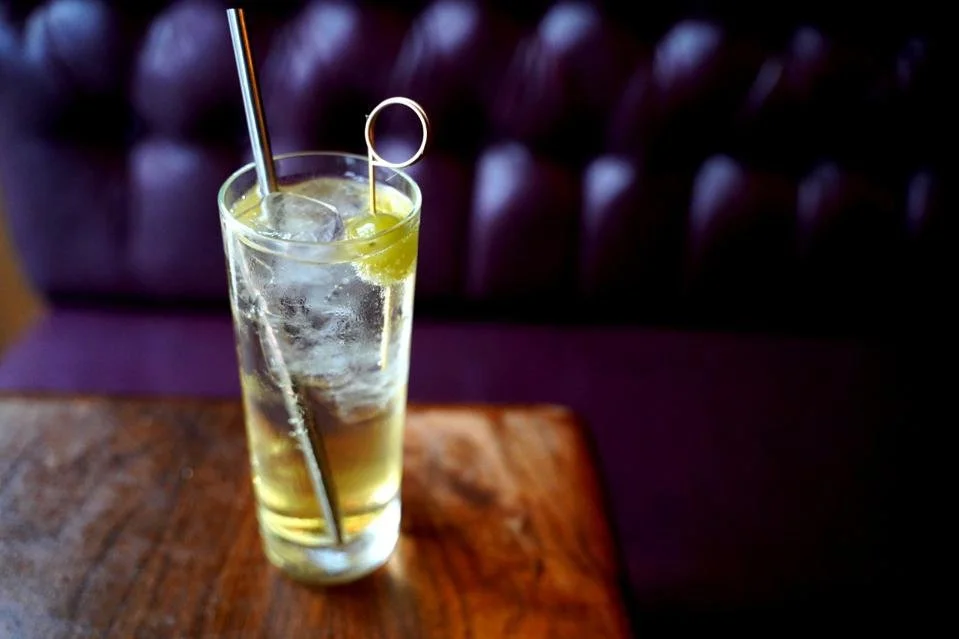
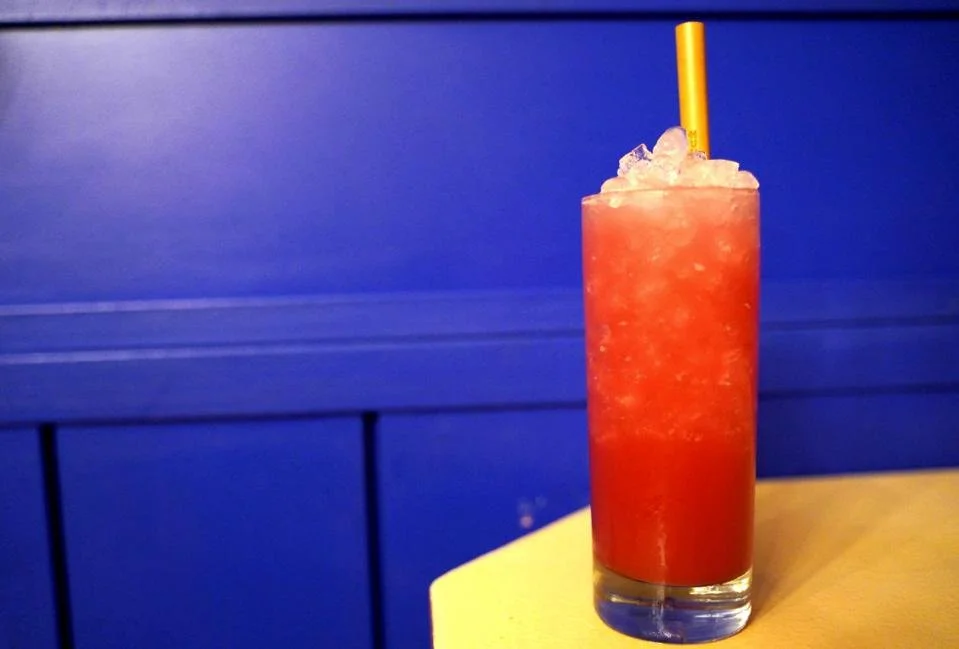
A night of non-drinking isn’t just about fizzy sodas. Look for drinks such as the Tom-Olive Collins at Clover Club (Seedlip Spice, verjus, tomolive brine, agave and tonic) or the Garden Party from Z Bar (Seedlip 108, lime, cucumber and rosemary).
Nor does a sober night necessarily mean it has to be dull. Witness the party atmosphere at Listen Bar, or the romantic mood lighting at Getaway. “It’s like a traditional bar,” Getaway Bar’s co-owner Regina Dellea says of coming to Getaway. “The lighting is dim, we have the music on. Sometimes it’s quieter and there will be quiet conversations. On Saturdays, when the bar is full, people talk to each other.”
As the so-called sober curious movement gains traction, more people have been questioning long-standing ideas that fun has to be linked to drinking. “Alcohol is one of those things that doesn’t always hold up under closer inspection,” Listen Bar founder Lorelei Bandrovschi says. “It’s supposed to always be fun and loose but it doesn’t always feel that great. Not drinking is supposed to be boring and restrictive. My experience has been that it’s actually fun and feels great. It has a power.”
A sophisticated dry bar crawl is hardly limited to New York. If you find yourself on the West Coast, plan a night with stops at Inko Nito, Providence, Bibo Ergo Sum and Employees Only LA. Chicago residents, don’t miss the stellar drinks at the highly lauded Kumiko, Z Bar and The Darling. The key is to do a little bit of research and some light social-media stalking to find menus and drinks. If all else fails, ask the bartender to whip up something special for you. Any bar with fresh syrups and sparkling waters is essentially a dry bar.
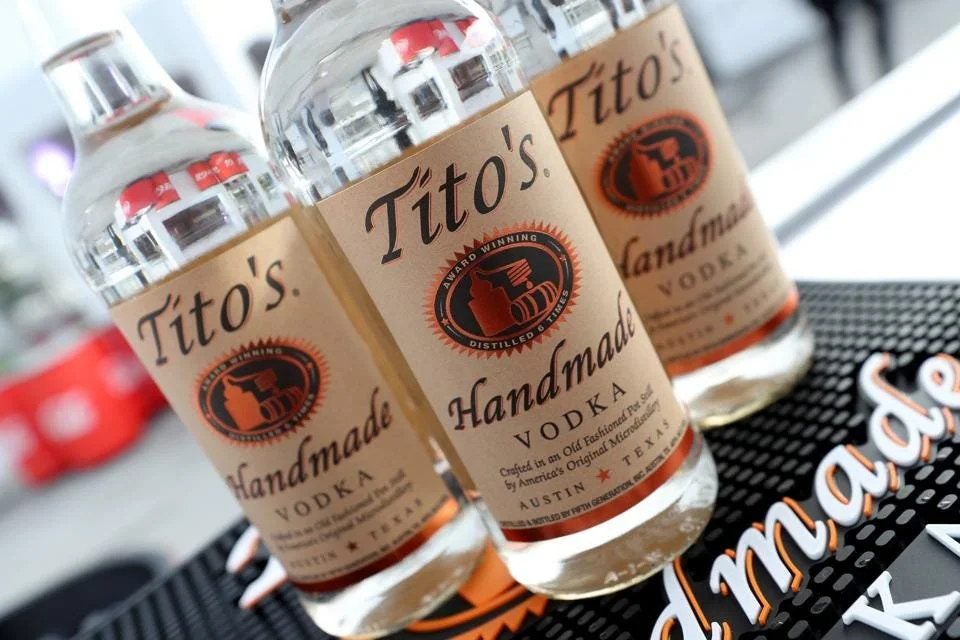
2019’s Drink Trends: Tito’s Top Spirit In U.S.; No/Low Continues To Grow

Originally published in Forbes.
If you ordered a Tito’s cocktail last year, you have company. The vodka brand is now the top-selling distilled spirit in America, dethroning Smirnoff.

That’s according to a new report by IWSR, which collects data on the global beverage market. Vodka remains the top-selling spirit in America by volume; Tito’s Handmade Vodka, which jumped 20% in sales last year, can now claim top status.
Americans were also drinking mezcal and Japanese whisky last year. Those two categories grew by 40% and 23%, respectively.
If Americans were drinking spirits, then they weren’t drinking wine. According to the data, wine sales dropped in 2019. It’s the first time in 24 years that sales in this category have dropped, even as the sparkling wine category grew by 4%. According to IWSR, wine accounts for 11% of total beverage alcohol in the U.S.
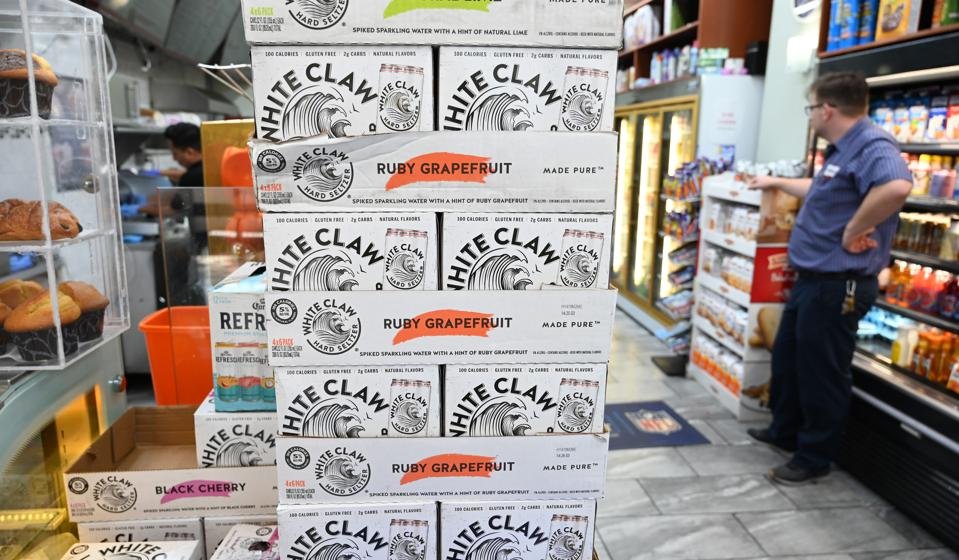
Other findings: the ready-to-drink category surged by almost 50% in 2019, pushed in part by the popularity of hard seltzers like White Claw. Canned cocktails also contributed to the surge in the RTD category. The ready-to-drink category may have cannibalized its next adjacent category: beer.
Beer sales, by category, dropped by 2.3%. Craft beer sales, however, were up (4.1%), and so were sales in the no- and low-alcohol category. The rise of low- and no-alcohol was predicted; IWSR’s previous report, published in Jan. 2019, which found the 52% of Americans said they were looking to reduce their alcohol intake. Last year’s report also noted that while Dry January continues to grow in popularity, data points to people extending their mindful drinking throughout the year. In 2019, low- and no-alcohol sales in the U.S. posted a gain of 6.6%, beating the industry forecast of 5.6%.
According to IWSR Drinks Market Analysis, the volume of low/no alcohol products in the U.S. was about 13 million nine-liter cases, up 8.3% from 2017. All told that’s still only about 0.5% of the total U.S. beverage alcohol market, which means there’s a lot of room to grow. IWSR forecasts that the category volume will grow by over 35% between 2018 and 2023. One important note: Because low- and no-alcohol spirits, such as Seedlip and Ritual are so new and still small in the U.S., there is no data yet. The data above reflects sales for low- and no-alcohol beer and wine.
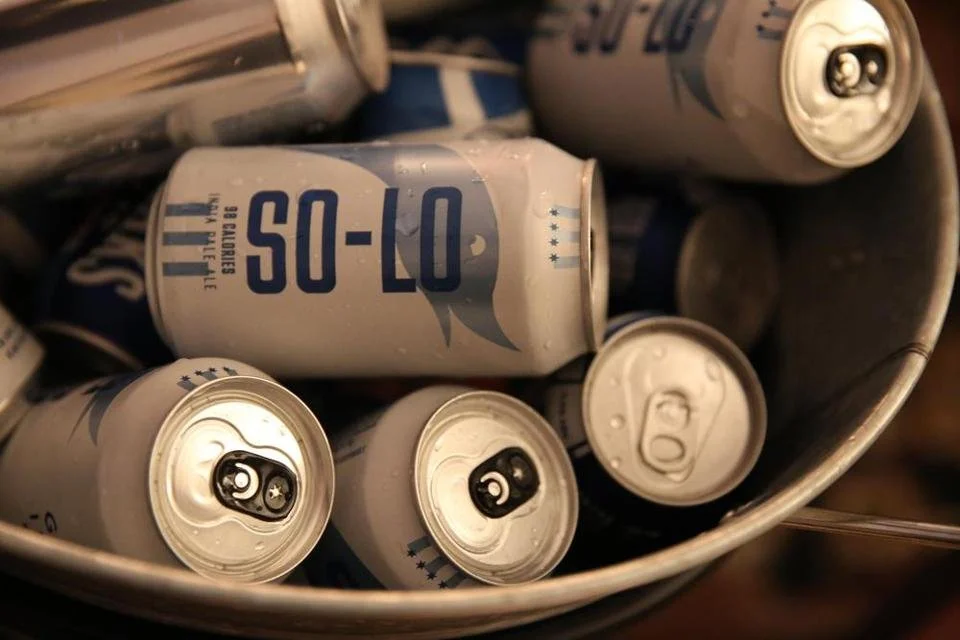
Brands, of course, are taking note. This month, Anheuser-Busch debuted several new low- and no-alcohol products, including Golden Road’s Mango Cart Wheat Ale, a non-alcoholic light beer inspired by Los Angeles’s fruit vendors, and Goose Island’s So-Lo, a low-calorie beer with IPA-worthy hoppy notes and 3% ABV.
Distill Ventures, a Diageo-backed drinks accelerator, has followed the non-alcoholic space for several years. "We do see the trend continuing to grow," Distill Ventures North American portfolio manager Heidi Otto says. "Going into 2020, I hear over and over that the consumer is all about choice. They want to be able to go out any time, any place and have an experience that allows them to have any type of drink that they want."
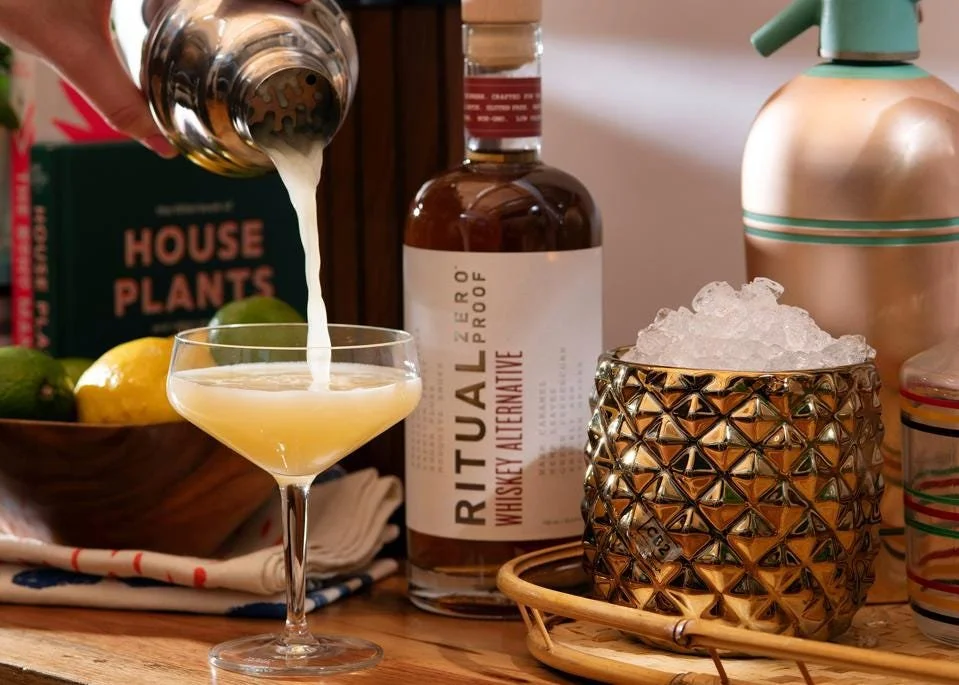
Chicago-Based Ritual Zero Proof Enters The Non-Alcoholic Space
Originally published in Forbes.
Following the success of non-alcoholic distillate Seedlip, there’s a new American-made non-alcoholic spirit entering the sober fray.
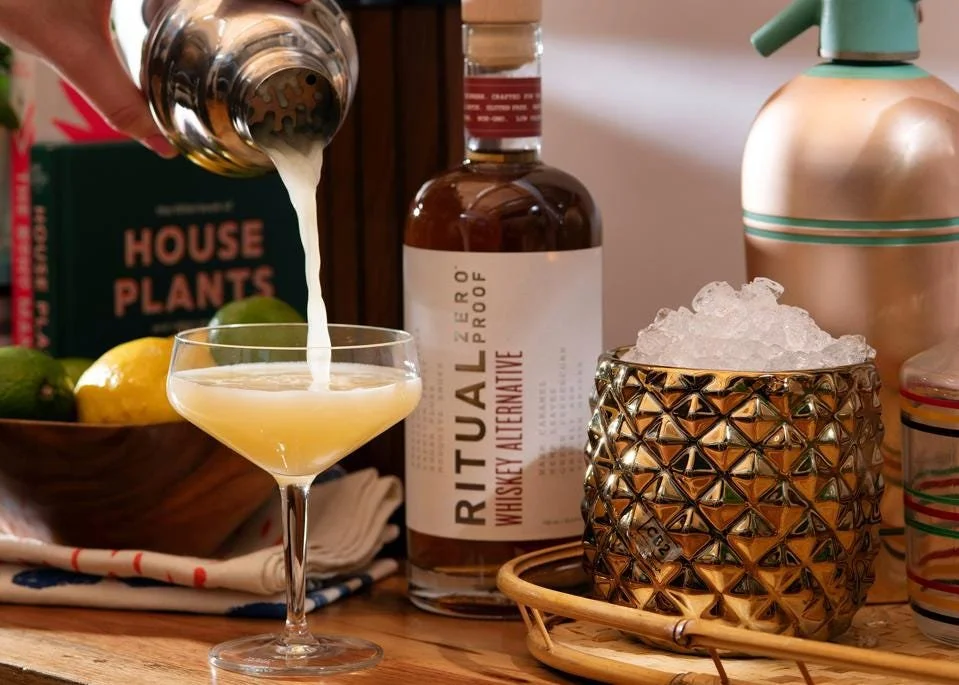
Meet Ritual Zero Proof, which debuted in Chicago last fall and sold out of a projected six-month run in just over a month. Created by Marcus Sakey , GG Sakey and David Crooch, Ritual aims to be a one-to-one substitute for liquor and was designed with cocktails in mind. It’s available for sale online, and it’s about to launch on the East Coast in the next months.
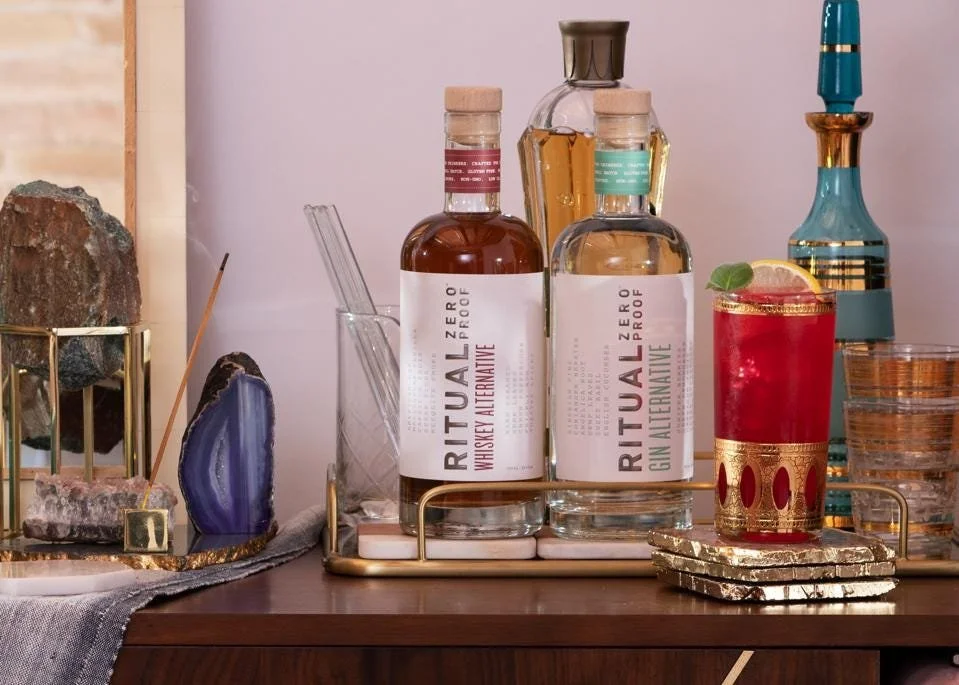
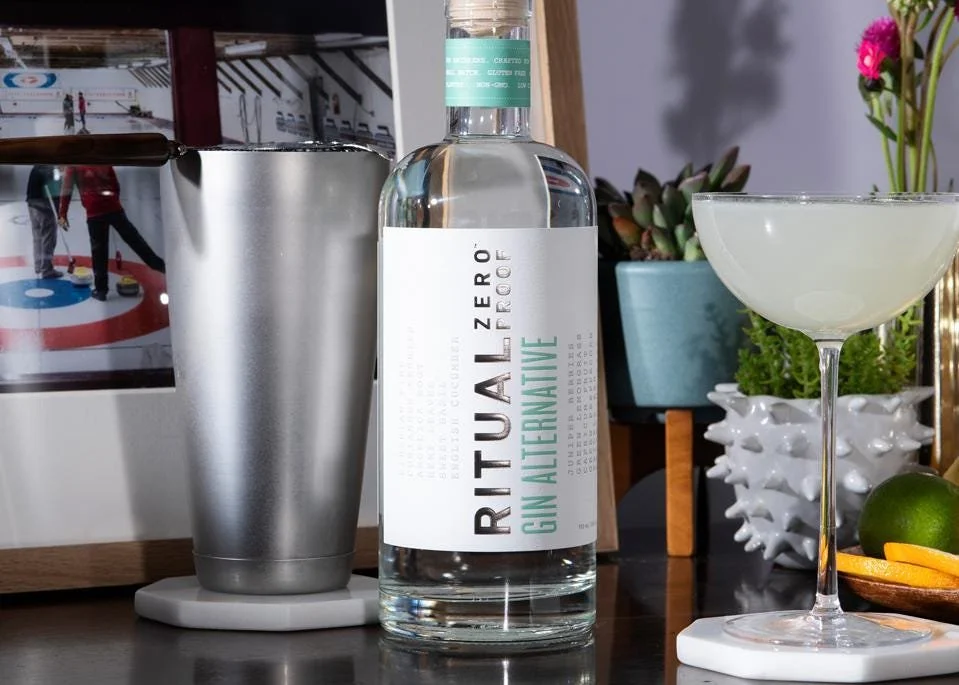
Ritual launches with two iterations, a whisky and a gin substitute crafted with the flavors, mouthfeel and burn of traditional spirits. (A zero-proof tequila alternative is set to arrive later this spring, in time for summer events.)
“Ritual zero proof is the first American spirit alternative that echoes the taste, the smell and the burn of liquor without the alcohol or calories,” co-founder Marcus Sakey says. “Our whisky alternative is rich with vanilla and caramel. Our gin is bright and herbaceous. They both have the heat and the bite that you expect of alcohol. You need that to make a proper cocktail.”
The nascent brand has already picked up investment from Distill Ventures, Diageo’s investment arm. Distill Ventures was an early investor in British brand Seedlip, the first non-alcoholic distillate; Diageo took a majority stake in the brand last August, just four years after its launch.
As Dry January grows in popularity each year, there are signs that more people not only are seeking out sober alternatives, they are doing so beyond just one month a year. According to a 2019 report from the University of Sussex, people who took part in Dry January sustained healthier drinking patterns throughout the rest of the year. Drinking days fell from 4.3 to 3.3 per week, while 82% of respondents felt more about their relationship to drinking and alcohol.
Yet even as people seek to lessen their alcohol intake, they may not necessarily seek to stop socializing or want to give up cocktails altogether. Ritual began, in part, when Marcus Sakey began tinkering with non-alcoholic options for himself and his then- pregnant wife. “In 2018, I took a conscious break from liquor and I realized I didn’t miss the alcohol, I missed the ritual of the alcohol,” he says. “Making a really nice drink and settling in with a book and a cocktail.”
“Ritual Zero Proof is not whisky with the whisky taken out,” he explains. “It’s not a subtractive process. It’s an additive one. It’s like cooking. You take the best ingredients that reflect the taste of what you’re trying to create and then you combine them with precision and art.”
Ritual Zero Proof aims to slot into the place where people might want to drink but they are more mindful about how they do it, Sakey says. “It’s not about getting rid of alcohol,” he says. “We’re not anti-alcohol at all. We’re just another tool in the cocktail kit.”
“To us, Ritual is about more,” the novelist turned spirits entrepreneur adds. “It’s the third drink that lets you stay out a little longer. It’s the low-ABV cocktail when you mix it with actual spirits. It means you can have two instead of one.”

Non-Alcoholic Mixer Seedlip Debuts Cocktail Book

Originally published in Forbes.

As Dry January gains in popularity each year, no-proof drinking is poised to move from a once-a-year ritual to a year-round balanced approach to alcohol. Around 10% of British drinkers planned to abstain this month, according to Alcohol Change UK, the non-profit behind Dry January.
At the head of the no-proof movement is Seedlip, the first and most well-known of the emerging non-alcoholic products. First launched in London in 2015, the brand was quickly embraced by the U.K. bar community. The brand arrived stateside in 2017, where it began appearing on cocktail menus across Manhattan and Brooklyn.
Seedlip has just debuted its first cocktail book, featuring 100 recipes from bartenders around the world, including PDT’s Jim Meehan and The Dead Rabbit’s Jack McGarry.
“There's not a lot of words in the book,” Seedlip founder Ben Branson said at the Manhattan book launch party, held last week at the Orchard Room. “This isn’t a coffee table, where you have a little flip and then never look at it.
“This is a rip pages out, put Post-Its in it, write on it,” he adds. “Bend pages. Get your hands dirty, make drinks and use it.”
Drinks you can make at home include the “Pais de Canela” from Blacktail’s Aidan Bowie. This cocktail features a mix of Seedlip Spice 94, a celery root and cinnamon cordial, cider spice noir tea, and apple cider vinegar, served with a grapefruit garnish.
The Walker Inn’s Devon Tarby’s “Souverain” is decadent swirl of Seedlip Spice 94, verjus, fresh lemon juice, spiced peach cordial and ginger syrup. There’s also the “Winter Shandy,” created by Trick Dog’s Josh Harris, made with Seedlip Spice 94, a spiced apricot ceylon shrub, lemon juice, sugar syrup and non-alcoholic beer.

Seedlip’s cocktail book launches during the time of the year that a lot of people try to drink less, or stop entirely. But as Seedlip’s Ben Branson notes, Dry January can be just the start of a new approach to balanced drinking and socializing. “I really hope Dry January doesn’t exist in the future,” he says. “We shouldn’t need Dry January in all fairness. All we’re looking to do is offer choice.”
“It’s a really important month at the moment,” Branson says of Dry January, and of launching the book this month. But as more people get tuned into a moderate approach to drinking, Branson hopes that no-proof drinking becomes a part of, not a just a novelty, of the drinking landscape.
“I don’t think we need it in the future,” he says. “I don’t care if you’re drinking or not. It should not even be in the conversation.”
Kick Off With Dry January With These No-Proof Drinks

Originally published in Forbes.
New year, new habits? If you’re one of the many Americans who are trying out Dry January, there’s no need to have only fizzy water or tea for the next 31 days. Now’s the time to explore the best that non-alcoholic drinks can offer.
As Dry January gets more popular, bars are stepping up their no-proof drink options (and many are debuting dedicated non-alcoholic drink menus). From vegetal to fizzy, here’s a look at some delicious Dry January cocktails that you can make at home or try at some of these craft bars.
The Seldom in the Daylight from RedFarm’s Shawn Chen takes inspiration from the classic Mojito. Sugarcane, fresh lime and mint, just hold the rum.
Combine fresh lime wedges and mint in a glass, then gently muddle. Once softened, add the lime juice, sugarcane juice and the Fever-Tree club soda. Stir well to combine. Garnish with more mint and a lime wedge.
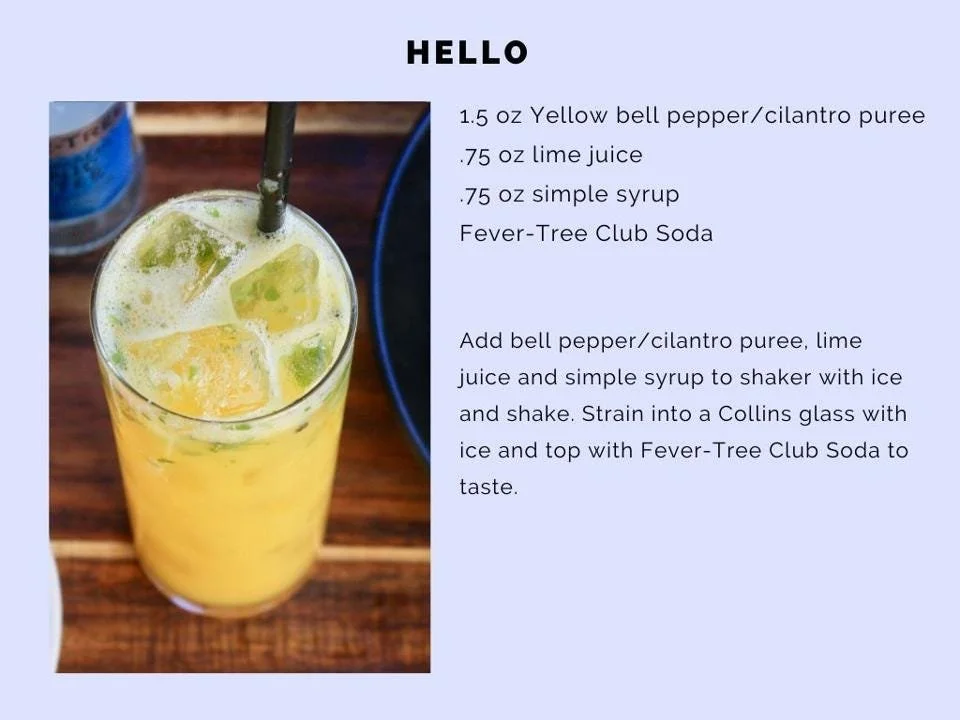
Look to savory vegetables and herbs that you can turn into a base for a complex drink. At Denver’s Ace Eat & Serve, Connor Green combines yellow bell pepper and cilantro for his bright and refreshing “Hello” cocktail.
In a blender, add yellow pepper and cilantro and blitz until it’s a puree. Add the fresh puree, lime juice, simple syrup and ice to a mixing tin and shake vigorously. Strain into a Collins glass filled with ice and top with chilled Fever-Tree club soda.

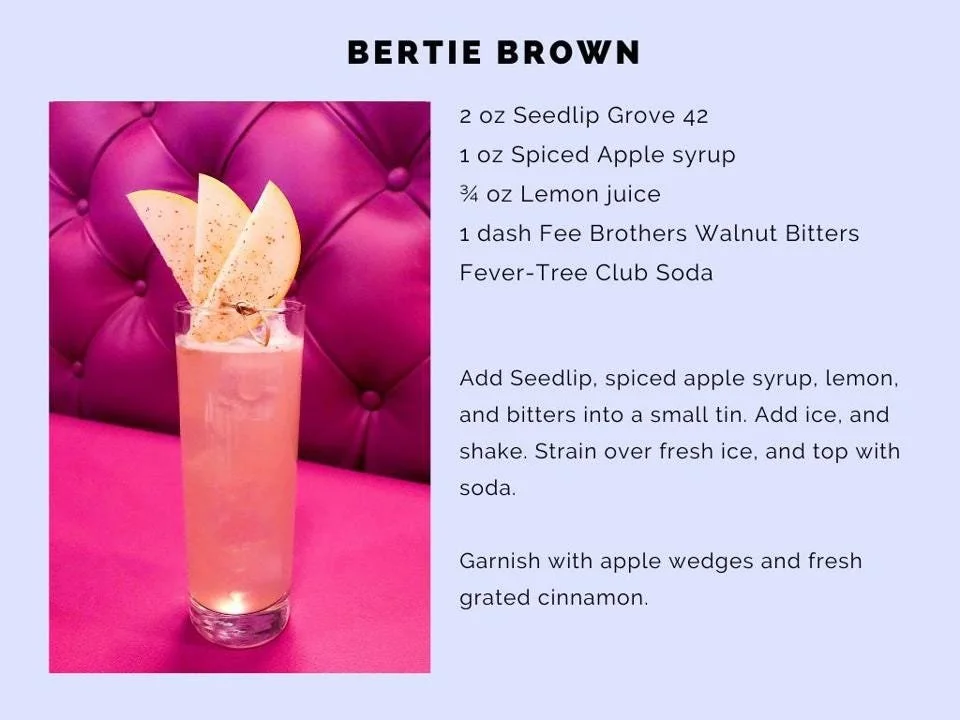
The Seedlip range of non-alcoholic spirits have established themselves as the go-to base for bartenders looking for a complex non-alcoholic drinks base. Seedlip 42, in this drink, brings notes of orange, lemon peel, peppercorn and ginger.
The Bertie Brown, by Marshall Minaya at Valerie in Midtown, adds a sprightly spiced apple syrup to Seedlip 42 for a seasonal long drink. To make, combine Seedlip, the apple syrup, lemon juice and bitters into a mixing tin. Shake briskly with ice, strain into a Collins glass, then top with Fever-Tree club soda. Garnish with fresh apple wedges and grated cinnamon.
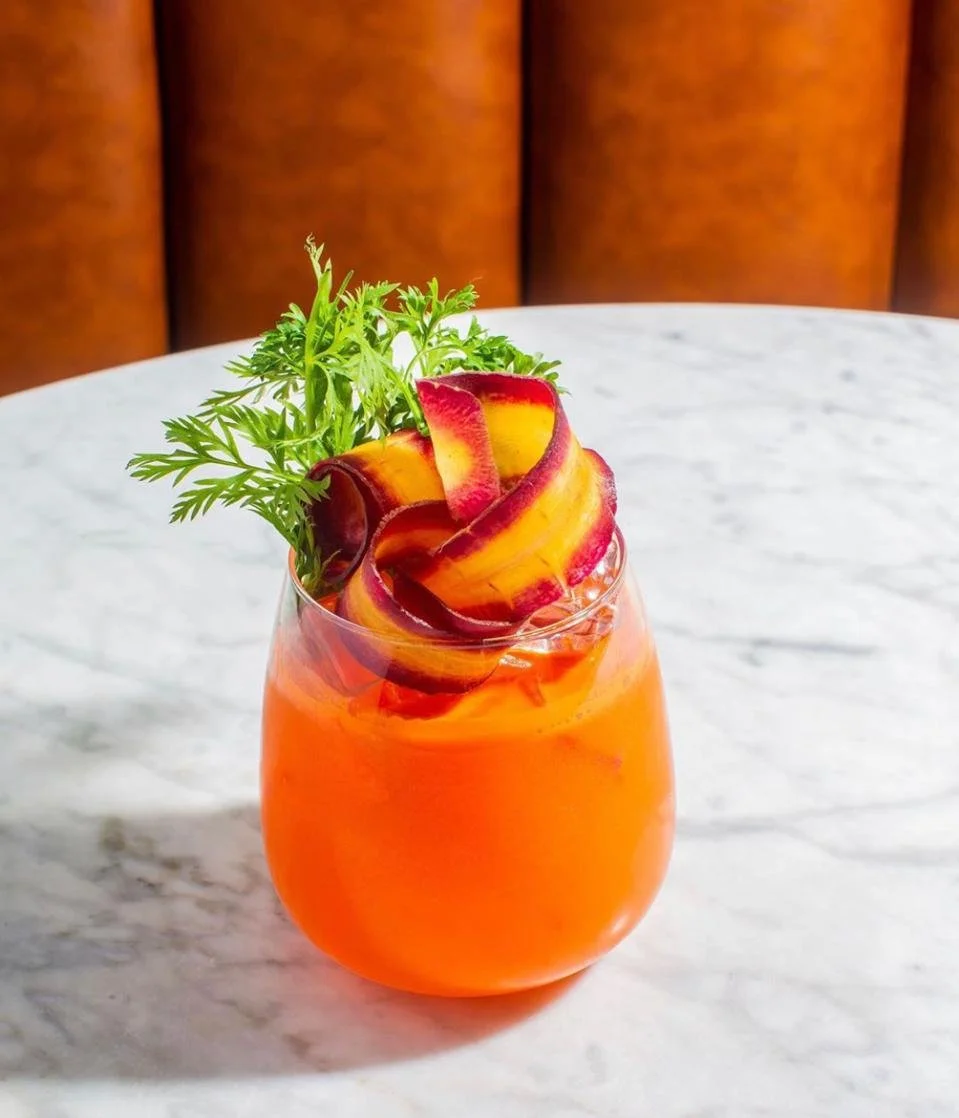
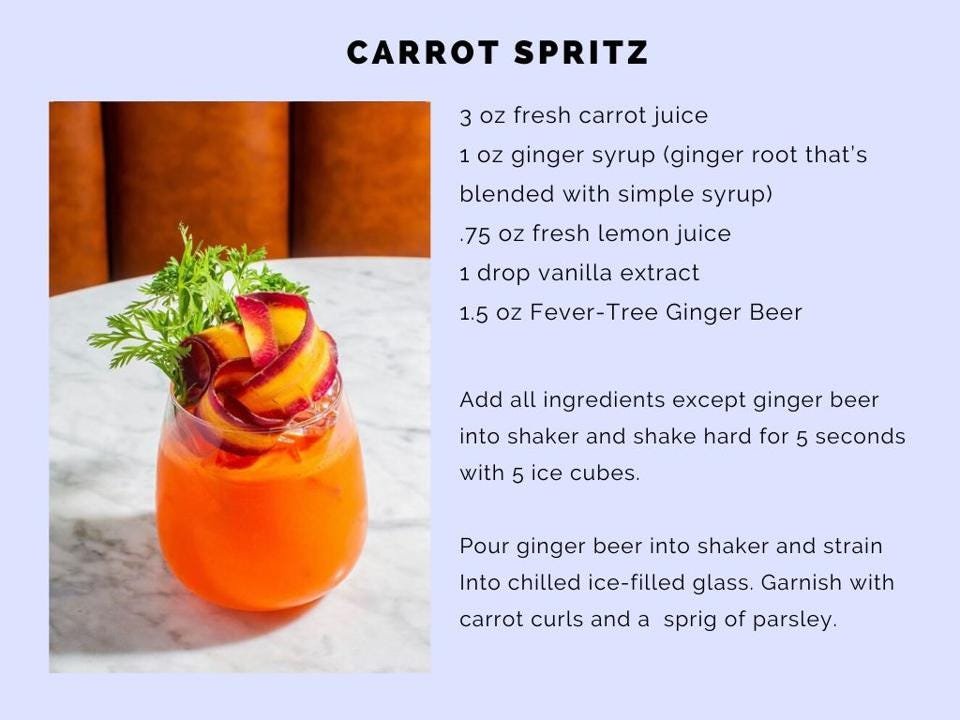
The bright orange hue of the Carrot Spritz is just the beginning. Lush and vegetal, with a bracing hit of ginger, this might be the drink you take with you long after Dry January is over.
Created by Gaby Mlynarczyk at the Fat Radish, this non-alcoholic spritz is made by combining fresh carrot juice with ginger syrup, lemon juice, and a drop of vanilla extract in a mixing tin. Shake briskly with ice, then add the Fever-Tree ginger beer. Strain into an ice-filled glass and garnish with carrot ribbons and a sprig of parsley.
Fever-Tree’s Charles Gibb on The Changing Drink Landscape

Originally published in Forbes.
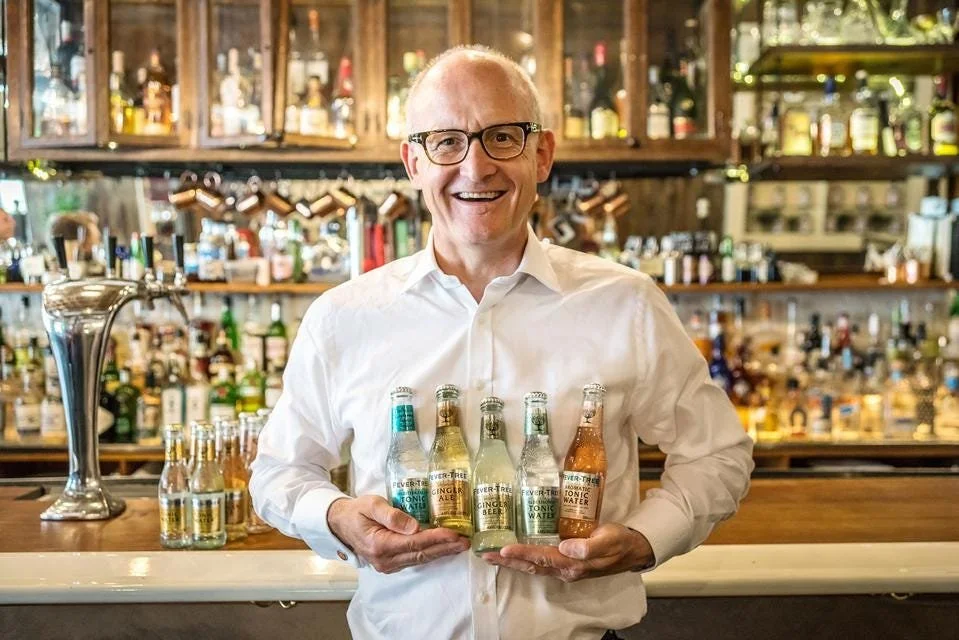
If Fever-Tree CEO Charles Gibb had his way, he’d get rid of every soda gun in every bar in every city, starting with New York.

“The main causes of health code violations across cities are syrup boxes,” Gibb says, explaining that syrup boxes, often in the basement of bars, are linked to soda guns upstairs. “When was the last time those lines were cleaned? Do you know how some bartenders mix ginger ale? They’ll mix Coke and Sprite, maybe add some ginger bitters or syrup.”
While his company, the high-end mixer Fever-Tree, which comes in a range of flavors from Mediterranean tonic to spicy ginger ale, would definitely benefit from bars ditching their soda guns, Gibb argues that every smart consumer should demand nothing less. (To get a sense of the Fever-Tree ethos, New Yorkers can stop by Bryant Park’s Porch, the brand’s first dedicated standalone bar, which opened last month.)
“I spent 27 years in the wine and spirits industry, and a lot of the time, I was frustrated because these delicious, stunning spirits created by master distillers and master blenders were destroyed before the consumers even got their drink,” Gibb says.
“Think about it: A master distiller will select their grains from the best they can find,” Gibb says, describing a typical distilling process. Around the world, spirits are carefully crafted by expert teams; liquid will sometimes rest in hand-selected barrels before ending up in a bottle. “Sometimes, [a master distiller] will even put their name on a gorgeous bottle. And then, in the last 30 seconds before you or I get to drink it, that spirit is completely destroyed by an injection of artificial ingredients.”
Gibb gestures towards his drink, Woodford Reserve bourbon topped with Fever-Tree ginger ale. “As much care, dedication and thought has gone into the creation of this mixer as went into the creation of that spirit,” he says. “I want people to realize that if they are spending all this money on this spirit, then they should make sure the mixer is as good.”
Fever-Tree, which uses natural ingredients, such as real ginger, is poised to benefit from bars taking more care with their drinks experience, especially when cocktails in high-end bars can cost around $16 or more.

“What is the most ordered drink in the whole world? In any bar, in any part of the world?,” Gibb asks. “The most ordered drink in the world is: ‘Same again.’” But if consumers are given bad drinks, they won’t reorder, and they may not come back, he argues.
Given the competitive nature of the bar world in New York and other cities, he argues that it makes sense for bars to step up by offering the Fever-Tree products.
“If you’re charging $16 for a cocktail, why shouldn’t the consumer be out there demanding a better mixer?” he says.