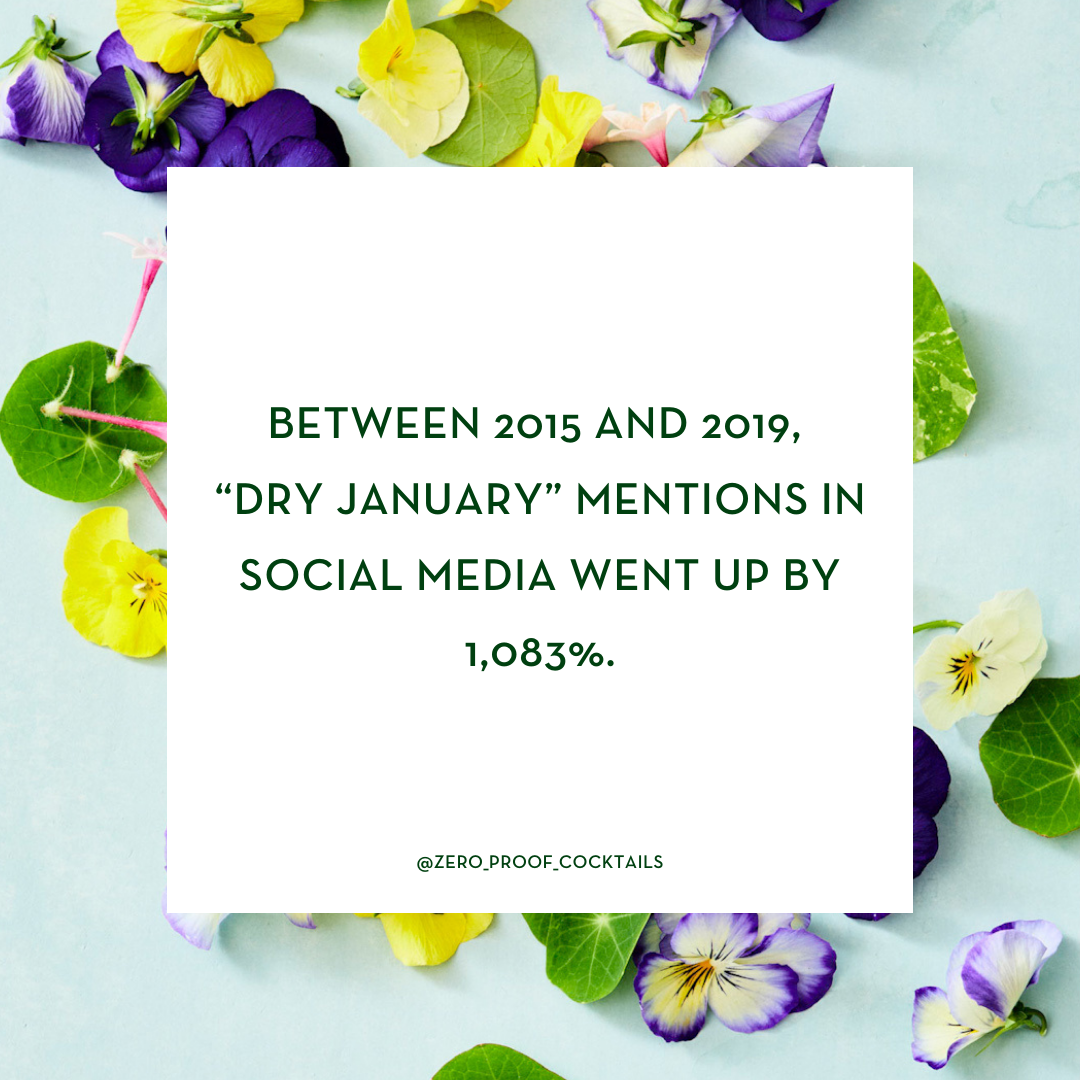
Dry January Mentions Soared By 1000% in Four Years
When did you first hear about Dry January?
If taking a month off of drinking feels like it's become a regular part of each new year, that's because the conversation has increasingly grown over time, especially on social media.
Is there a point where Dry January will be over-saturated? Or has it woven itself inextricably into the contemporary wellness culture?
The sharp rise in interest in all things Dry January suggests it's not just a fad but a long-term trend. That said, at some point, even the strongest trends fade.
My version of a prediction: People will continue to do Dry January, but will evolve it to take time off drinking on their own terms, like "every three weeks of each month" or "every other two months."
However, you do it, do it on your own terms and find what works for you.
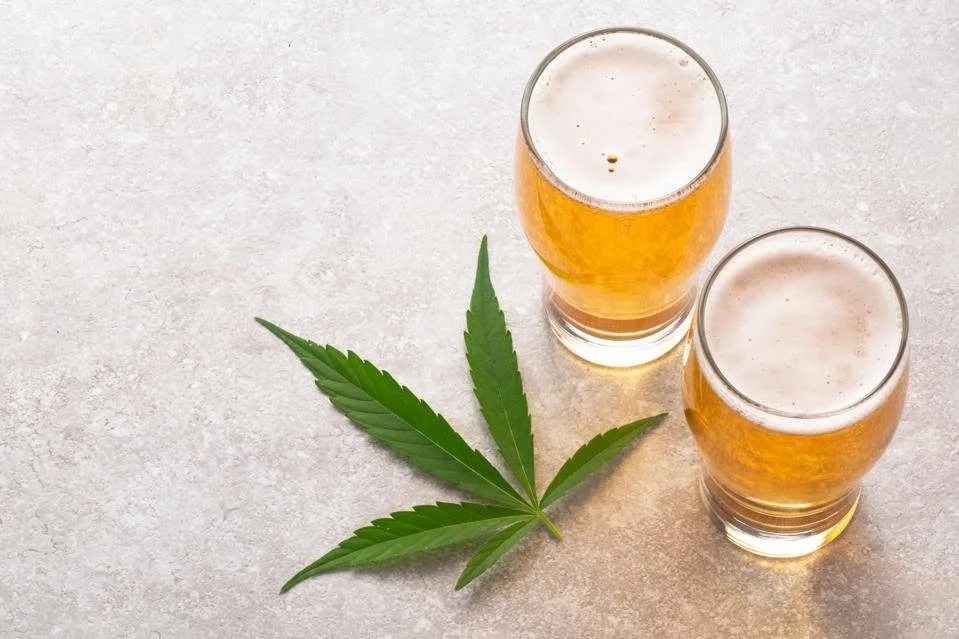
Is Cannabis Beer The Next Big Trend In The U.S.?
Originally published in Forbes.
When New York State announced, at the start of April, that it was joining states such as California and Portland in a move towards legal, recreational marijuana, it prompted the question: what does this mean for new products?
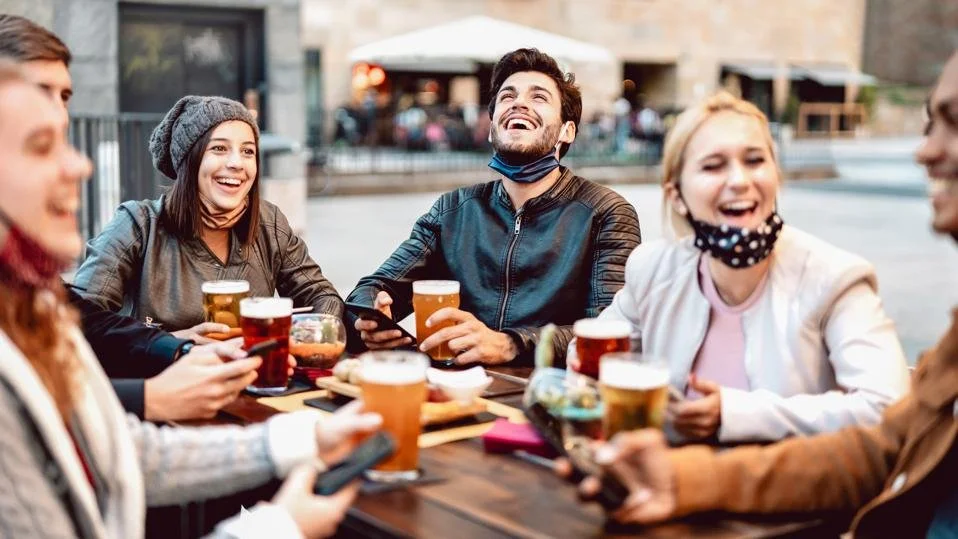
A hint is buried in AB InBev’s 2020 annual report, which was released this past February. AB InBev, the parent company of Anheuser-Busch, manages a global portfolio of beverage brands, from beer to hard seltzer and ready-to-drink cocktails.
AB InBev, which produces beer brands such as Stella Artois, Budweiser and Corona, is also investing in the no- and low-alcohol beverage; the beverage maker launched 11 new no- and low-alcoholic beers, including Budweiser Zero and Stella Artois.
The no- and low-alcoholic market, overall, is poised to keep growing, despite pandemic pressures. One recent market study projects the category to be account for a full third of the total global alcoholic market by 2024.
Which is why the loosening of marijuana regulations could potentially intersect with a fast-growing industry sector, if companies can position themselves on the right side of regulators.
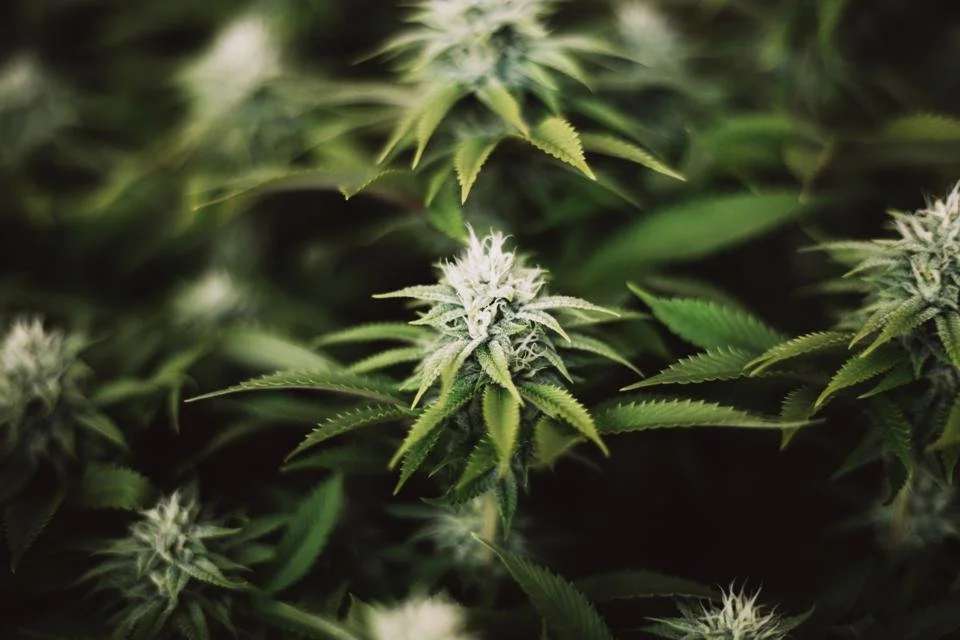
In the “Risks and Uncertainties” section of AB InBev’s annual report, the corporation notes that Labatt, a Canadian subsidiary, is researching non-alcoholic beverages infused with tetrahydrocannabinol (“THC”) and cannabidiol (“CBD”) as well as developing a non-alcoholic CBD beverage to be sold in Canada only.
The project is listed under “risks” because “cannabis remains illegal in many markets in which AB InBev operates, and violations of law could result in significant fines, penalties, administrative sanctions, convictions or settlements arising from civil proceedings or criminal charges,” the report states. “Furthermore, the political environment and popular support for cannabis legalization has changed quickly and remains in flux.”
Marijuana is legal in 17 U.S. states, including Alaska, California, Maine, Colorado and Illinois, while another 13 states have decriminalized its use. In some states, politicians such as Pennsylvania Gov. Tom Wolf are actively courting voters to help legalize marijuana. (Part of the new enthusiasm for this so-called green rush is because new, legal weed businesses would puff up pandemic-depleted tax coffers.)
In states where it’s legal, craft brewers have stepped in to experiment with THC- and CBD-infused beers, as beer blogs will attest. Uneven state regulations, however, won’t allow out-of-state shipping.

What this means is that there could soon be a turning point, as more states turn green, for multi-national corporations like AB InBev to step into the weed-infused beer space and enhance their standing in the no- and low-alcohol beverage space at the same time.
The craft brewers will remain but they may, in a few short years, be joined by marquee names from major beverage producers.

Expect Dry January To Be Bigger Than Ever In 2021
Originally published in Forbes.
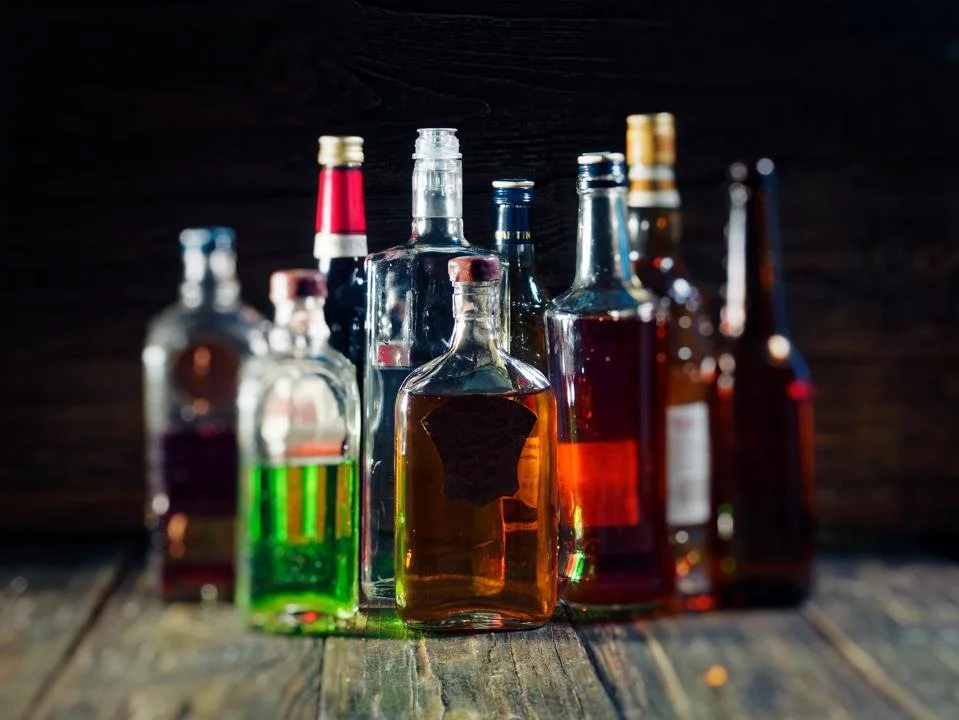
2020 had everyone reaching for a drink. As the new year dawns, millions are re-examining those choices.
Over 6.5 million people are expected to take part in Dry January in 2021, up from an estimated 3.9 million in 2020, according to new data from Alcohol Change UK, the British non-profit that popularized the trend a few years back. One in five British adults who drink alcohol (20%) are planning to do Dry January this year, representing 12.4% of the entire UK adult population.
Those numbers are impressive, especially when compared to the trend’s humble start. When Dry January first officially launched in 2013, only 4,000 people signed up for the pledge to abstain. Since then, the trend has shown no sign of stopping, and the pandemic might have something to do with it with giving it more momentum. These numbers only take into account the people who sign up for the month via the organization; there’s reason to believe millions more take part unofficially and are not counted.
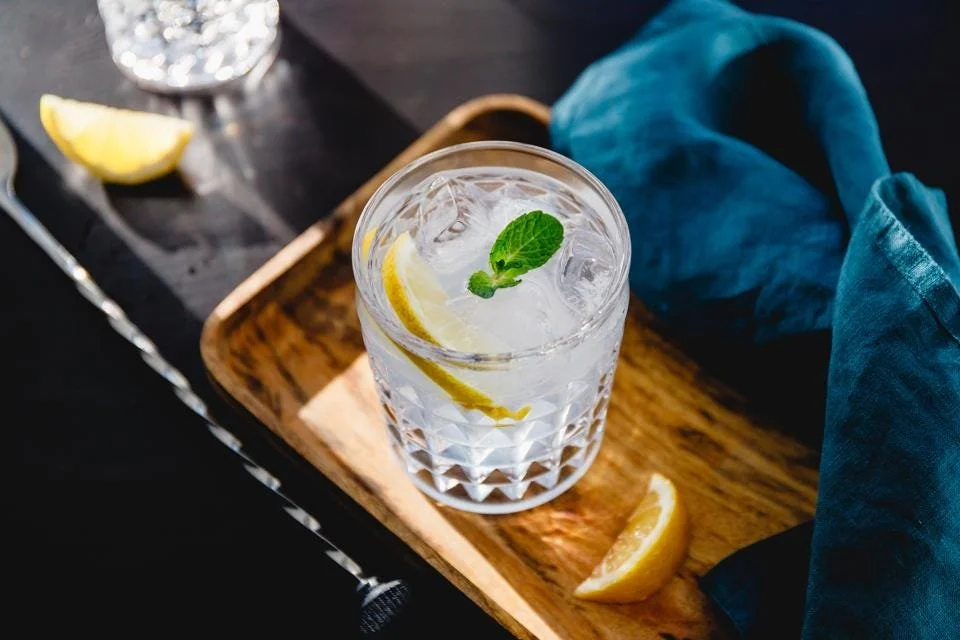
What appeared to be colloquial knowledge has been born out by new research: more people are drinking more heavily now since the start of the pandemic last spring. Nearly one-third (29%) of adults surveyed said they drank more in 2020 than previously. People reported drinking earlier in the day (26%) and drinking more often (31%), according to Alcohol Change UK. People also report “drinking to cope” and expressing concern about how much they drink.
Which means the timing is ideal for millions to eschew liquor and find their ways to better habits, even if they do return to drinking later in the year.
For those that do take part in the challenge, research has shown that the health effects are long-lasting. Research has shown that taking just one month off drinking can help reset bad habits, even if people do go back to drinking. Six months after completing Dry January, people reduced their drinking days from an average of 4.3 to 3.3, while the amount of liquor drunk fell from 8.6 units to 7.1. Frequency of drunkeness fell on average from 3.4 per month to 2.1 month, according to a 2020 study published in Psychology & Health. In 2018, the Royal Free Hospital found that taking just one month off alcohol lowered blood pressure and cholesterol, reduced diabetes risks and reduced the levels of levels of cancer-related proteins in the blood.
Taking part in Dry January for the first time? Having structure helps. Alcohol Change’s free app Try Dry lets people track the calories and money they’re saving by not drinking, as well as the units of liquor they’d typically drink. The app helps set goals and offers tips on staying dry. According to the non-profit, people who make a point to sign up for the month of abstaining, whether online or via an app, are twice as likely to complete the challenge, even if they were heavy drinkers to begin with.
2019’s Drink Trends: Tito’s Top Spirit In U.S.; No/Low Continues To Grow

Originally published in Forbes.
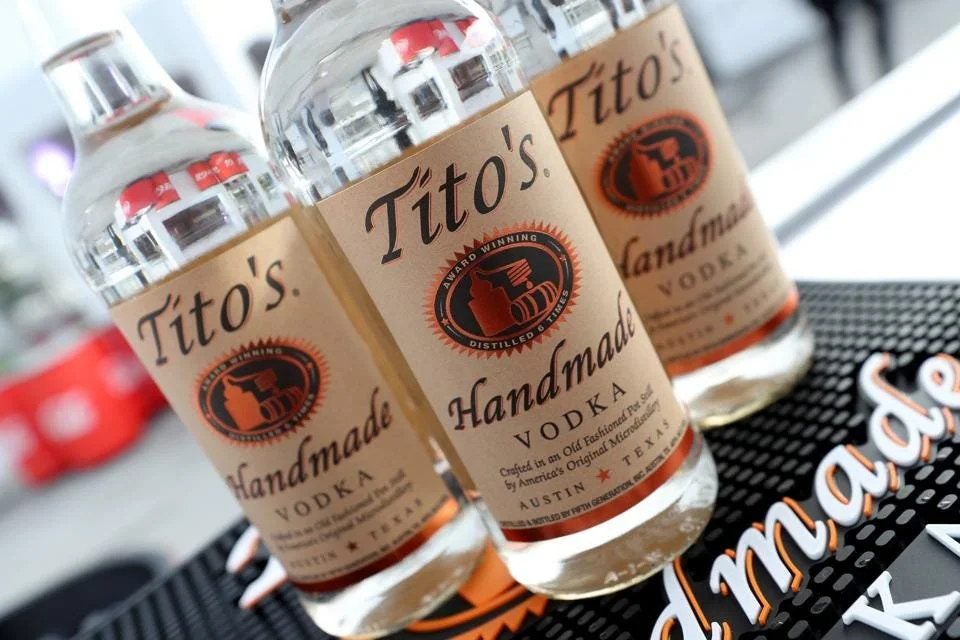
If you ordered a Tito’s cocktail last year, you have company. The vodka brand is now the top-selling distilled spirit in America, dethroning Smirnoff.

That’s according to a new report by IWSR, which collects data on the global beverage market. Vodka remains the top-selling spirit in America by volume; Tito’s Handmade Vodka, which jumped 20% in sales last year, can now claim top status.
Americans were also drinking mezcal and Japanese whisky last year. Those two categories grew by 40% and 23%, respectively.
If Americans were drinking spirits, then they weren’t drinking wine. According to the data, wine sales dropped in 2019. It’s the first time in 24 years that sales in this category have dropped, even as the sparkling wine category grew by 4%. According to IWSR, wine accounts for 11% of total beverage alcohol in the U.S.
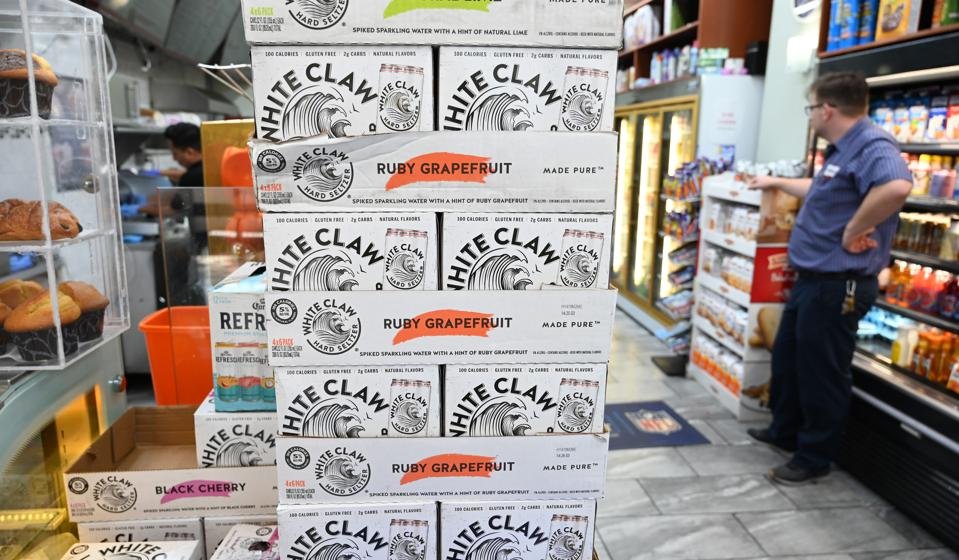
Other findings: the ready-to-drink category surged by almost 50% in 2019, pushed in part by the popularity of hard seltzers like White Claw. Canned cocktails also contributed to the surge in the RTD category. The ready-to-drink category may have cannibalized its next adjacent category: beer.
Beer sales, by category, dropped by 2.3%. Craft beer sales, however, were up (4.1%), and so were sales in the no- and low-alcohol category. The rise of low- and no-alcohol was predicted; IWSR’s previous report, published in Jan. 2019, which found the 52% of Americans said they were looking to reduce their alcohol intake. Last year’s report also noted that while Dry January continues to grow in popularity, data points to people extending their mindful drinking throughout the year. In 2019, low- and no-alcohol sales in the U.S. posted a gain of 6.6%, beating the industry forecast of 5.6%.
According to IWSR Drinks Market Analysis, the volume of low/no alcohol products in the U.S. was about 13 million nine-liter cases, up 8.3% from 2017. All told that’s still only about 0.5% of the total U.S. beverage alcohol market, which means there’s a lot of room to grow. IWSR forecasts that the category volume will grow by over 35% between 2018 and 2023. One important note: Because low- and no-alcohol spirits, such as Seedlip and Ritual are so new and still small in the U.S., there is no data yet. The data above reflects sales for low- and no-alcohol beer and wine.
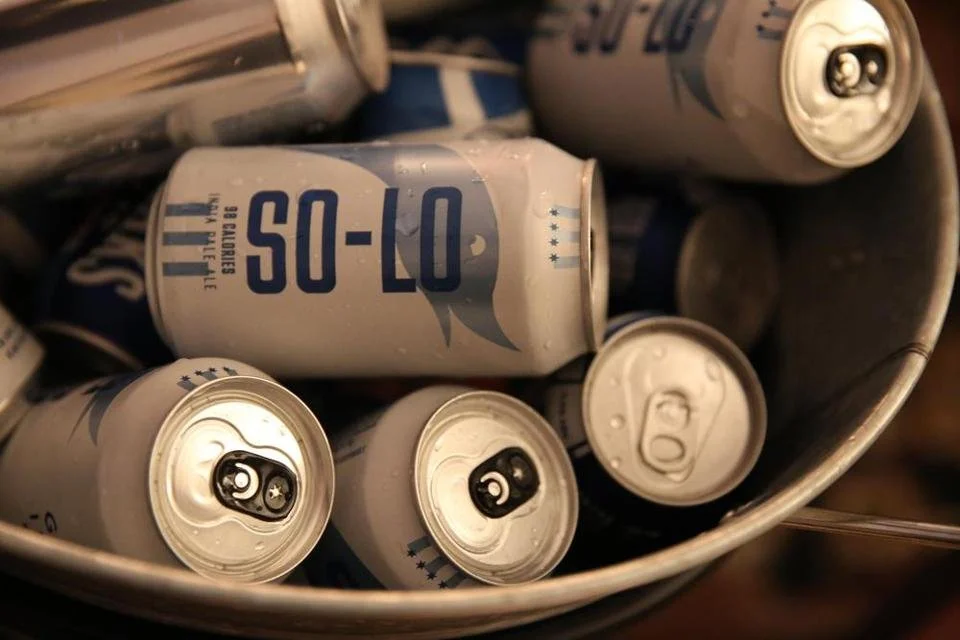
Brands, of course, are taking note. This month, Anheuser-Busch debuted several new low- and no-alcohol products, including Golden Road’s Mango Cart Wheat Ale, a non-alcoholic light beer inspired by Los Angeles’s fruit vendors, and Goose Island’s So-Lo, a low-calorie beer with IPA-worthy hoppy notes and 3% ABV.
Distill Ventures, a Diageo-backed drinks accelerator, has followed the non-alcoholic space for several years. "We do see the trend continuing to grow," Distill Ventures North American portfolio manager Heidi Otto says. "Going into 2020, I hear over and over that the consumer is all about choice. They want to be able to go out any time, any place and have an experience that allows them to have any type of drink that they want."
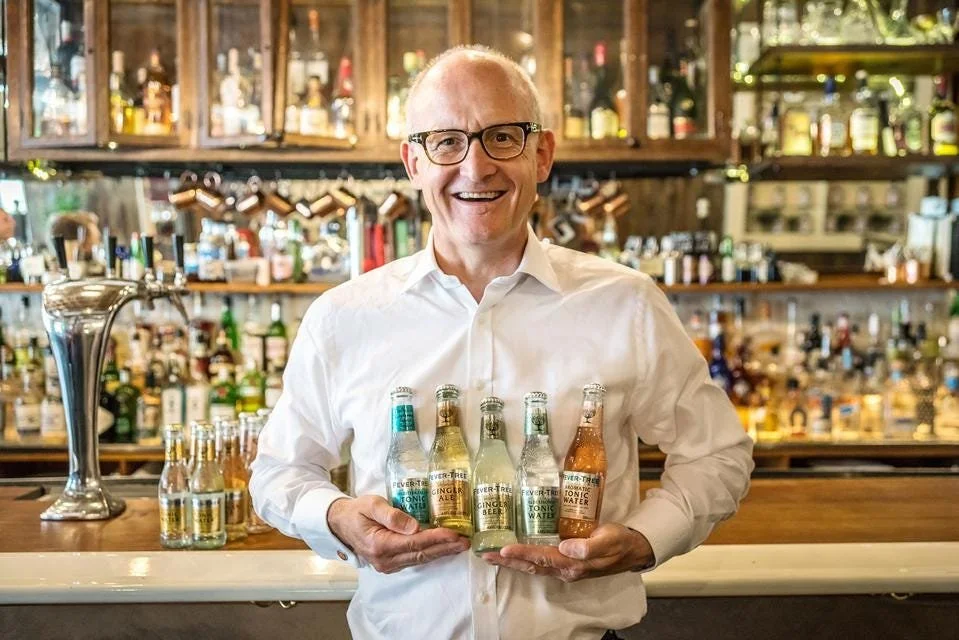
Fever-Tree’s Charles Gibb on The Changing Drink Landscape

Originally published in Forbes.
If Fever-Tree CEO Charles Gibb had his way, he’d get rid of every soda gun in every bar in every city, starting with New York.

“The main causes of health code violations across cities are syrup boxes,” Gibb says, explaining that syrup boxes, often in the basement of bars, are linked to soda guns upstairs. “When was the last time those lines were cleaned? Do you know how some bartenders mix ginger ale? They’ll mix Coke and Sprite, maybe add some ginger bitters or syrup.”
While his company, the high-end mixer Fever-Tree, which comes in a range of flavors from Mediterranean tonic to spicy ginger ale, would definitely benefit from bars ditching their soda guns, Gibb argues that every smart consumer should demand nothing less. (To get a sense of the Fever-Tree ethos, New Yorkers can stop by Bryant Park’s Porch, the brand’s first dedicated standalone bar, which opened last month.)
“I spent 27 years in the wine and spirits industry, and a lot of the time, I was frustrated because these delicious, stunning spirits created by master distillers and master blenders were destroyed before the consumers even got their drink,” Gibb says.
“Think about it: A master distiller will select their grains from the best they can find,” Gibb says, describing a typical distilling process. Around the world, spirits are carefully crafted by expert teams; liquid will sometimes rest in hand-selected barrels before ending up in a bottle. “Sometimes, [a master distiller] will even put their name on a gorgeous bottle. And then, in the last 30 seconds before you or I get to drink it, that spirit is completely destroyed by an injection of artificial ingredients.”
Gibb gestures towards his drink, Woodford Reserve bourbon topped with Fever-Tree ginger ale. “As much care, dedication and thought has gone into the creation of this mixer as went into the creation of that spirit,” he says. “I want people to realize that if they are spending all this money on this spirit, then they should make sure the mixer is as good.”
Fever-Tree, which uses natural ingredients, such as real ginger, is poised to benefit from bars taking more care with their drinks experience, especially when cocktails in high-end bars can cost around $16 or more.

“What is the most ordered drink in the whole world? In any bar, in any part of the world?,” Gibb asks. “The most ordered drink in the world is: ‘Same again.’” But if consumers are given bad drinks, they won’t reorder, and they may not come back, he argues.
Given the competitive nature of the bar world in New York and other cities, he argues that it makes sense for bars to step up by offering the Fever-Tree products.
“If you’re charging $16 for a cocktail, why shouldn’t the consumer be out there demanding a better mixer?” he says.