
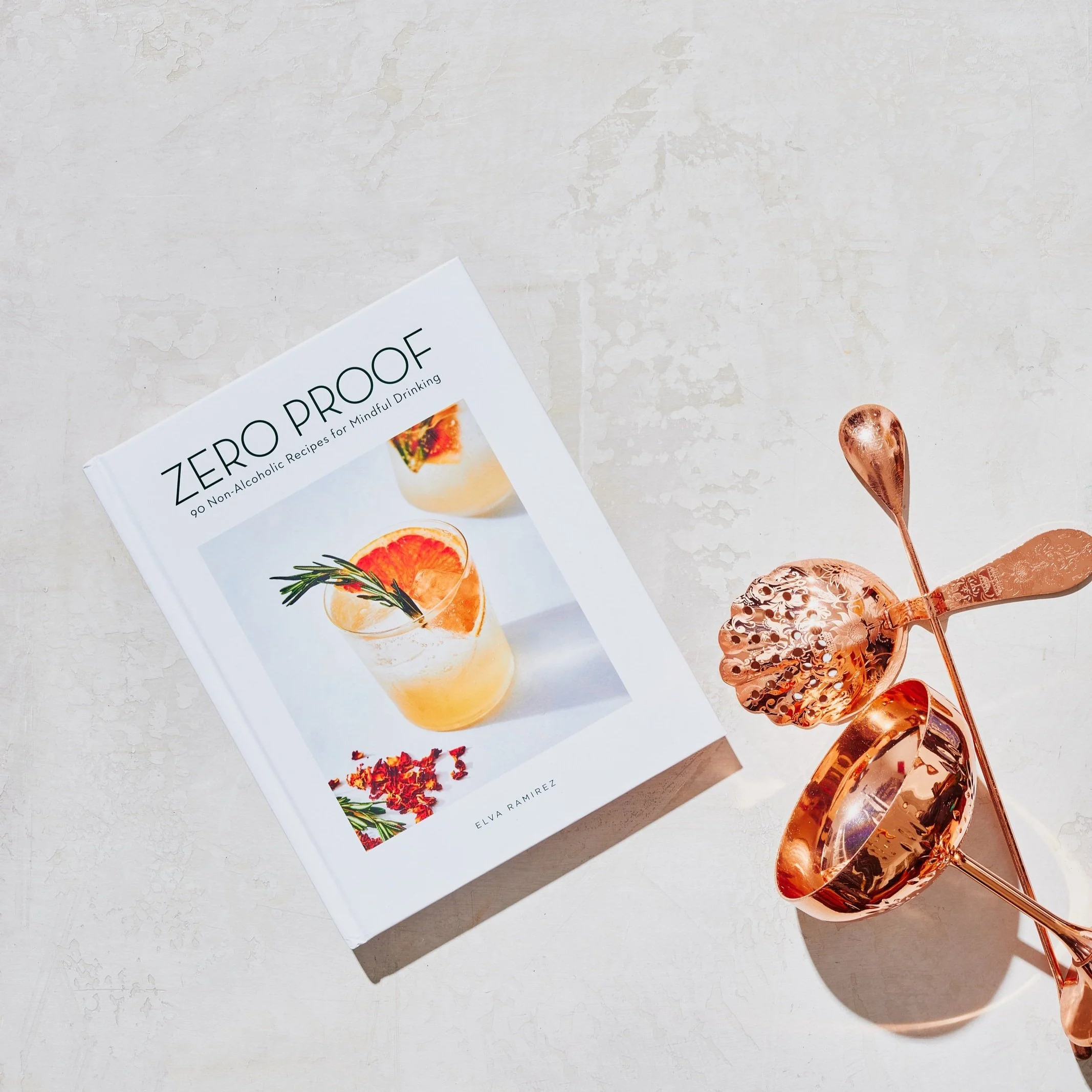
Zero Proof Is One of Publishers Weekly 'Best Books of 2021'

"What's your favorite season?" "Awards."
So! In a bit of *major* news, the kind people at Publishers Weekly have named Zero Proof as one of Best Books of 2021 (!!!). Zero Proof is just one of five books in the lifestyle section, sitting alongside Sam Sifton's New York Times No-Recipe Cooking book (*casual flex*). Zero Proof is also the only cocktail- and drinks-focused book on this list of 150 titles.
The editors write: "Ramirez, a former producer and reporter for the Wall Street Journal, offers a (non)spirited case for imbibing without alcohol, with help from some of the world’s best bartenders, in her fantastic debut.
Prefaced with a condensed history of how 'colonial Americans wove drinking into the fabric of socializing,' the recipes presented are part of the recent movement to normalize sobriety by applying the same care and craft to nonalcoholic beverages that’s given to boozy cocktails (to start: 86 the term mocktail)."
Thank you so very much to Publishers Weekly. And again, warmest thanks to the team (Justin, Leigh, Susan, Robert, Mallory, Maeve among others) who brought this vision to life, as well as all my bartender friends who contributed recipes and thoughtful interviews.

Zero Proof Press: The Colin McEnroe Show

"Alcohol is bad for us. So why have humans been drinking it for thousands of years?"
The topic of the Oct. 18 episode of the Colin McEnroe Show, a Connecticut Public Radio/ WNPR broadcast, looks at the long history of drinks and drunkenness, the rise of sobriety movements and the white-hot zero-proof cocktail space.
I join Colin at circa minute 36 to discuss whether mocktail is a bad word, why the alt-spirits space owes a debt to the vegan and gluten-free movement and what to expect next (hello, alt-Campari).
Check it out. Thank you to Colin and producer Lily Tyson.
It's a great episode, and I recommend listening to the whole thing. Also, maybe I speak too fast sometimes?
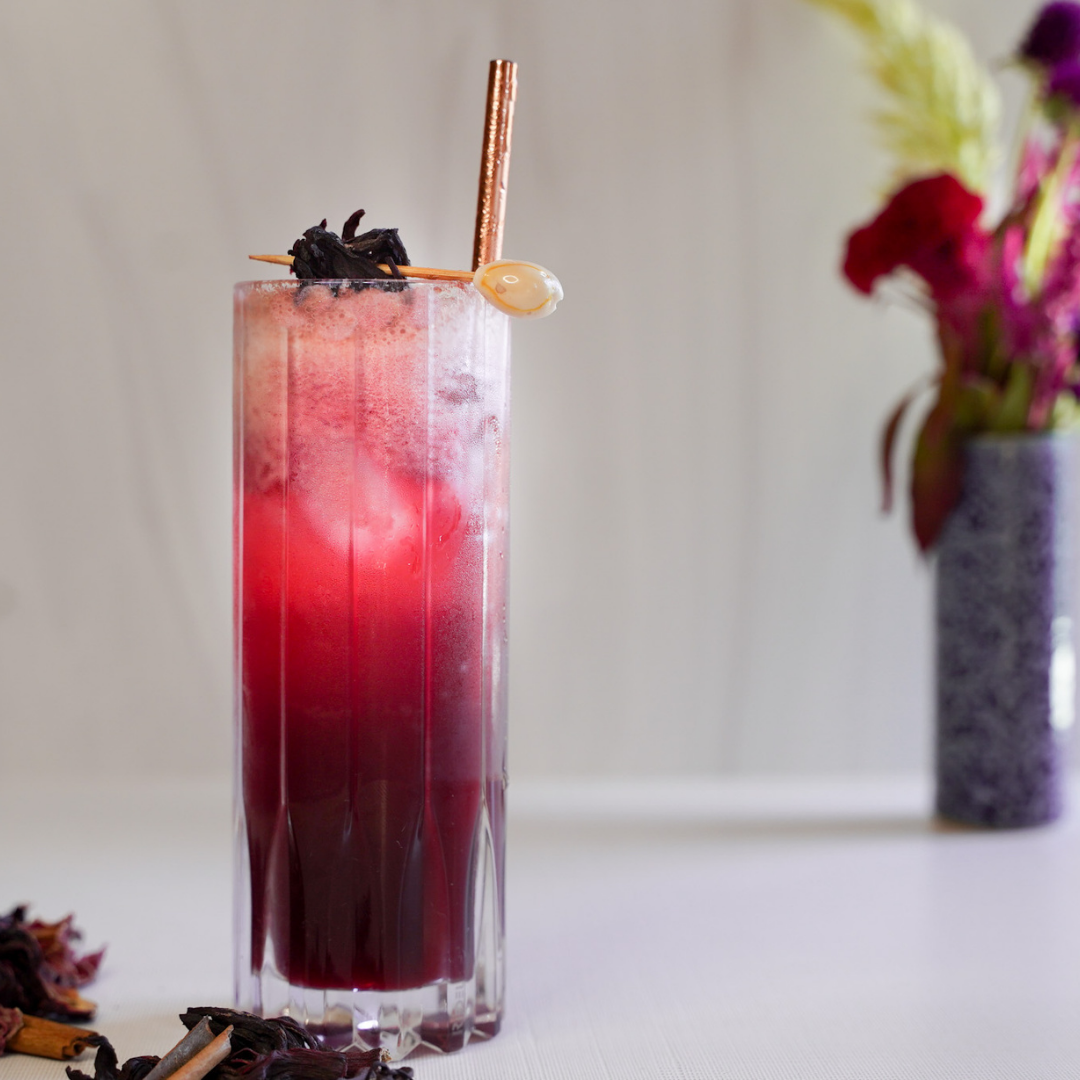
Zero Proof Recipe: Hibiscus Cooler

A touch of bitterness is balanced by a bright cordial that has warm hints of autumnal crispness.
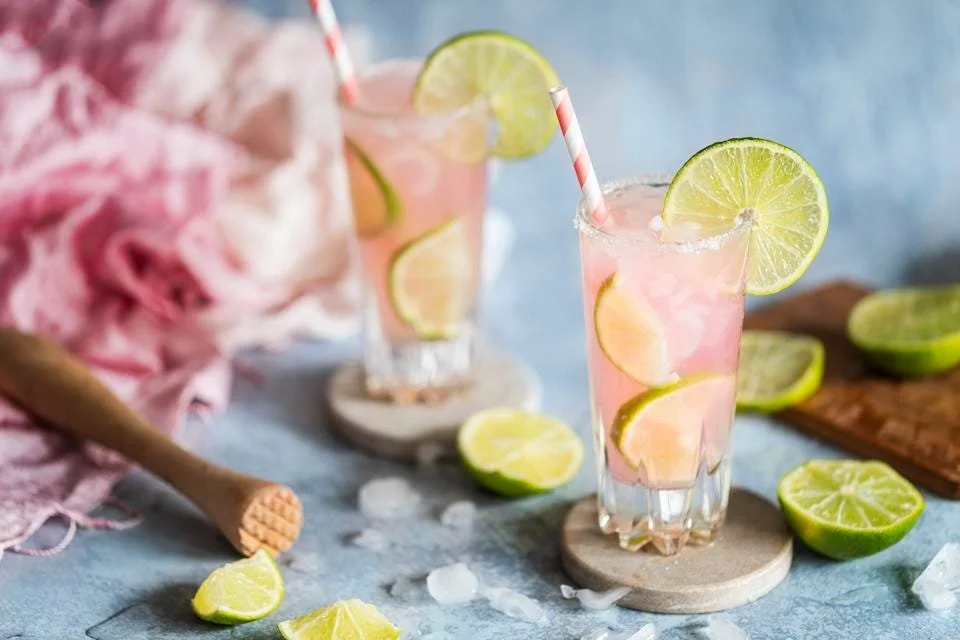
The second Pom Wonderful drink I designed features a gorgeous homemade pomegranate-hibiscus cordial that has a pucker of acidity and an infusion of lipstick red tones.
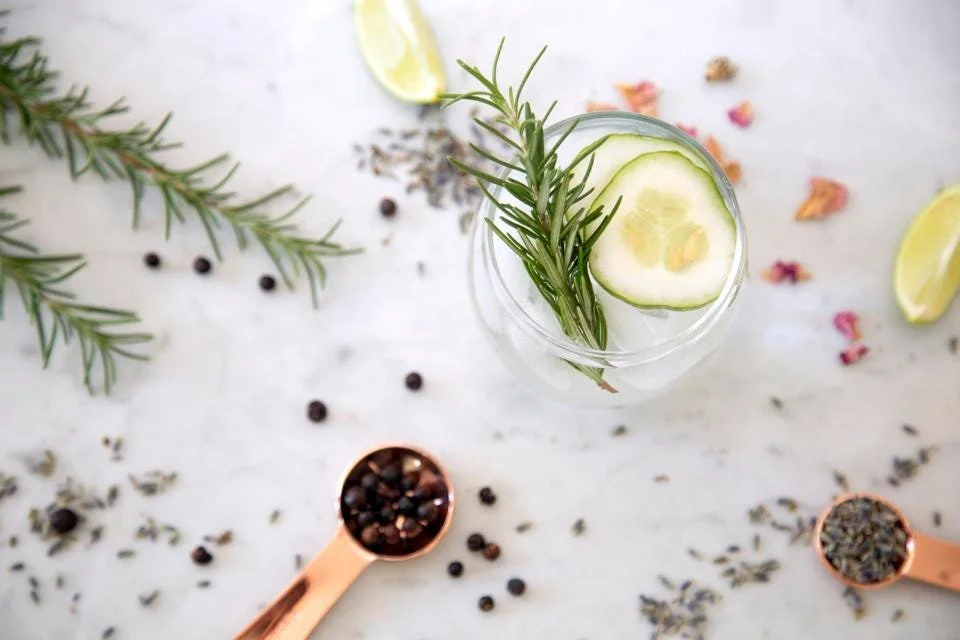
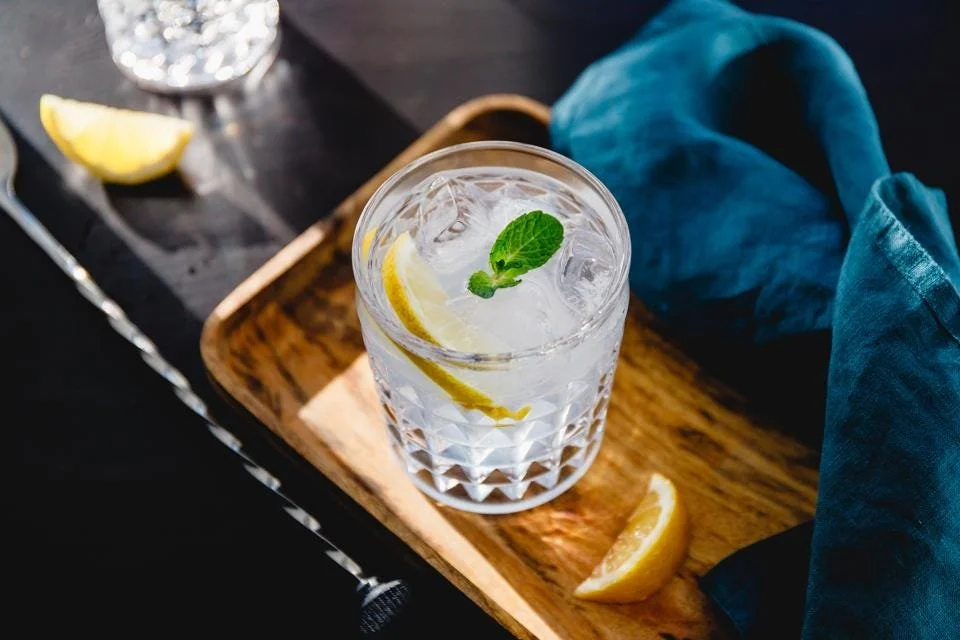
Fragrant and complex, this drink has the charm of a well-made gin & tonic, sans the juniper of the gin. Swipe through to see the recipe.
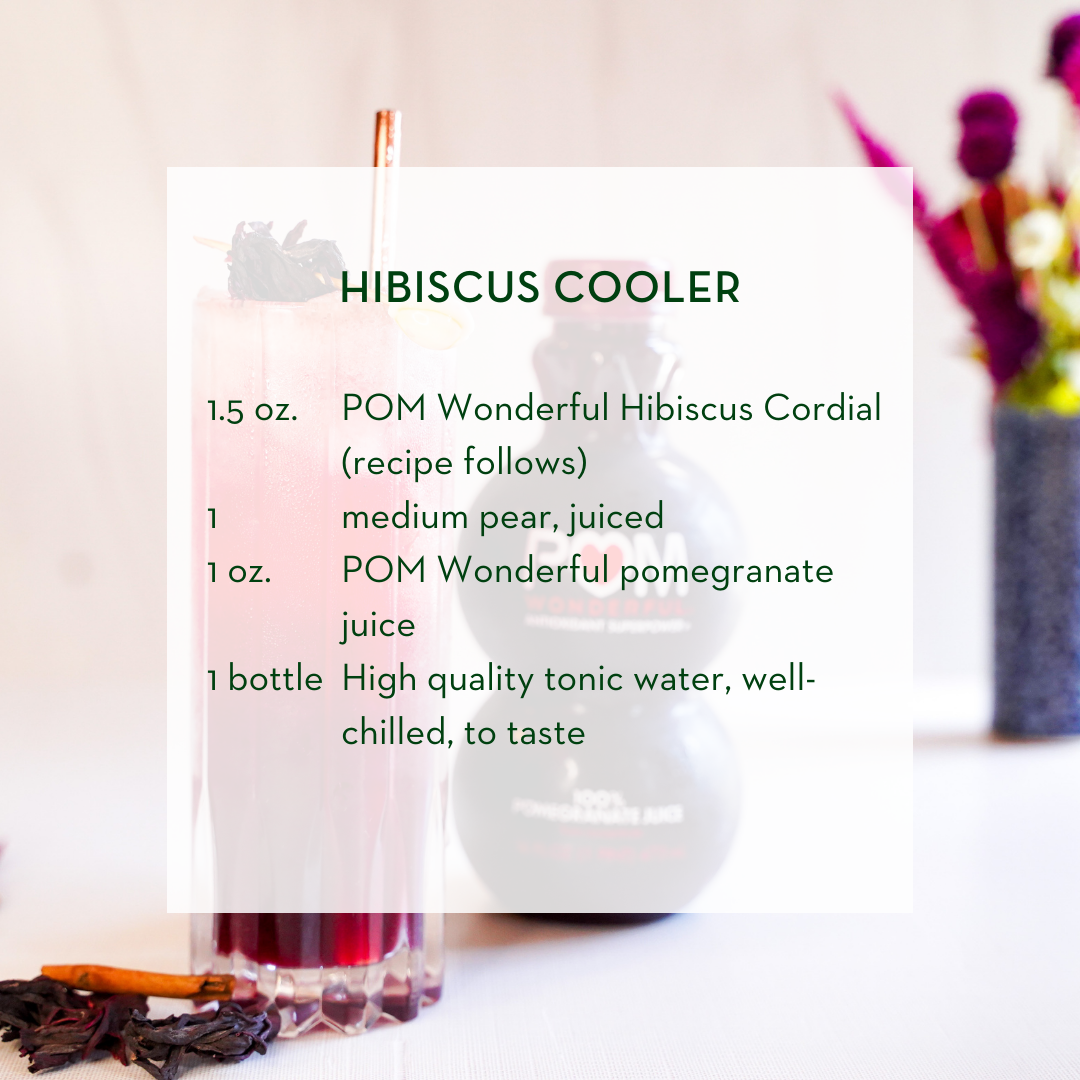
In a Collins glass filled with ice, combine Cordial, pear and pomegranate juices. Give a quick stir to combine.
Top with chilled tonic a little at a time, so as not to overwhelm the flavors.
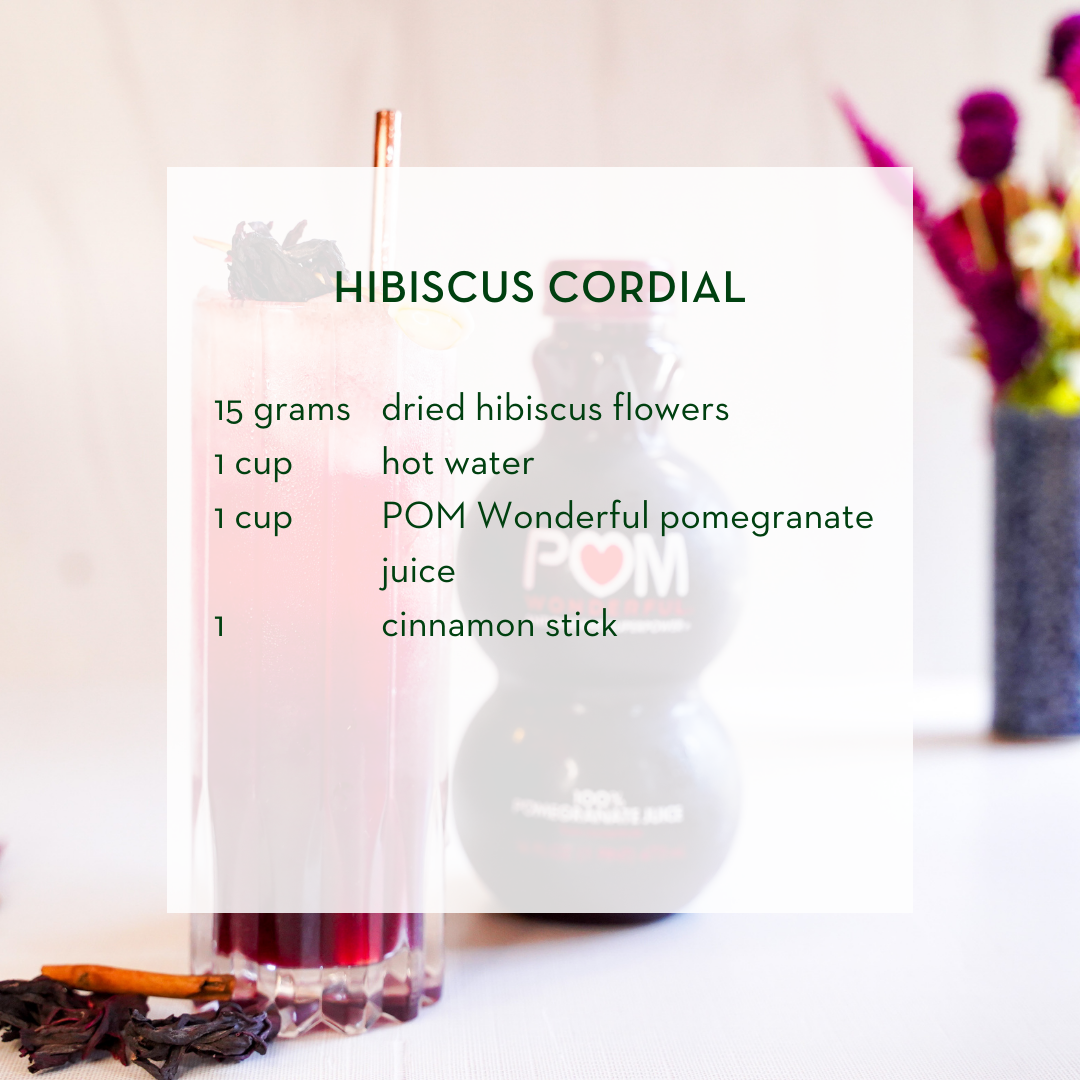
In a medium saucepan, bring water to a gentle boil. In a mason jar or plastic bag, combine Cordial ingredients. Seal and gently cook in a water bath (sous vide) for two hours.
Remove from heat, let cool and strain away solids.
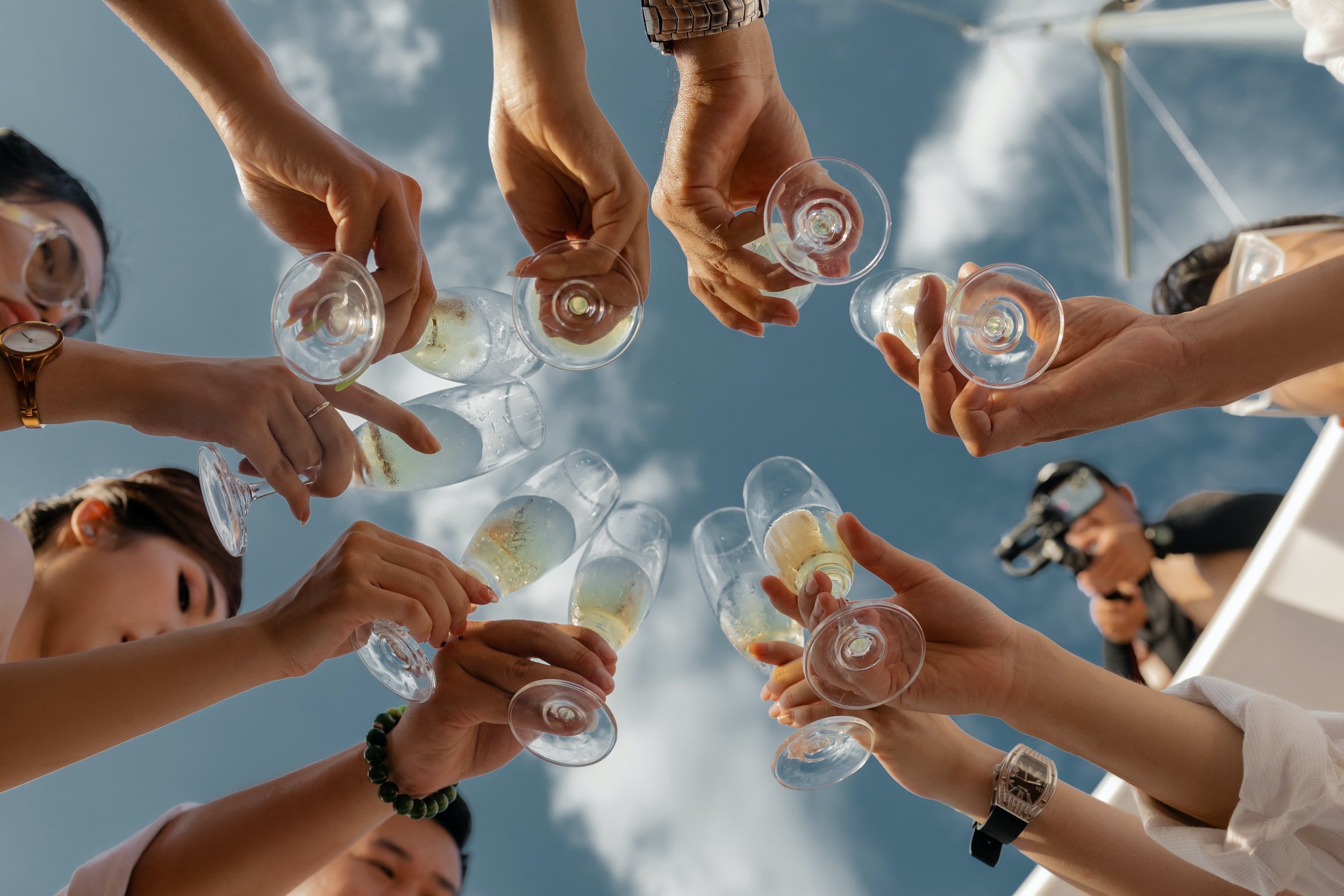
How to Bring the Zero Proof Vibes to Any Party
Originally published in Drink Monday blog.
Let’s just acknowledge the truth: Social culture is drinking culture. Across countries, cities, age groups, people like to drink socially. It’s built into the fabric of what it means to socialize, from friend catch-ups to first dates to co-worker bonding.
Which is why it’s so hard for non-drinkers or moderates to take a step back without feeling like outsiders. Many people who don’t like to drink will do a “reverse Prohibition,” and slyly ask bartenders to make them drinks that look boozy but are in fact zero proof.
But just as the nut milk and plant-based faux-meat craze is supported by people who also indulge in dairy and the occasional burger, the zero proof trend is also fueled by moderate drinkers that switch between non-alcoholic drinks as often as traditional boozy cocktails. According to recent data, around 60% of drinkers will switch between zero proof drinks and full proof drinks when socializing.
As Sober October kicks off, it’s easy to plan for a season of responsible partying with a dash of Bring Your Own Vibe (#byov). Here’s a few tips to incorporate into your social swirl:
Practice one-on, one-off drinking. Switch up between zero-proof drinks and boozy drinks. The majority of people aren’t actively trying to get tipsy -- they just want to be out with friends. So keep the party going by keeping a drink in hand, and try to make it a zero-proof sip throughout most of the night.
If you’re going to do shots, make them zero-proof. The fun of doing shots with friends is the ritual of a group action; that’s why the idea of shots persists. It’s about bonding first, alcohol second. Rather than introducing extra liquor quickly, switch up those boozy shots (and keep them at less than one ounce) with a quality zero proof alt-gin. All the fun, none of the regrets. Another option, borrowed from the bar world: Make a full size zero-proof drink, then break it up into tiny “shots”. You’ll still get that kick of flavor but in a sip-size amount, perfect for a round of toasts.
Keep the focus on the party, not the booze. Bringing a vibe is more than just about drinking, it’s about ambiance. (Notice how many top bars have meticulous playlists?) Design several party playlists and keep them on hand for the different moods of the night. Who doesn’t love a sing-along? When everyone’s singing and having a great time, it’s about the night, not about who’s drinking what.
Celebrate bonding, not drinking. People love parties and going to bars not only for the liquor. They go for the full experience, from gorgeous glassware to dark, sexy rooms to great music. If you’re planning to throw a #BYOV event or bring that spirit somewhere else, borrow at least one thing from your favorite past events, whether it’s spending an indulgent amount of money on fresh flowers, lighting rooms only with candles, only serving drinks in vintage glasses that you picked up at the secondhand store or dressing up rooms in social media-ready scenes.
People want vibes, and it’s easy to deliver, provided you put just a little bit of planning into it.
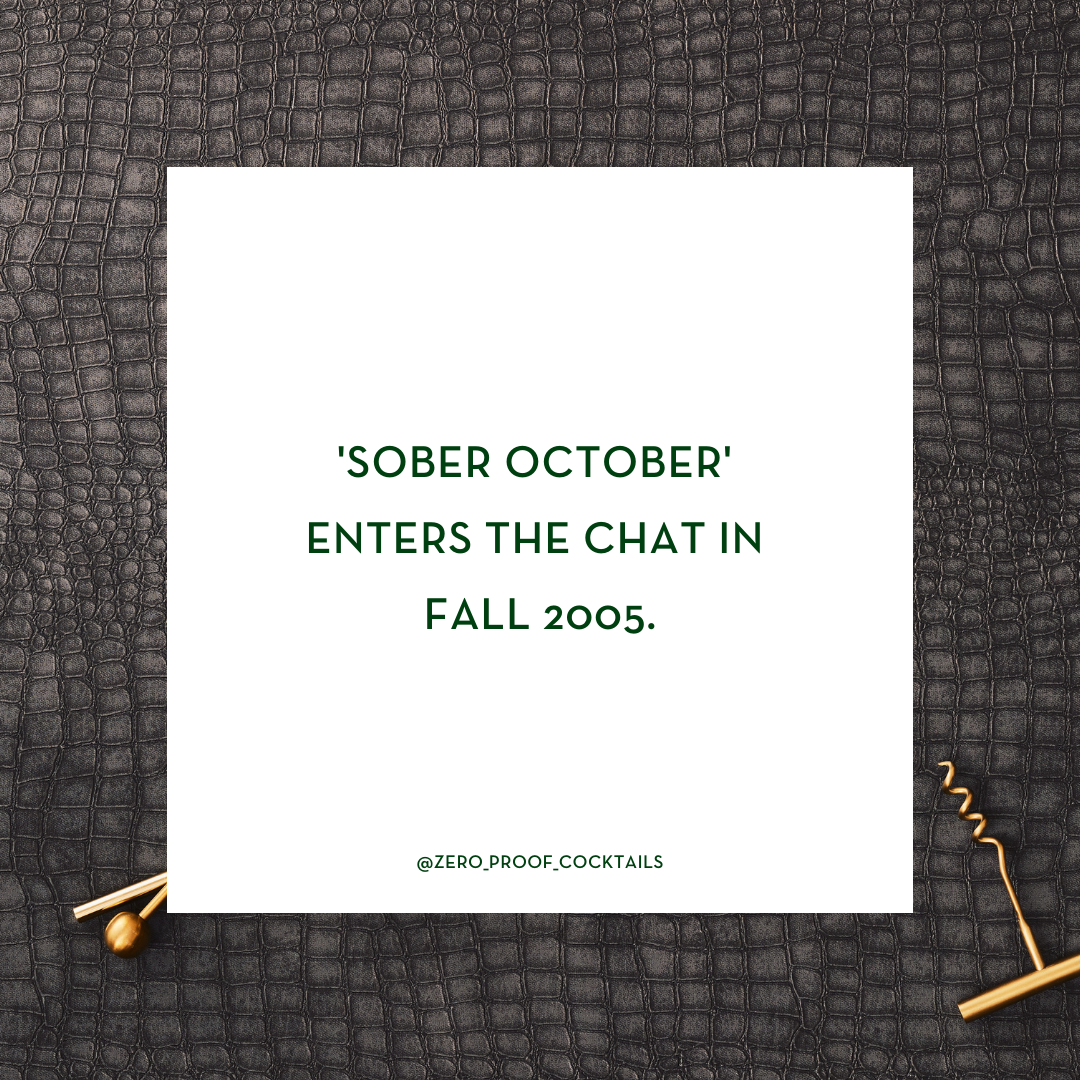
Sober October Enters the Chat in 2005

Sure, working out is hard. But have you tried not drinking for a month?
According to Factiva, a database of over 33,000 newspapers, blogs and other publications, the earliest mention of 'Sober October' as a non-drinking holiday appears in the LA Times in Dec. 2005.
The story (summarized more in Stories) profiles a few fitness buffs who tried to give up drinking that previous Oct.
The Times' Jeannine Stein wrote: "Skipping alcohol boosts workouts, the instructor vowed. But few counted on the peer pressure."
"It was really hard," says participant Lala Alvarez. "I told people I was laying off the alcohol, and there was this pressure -- 'Have a drink with us! This drink tastes fantastic!' I'm like, stop it."
Stein hits on themes we all recognize: the startling amount of peer pressure ("One friend was so perturbed by her lack of alcohol that she had to hold a glass of wine in her hand to make him feel comfortable.") as well as the benefits (". . . found it gave him more confidence, improved his memory and boosted his energy").
Stein's article was published on Dec. 12, 2005. It is later re-published in the Toronto Star, the Kitchener-Waterloo Record, the Cincinnati Post and the South Florida Sun-Sentinel.
In 2008, the phrase returns as charity groups, moving on the popularity of 'Movember' ask people to give up booze for 'Ocsober.'

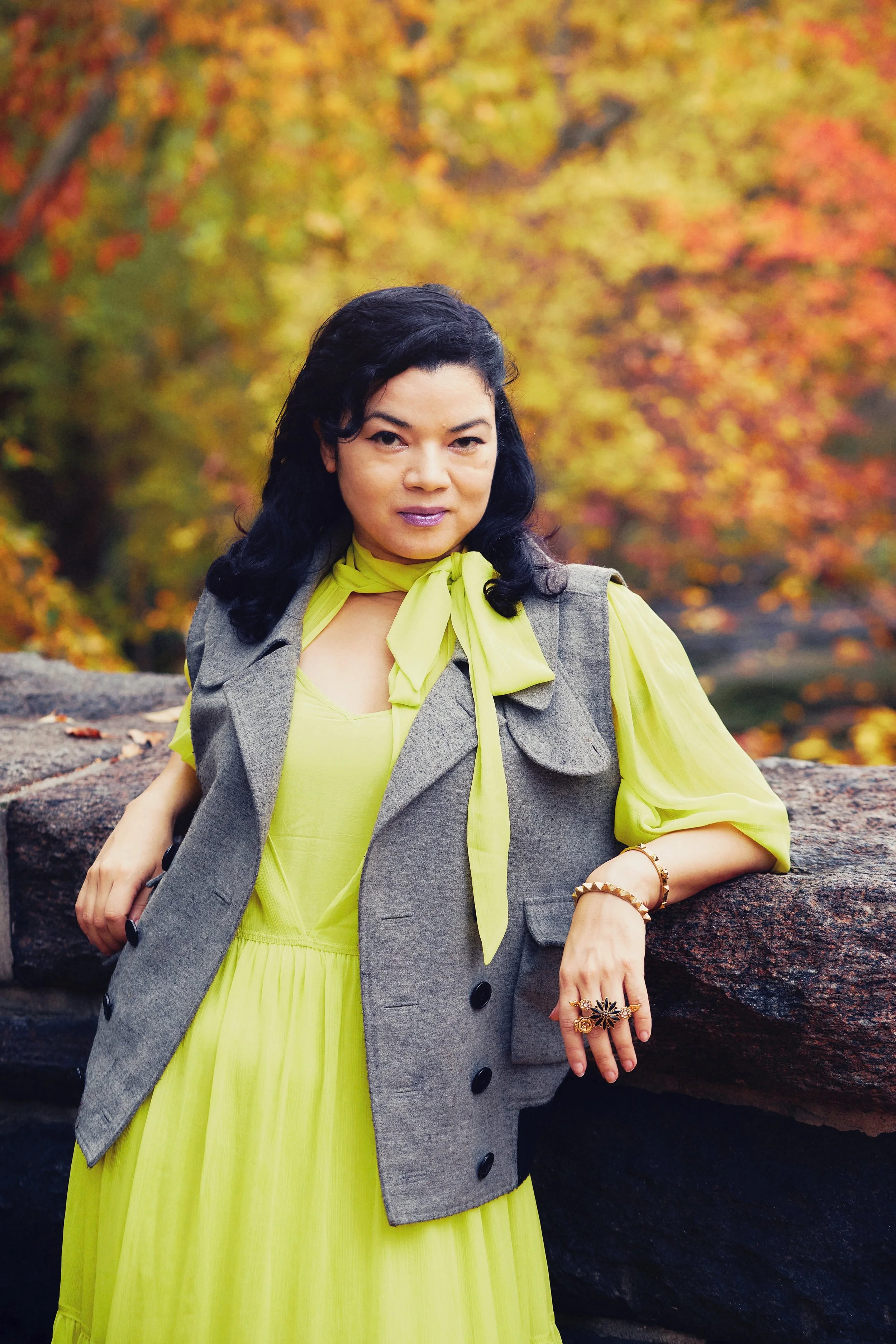
Drink Monday Q&A: Elva Ramirez, Author of 'Zero Proof'
Originally published in Drink Monday blog.
After so many years with the Wall Street Journal, you’ve tackled a wide range of topics. How did writing “Zero Proof” come about?
An interview led to an article, which led to a book.
In early 2018, the press people from Seedlip reached out and said, “Hey, why don’t you meet Seedlip founder, Ben Branson for lunch? No pressure. Just talk to him.” So I met Ben for lunch, and found him very charming and erudite. We chatted for a very long time. I realized there was a story there, so I interviewed some bartender friends about no-proof drinks.
I published an article about the trend in March 2018. Fast forward to Sept. 2018: A book editor friend emailed me out of the blue. He said he was looking for book proposals on the zero proof movement and that my article came up when he Googled. We’d known each other for years by then, so he suggested I get an agent and submit a proposal.
In November, I got an agent. In December, I started on the proposal. January, I finished it. February: turned it in. March 2019: had a book deal with HMH. And then I was off to get it done.
You use the phrase “mindful drinking” as opposed to words like “sobriety” when covering the subject. What does that phrase mean?
Mindful drinking is just that, being mindful, or aware, of what you’re drinking. It means being intentional about how, when and what you choose to drink, regardless of what’s in the drink.
I still drink alcohol, but I do so very moderately. The momentum behind the zero-proof movement is led by moderate, or mindful, drinkers. This means people who still drink liquor but just as often choose to have alt-spirits, in the same way that people will have oat milk with their morning coffee but still enjoy dairy ice cream as well. It’s about balance, and having choices.
Mindful drinking encompasses people who drink sometimes as well as people who choose to never drink at all.
Is “mocktail” a bad word?
As someone steeped in hospitality culture, I aim to educate, not reproach. If someone is comfortable saying “mocktails,” that’s totally ok. That’s what they like. I will never tell someone they can’t use “mocktail.”
It’s not the phrase I’d choose, however. Just like there is “disco” and then there is “dance music”, mocktail represents a particular historical era with certain production values. It represents an old-fashioned take on the non-alcoholic drink. “Zero proof” is a contemporary name for today’s style of drinks.
While much of this movement feels new and fresh, your book “Zero Proof” offers a historical look at the roots of temperance. What is the precedent for the current non-alcoholic cocktail movement?
Even before America was America, people drank too much, while also worrying about drinking too much. This anxiety about “drinking too much, then taking a step back, and then drinking too much” goes back to the earliest days of the colonies.
What we’re seeing now, in the post-pandemic world, as people try to figure out how and when to drink is just a modern version of the same anxiety.
It’s the same song. The lyrics have changed, but the music stays the same. Now it’s tied up in wellness and health, but it’s not much different from the earliest temperance days.
What defines the contemporary zero proof drink?
There is only one distinction between a zero proof cocktail and a traditional cocktail. One has liquor, and the other doesn’t.
Besides that, both drinks are made with care, with quality ingredients like bitters, teas and fresh juices. Both drinks are served in gorgeous glassware that feels good in your hand. Both drinks represent where craft cocktail culture is today.
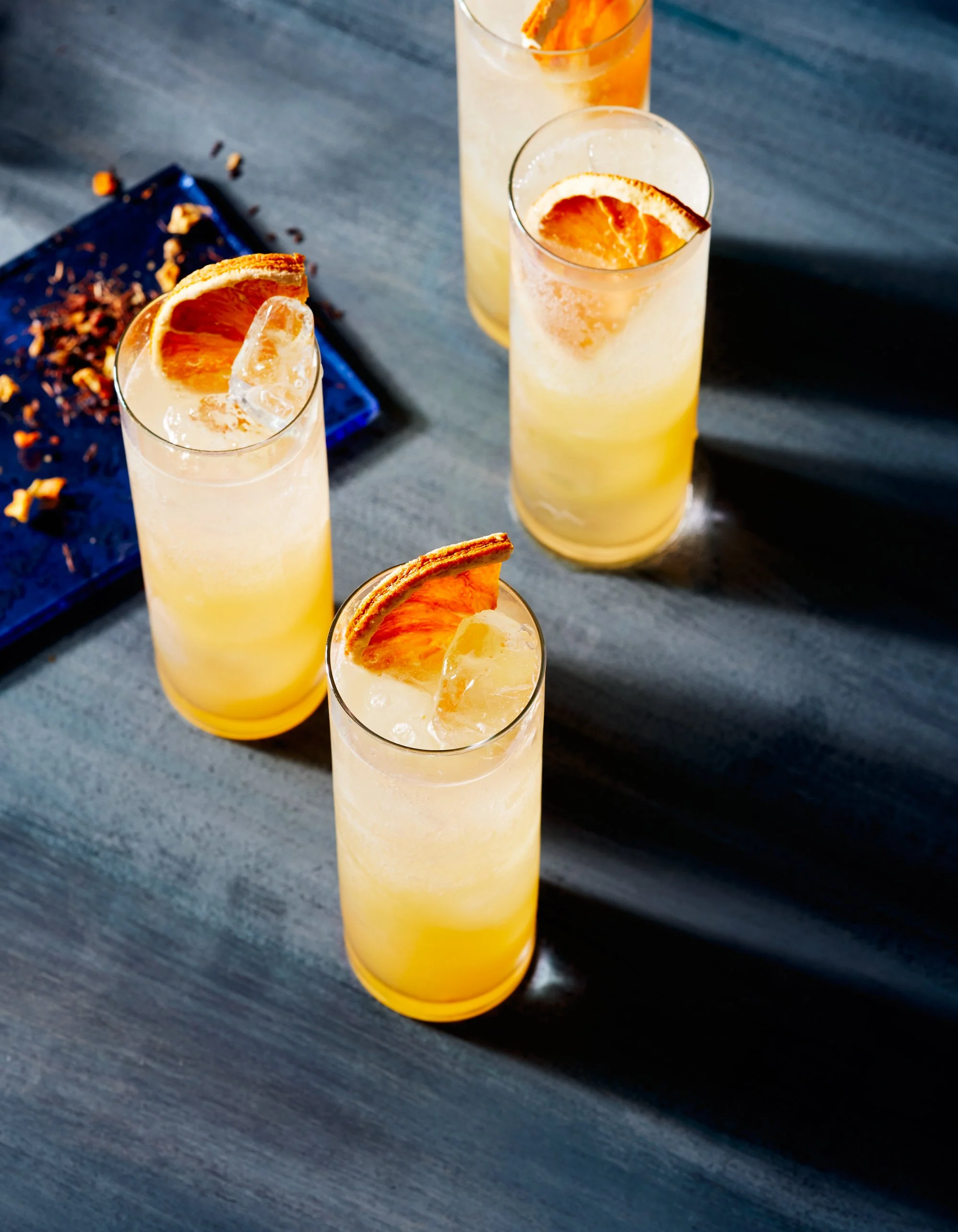
A proper non-alcoholic drink is visually indistinguishable from its boozy counterpart. You shouldn’t be able to tell from across a room who is holding what kind of drink.
A zero proof drink treats the consumer with respect. That means quality ingredients, great glassware, and thoughtful garnishes.
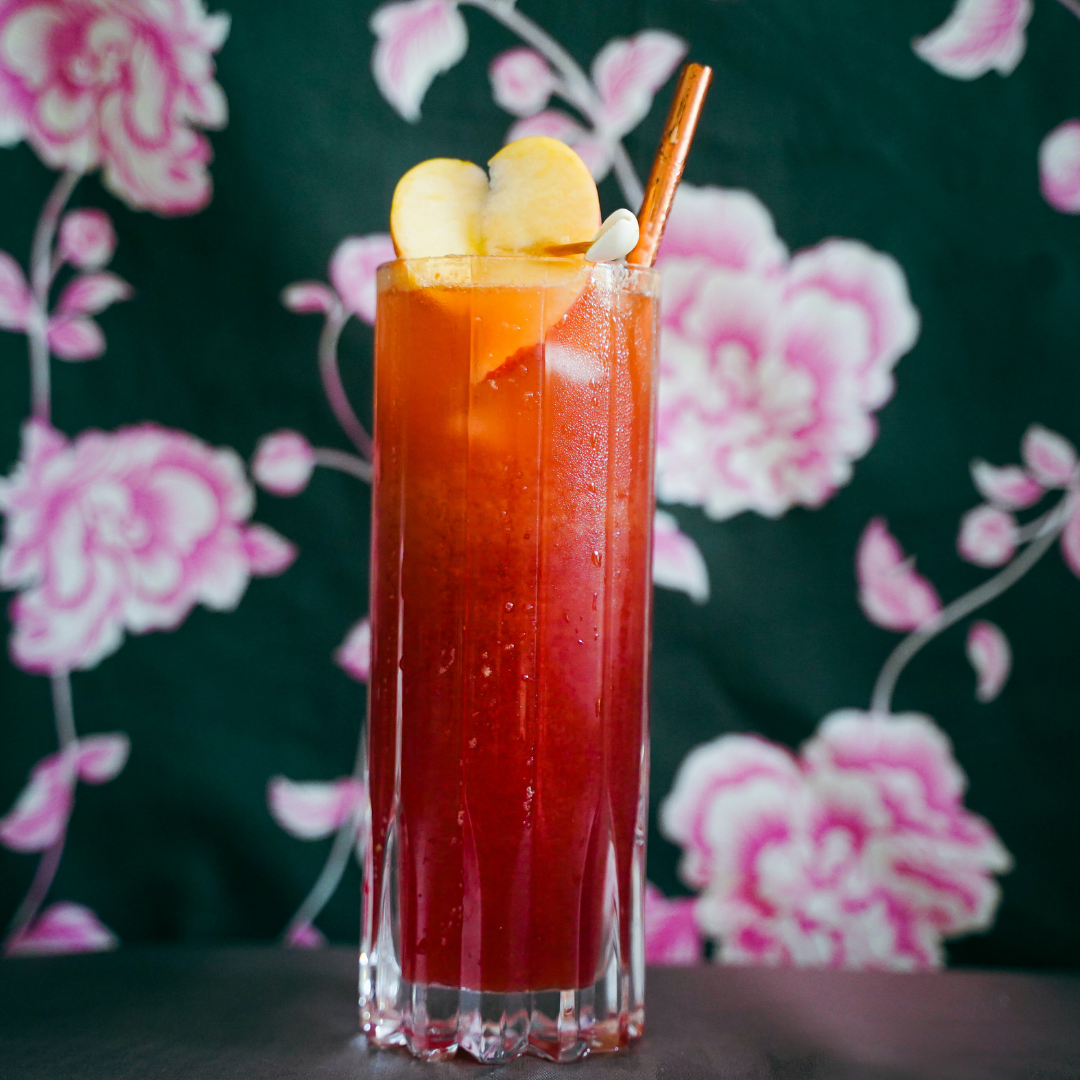
Zero Proof Recipe: Autumn Tonic

Wait all year for it to be autumn. Recently, I created some original cocktails at the request of the lovely POM Wonderful pomegranate juice.
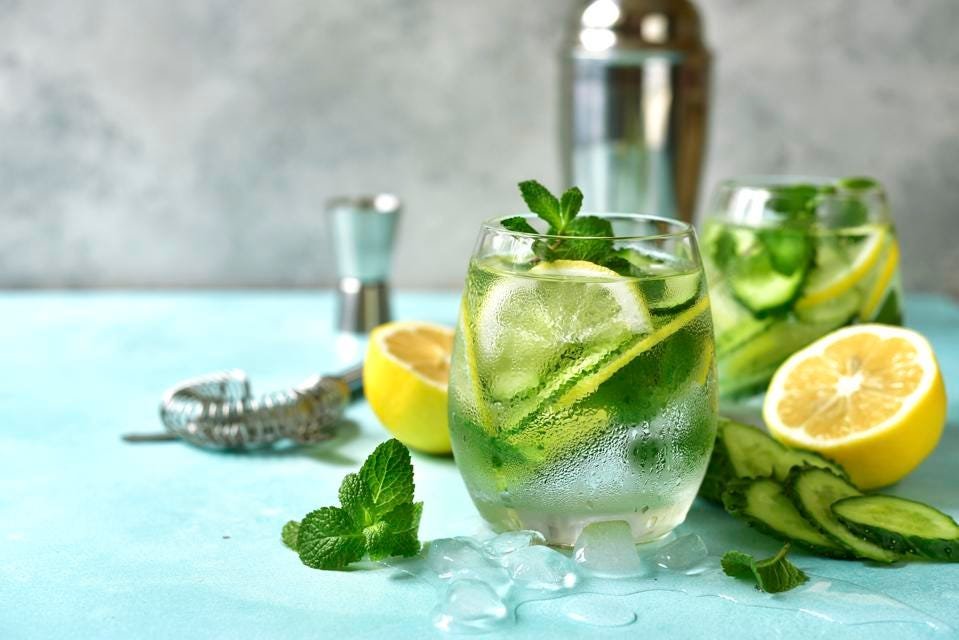
This quenching seasonal drink has a sprightly sweetness that is tapered by the bitterness of the tonic. The cayenne pepper at the end introduces a surprise savory finish with a lingering soft heat.
Pair this drink with flatbread crackers and a spicy jam, or a kale salad tossed with pomegranate arils and roasted pistachios.
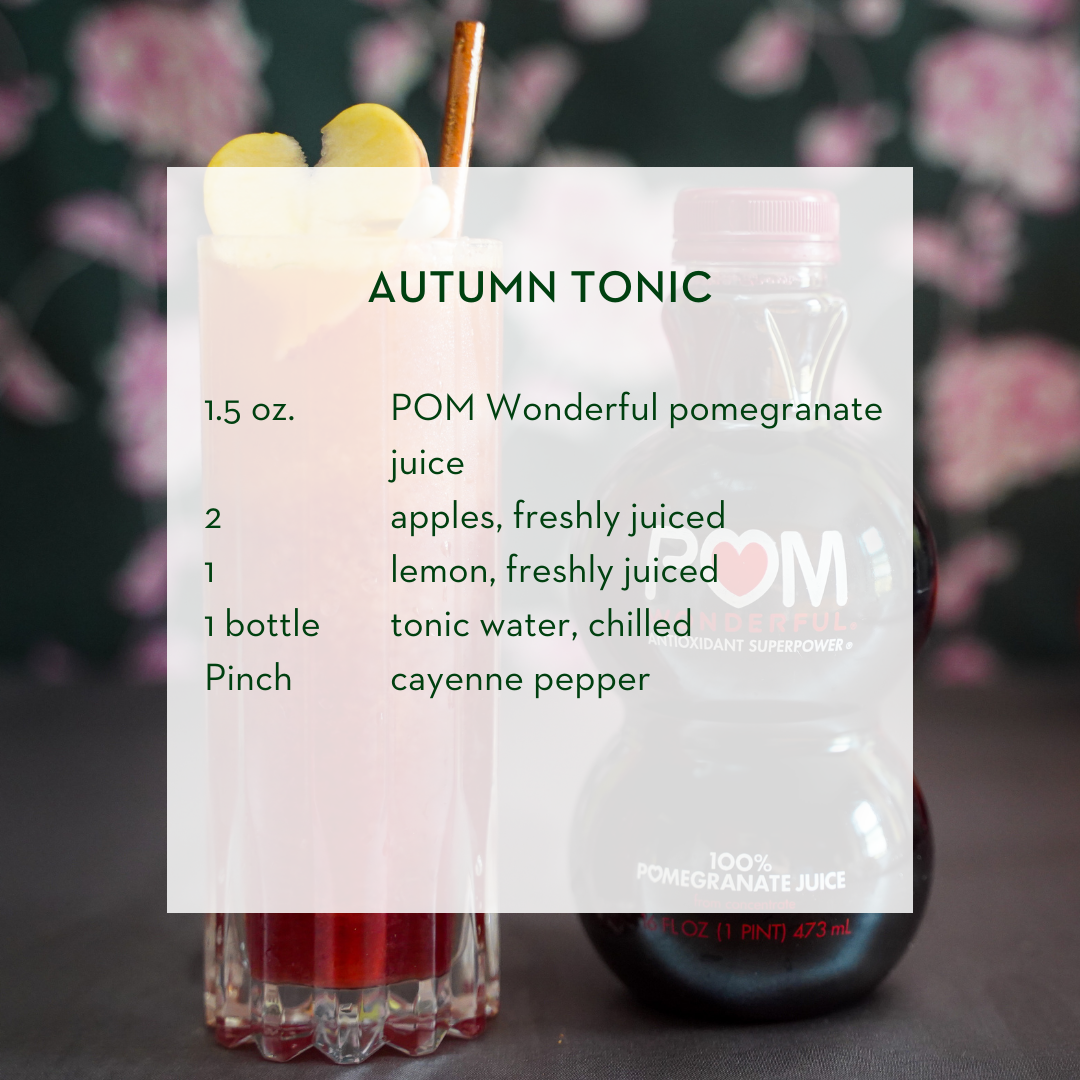
In a highball glass filled with ice, add the three juices and stir briskly. Slowly top with chilled tonic water.
Dust with a pinch of cayenne pepper.

Five Reasons Why Mindful Drinking Helps With Better Health
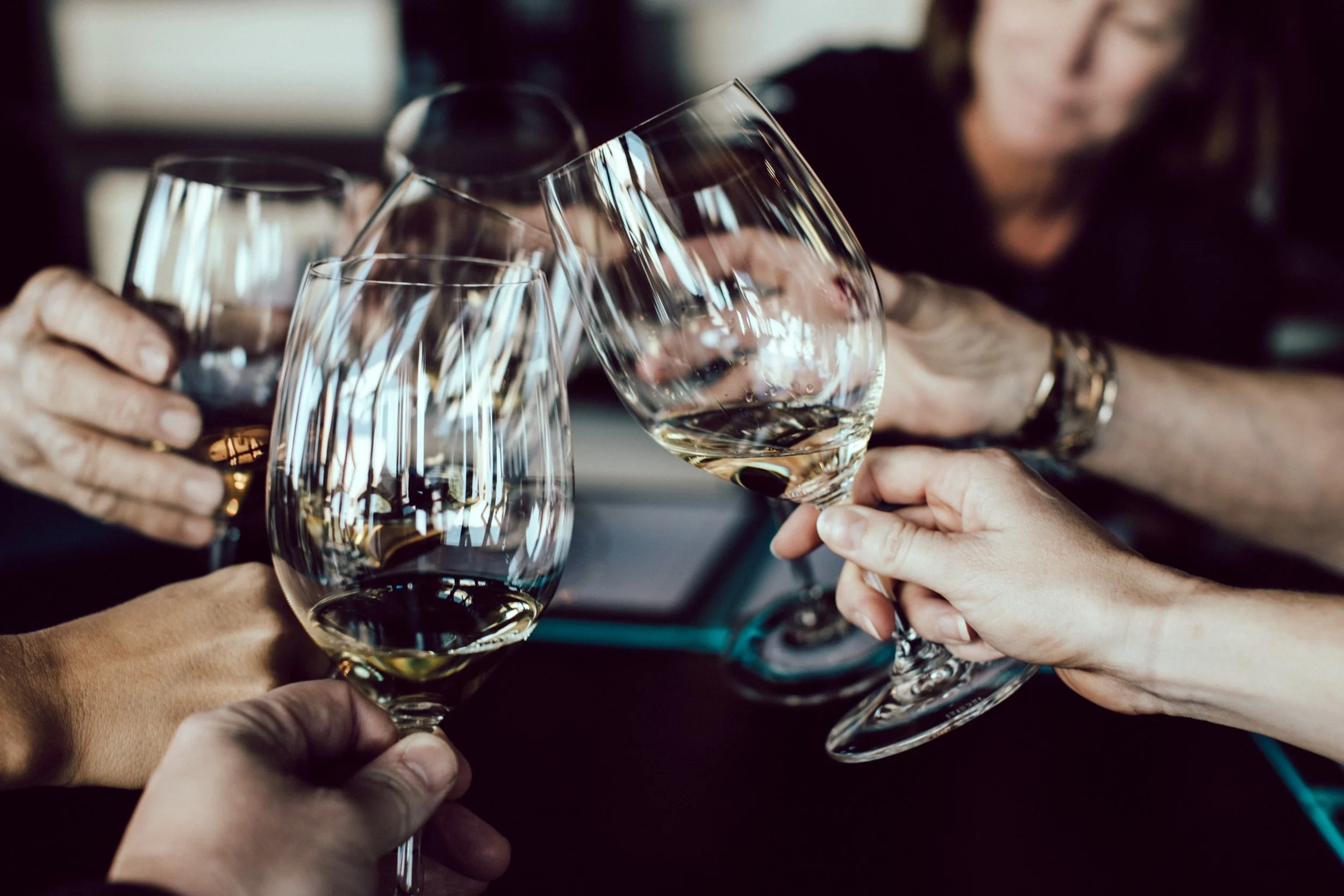
We’ve all done it. We wake up after a night of boozy shenanigans with a growing sense of dread. Was there an ill-conceived text sent out? Was there a rambling nonsense fight that would never have happened if everyone wasn’t drunk? Are you nursing a crushing migraine and painful nausea that might last an entire day?
If you’ve ever had more than a handful of drinks in one night, then the answer to at least one of the questions above is “Oh, god, yes.” What’s also common is a sense of dread and guilt as you come to terms with the consequences of bad choices.
Thinking about cutting back on liquor or cutting it out altogether? Here are some benefits to drinking less.

Better Sleep, Better Health
Alcohol intake impacts sleeping patterns. It’s true that alcohol might make people sleepy in the short term, but health experts warn that those effects are short-term. Erratic sleeping patterns, including insomnia, are more likely to occur as a result of regular drinking. Drinking less alcohol will lead to better, deeper sleep, which in turn leads to overall health and mental clarity.
No Day-After Guilt
As mentioned at the start, there’s nothing quite like the dread of dealing with the consequences of choices you’d never make while sober. Skipping the drinking means staying in control, and waking up refreshed, not guilty.
Two Words: No Hangover
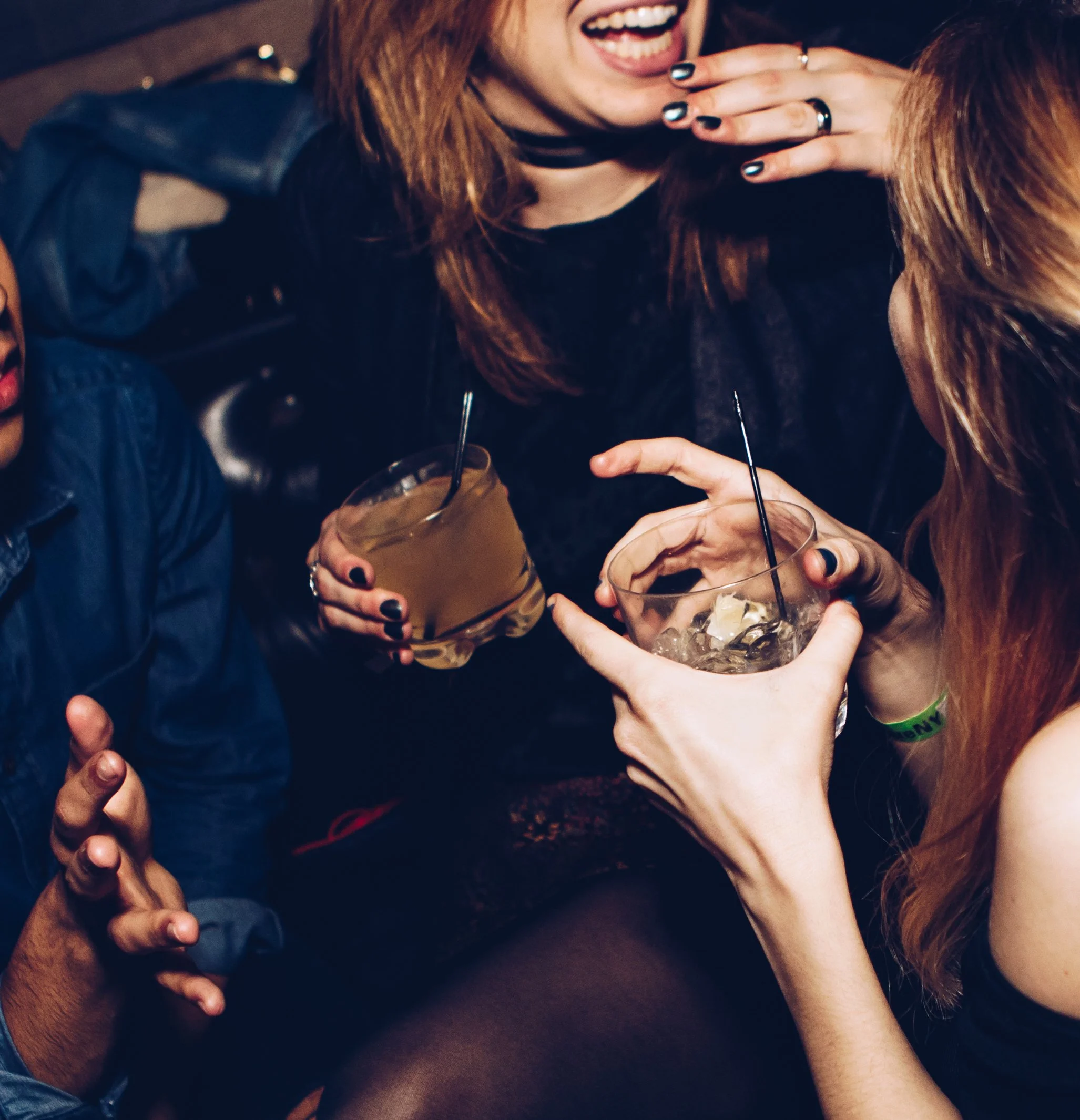
Going fully zero-proof or even switching between zero proof drinks and traditional drinks means that you can still go out and socialize. You can still have pretty drinks in great glassware. The main thing you’re likely to leave behind? Crushing hangovers. Everyone experiences hangovers differently but they are no fun for anyone. The thing about hangovers: They only get worse as you get older.
Glowing Skin
Alcohol use is linked to a range of health impacts. One of the most well-known (and visible) impacts: lackluster complexions. Alcohol dehydrates skin while also causing inflammation. Over time, that adds up to aging skin and discoloration that’s hard to remedy, a nutritionist told Vogue. Experts call alcohol one of the worst offenders when it comes to damaging skin.
Real Moments That You Remember
For many people, drinking too much means hazy or dropped memories the next morning. Going light on the alcohol, or skipping it altogether, means you’ll remember everything that happened while socializing, which is arguably the entire reason we go out in the first place.
After the year we’ve all had, we can’t take anything for granted, especially genuine moments with friends.
The Non-Alcoholic Cocktail Is As Old as Cocktail Culture Itself
People who are suspicious of the zero-proof drink will often sneer at it, and may even suggest that it’s a made-up phenomenon that doesn’t deserve the respect of the bar world itself. Here’s the thing, though: The non-alcoholic drink is as old as cocktail culture itself.
Put another way: The oldest American cocktail books, which are the basis for contemporary bar culture, feature non-alcoholic drink recipes alongside early recipes for mint juleps, whiskey sours and Manhattans.
Whether it’s called a temperance drink or a mocktail or zero-proof, the non-alcoholic drink has been here all along. It’s not an afterthought to boozy drinks. It is a sister category that sits alongside the fizzes, coolers and punches that define the pre-Prohibition cocktail era.
Jerry Thomas’ “Bar-tenders Guide: How to Mix All Kinds of Plain and Fancy Drinks,” published in 1862, is considered by historians to be the first cocktail book as we know it, compiling recipes of the golden age of cocktails. A section, called Temperance Drinks, includes the specs for drinks such as the soda cocktail, orgeat lemonade, Saratoga cooler and milk & seltzer (a precursor of the egg cream).
William “Cocktail” Boothby published his seminal recipe compilation in 1891 in San Francisco. “Cocktail Boothby’s American Bar-Tender” featured nearly 400 recipes for mixing “absinthes, cocktails, coolers, cobblers, crustas, fixes, flips, fizzes, hot drinks, lemonades, punches, sangarees, shakes, toddies, etc,” according to the title page. Boothby’s non-alcoholic drinks are listed in the Lemonades sections, which include variations made with raspberry syrup, orgeat syrup and even raw eggs. (Raw eggs, shaken into drinks with ice and citrus, are often found in early cocktail recipes; when emulsified, they lend drinks a frothy, silky texture.)
“Stuart’s Fancy Drinks and How to Mix Them,” published in New York in 1896 by Thomas Stuart, also features a Temperance Drinks section, with lemonade riffs as well as orangeade, soda nectars and sherbets, which appear to be the early ancestors of today’s fizzy flavored soft drinks.
That temperance drinks were given space within the pages of early cocktail titles points to their presence at bars from the start. To be sure, this was a smaller section of recipes, as opposed to say, the multiple punch and sling recipes. But that the non-alcoholic drink was included in early books illustrates two points: The non-alcoholic drink was requested enough at turn-of-the-century bars that professional barmen needed to know several popular recipes; and Thomas, Boothby, and Stuart, as the foremost mixologists of their era, afforded temperance drinks respect by including them in their recipe compilations from the very beginning.
While the road to respect is still long for the non-alcoholic drink, it clearly emerged during the golden age of cocktails. The zero-proof drink has the same historic bona fides as the martinis, Manhattans and juleps that have come to symbolize pre-Prohibition authenticity.
It’s time to give the zero-proof cocktail the respect it deserves.
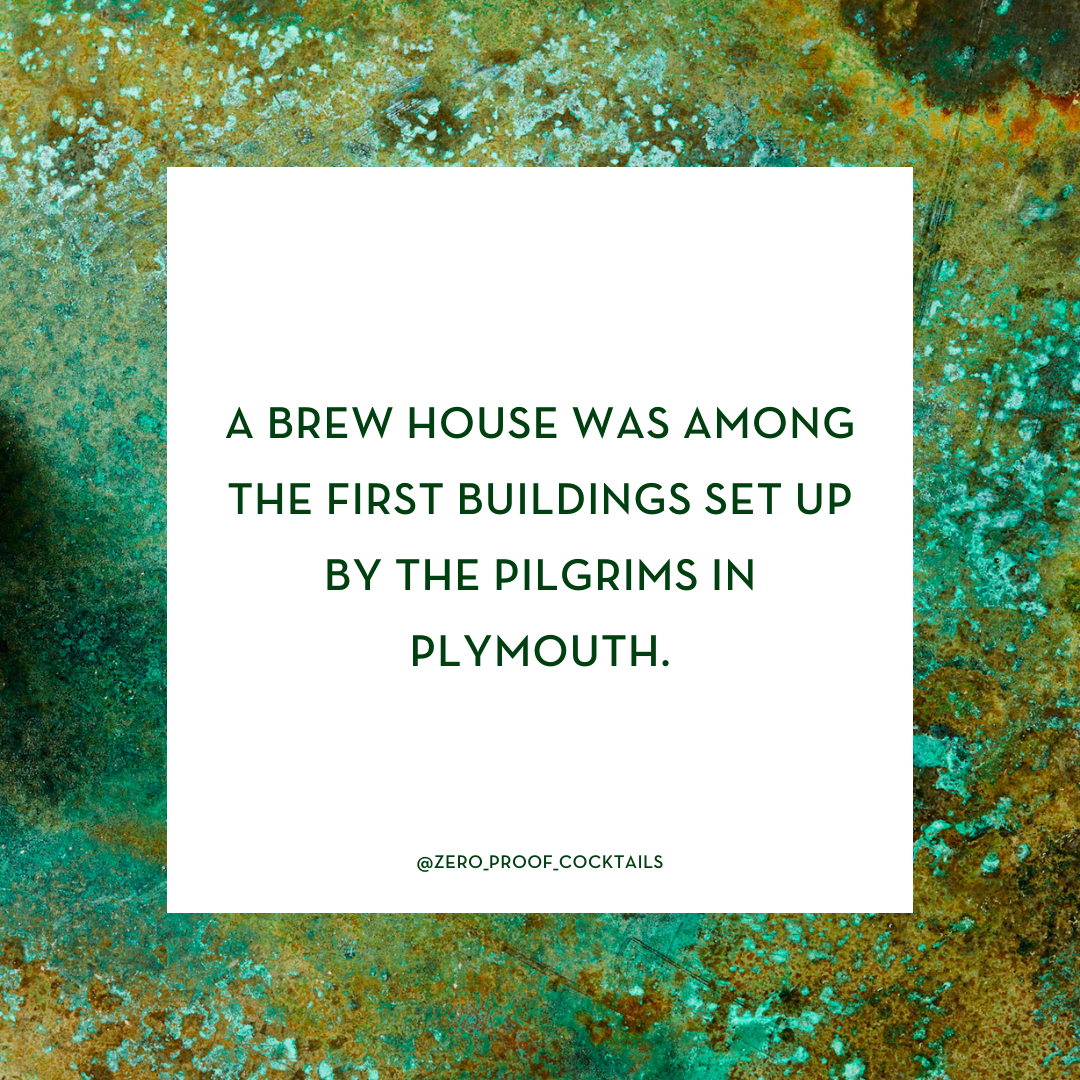
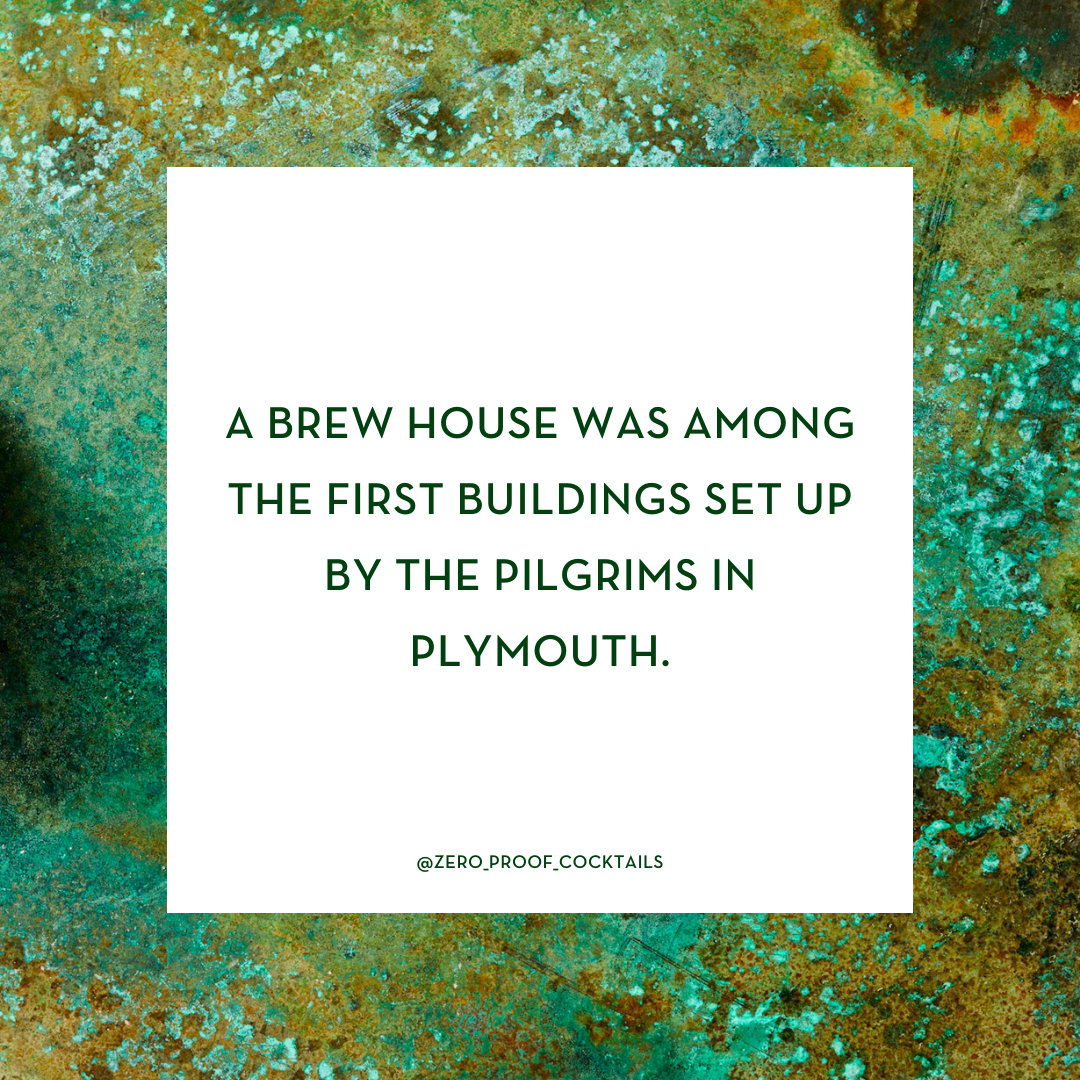
One of The Earliest Colonial Buildings Was a Brew House
One of the first American colonies in Jamestown, Virginia was founded in 1607 by a group seeking "a sober lifestyle and a healthy diet".
It failed.
Miserably.
Colonists gave themselves salt water poisoning and died of starvation. Jamestown's failures was one reason why the Plymouth colonists, upon setting up camp in Nov. 1620, made it a priority to build a brewhouse. A tavern followed soon after.
The inaugural Thanksgiving, held in the fall of 1621, featured beer made using the settlers’ first barley crop.
These two historical moments (a well-founded suspicion of water and a cultural life built around the tavern) will go on to impact American drinking to this very day.
These are just some of the reasons why drinking in America is deeply woven into social etiquette, and why the non-drinker is frequently viewed with suspicion.
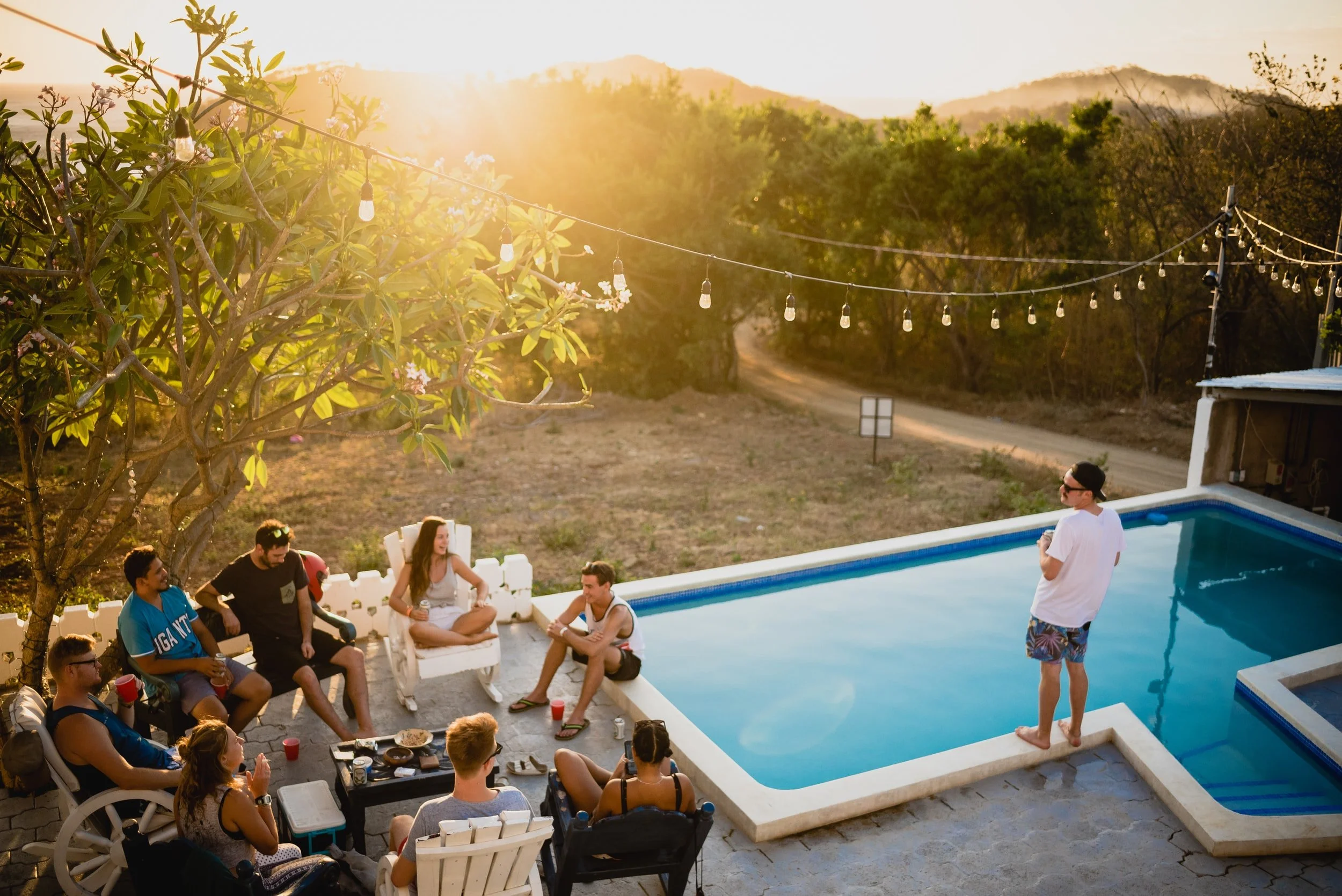
Zero Proof Summers: Surviving the Post-Lockdown Hangout
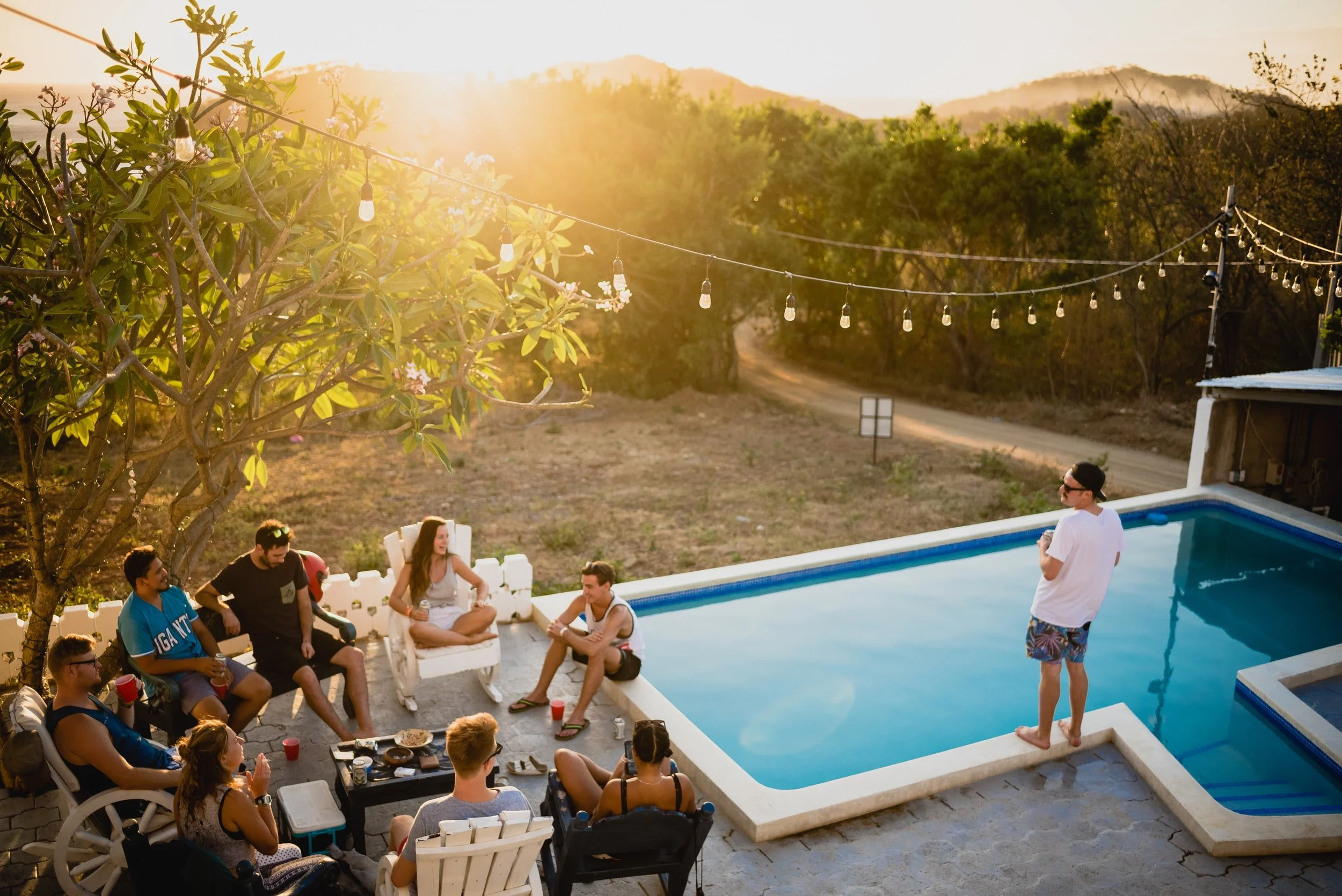
Here’s the good news: After a year of lockdowns, a summer of hangouts, backyard BBQs and overdue catch-ups stretches ahead.
The bad news: There will be alcohol around at many gatherings, and more crucially, there’s an assumption that everyone who wants to socialize also wants to drink booze. As I wrote in my book, “Zero Proof,” social culture is drinking culture, and when you choose to opt out of alcohol, people assume you want to opt out of social fun.
Far from it. That said, navigating the summer BBQ, or really, any social setting, can be fraught for those who are taking a break from drinking booze but still want to socialize.
How should you approach summer parties when you don’t want to drink? Acknowledging you don’t want to drink is the first, and maybe hardest, step. But once you know what you don’t want to do, the rest involves making a plan that reinforces your choices while also giving you flexibility for unexpected scenarios.
Bring Your Own Mixers
One way to control for unknowns is to take things into your own hands. Buy several packs of quality mixers, such as extra spicy Jamaican ginger ales, flavored French tonic waters or artisanal Italian bitter sodas. Bring enough that these can be presented as a hostess gift, while also ensuring you have supply you can dip into throughout the event.
Similarly, if you have a juicer, take the time on the morning of your event to make a large batch of juice. Use the freshest produce on hand and try multiple fruit-vegetable combinations such as yellow bell pepper plus grapefruit, mango plus carrots, watermelon plus pears. Bring a pitcher full of fresh juices, keep them cold and give them a hit of fizz with sparkling flavored waters and a quality non-alc alternative like Drink Monday.
Set Up a Check-In
It’s easy, in the swirl of social chatter, to get caught up in social drinking. If you want to skip the peer pressure or don’t want to spend time explaining yourself, ask a friend to partner up with you so you can check in on each other throughout the event. Going alone? Set up alarms on your phone to buzz you every hour or two to remind yourself of why you want to skip drinking.
Play Bartender for Your Friends
You don’t have to camp out at the bar all night but consider offering to make a round of no-proof drinks for your friends. It allows you to make the kinds of cocktails you’re in the mood for, while also presenting an opportunity to share your signature drink with friends. Maybe you’ll get to introduce them to a new recipe they haven’t had yet.
Fake It
Sometimes the simplest approach is the easiest: Keep the same glass filled with ice and garnishes so that others aren’t tempted to grab you fresh drinks or new cans of beer. Excusing yourself to freshen up your drink is a built-in way to keep you circulating around the party and finding new interactions.
Once you’ve tackled a few events, these habits will become second nature, and you may even develop your own techniques. The key is to be creative and adaptable, and build on the best techniques that work for you.
How To Build a Zero Proof Cocktail Bar at Home
Originally published in Tempest.
What do classic films and the pandemic year have in common? Both illustrate the importance of having a well-stocked at-home bar, whether it’s to enjoy a post-work aperitivo or to treat surprise visitors. At first blush, the zero-proof movement might be seen as the end of the at-home bar. It actually isn’t; a non-alcoholic at-home bar moment isn’t a disruption of home cocktail culture, but rather, an evolution.
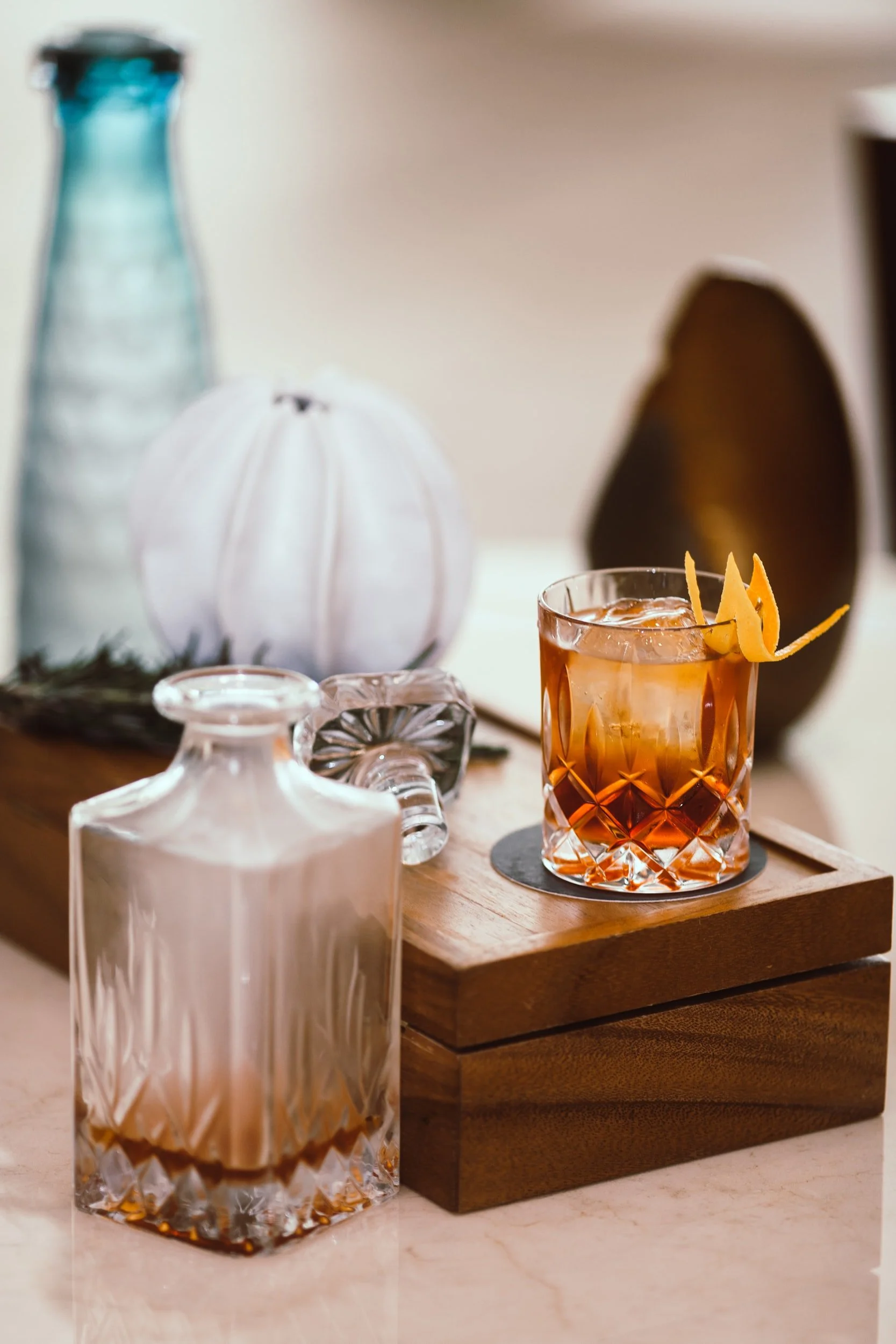
As I wrote in my book, Zero Proof: 90 Non-Alcoholic Recipes for Mindful Drinking, the non-alcoholic drink’s pedigree goes back to the earliest days of cocktail culture, even if it hasn’t always boasted the best reputation. When Prohibition was enacted, ladies still had to entertain at home, and so the non-alcoholic drink was elevated into the realm of etiquette and proper hostessing.
Where to Start Building Your Zero-Proof Cart
It starts, as all things that matter do, with a little effort and a touch of research. Once you crack the code, or find something that works for you, it gets easier going forward.
When building a zero-proof bar cart, many of the traditional concepts still apply. You want to think about flavors and build around the classics. The good news is that there is a growing and vibrant new product category that makes stocking up as easy as buying traditional booze.
The backbone of any bar centers around the classic liquor flavors. Think gin, rum, tequila, whiskey. There are multiple products that replicate the taste of traditional liquor notes but leave the alcohol behind. Ritual Zero Proof has several expressions, including a very charming newly-released dark rum, which are designed to be mixed in the same ways as traditional booze. Drink Monday, Lyre’s, Wilderton, Everleaf and Seedlip also produce several non-alcoholic spirits designed to replace your classic London Dry.
Add in the Classic Bitter Flavor
Once you have a small library of base “spirits”, focus on products that deliver bitterness. Many classic drinks, such as the Aperol Spritz or the Negroni, are popular because of that just-so balance of sweet-to-bitter notes. Lyre’s Italian Orange, a non-alcoholic spirit, is a gorgeous zero-proof spin on the Italian amaro and will bring Aperol to mind. With full-blood orange flavors and a soft mouthfeel, Lyre’s Italian Orange pairs gracefully with sparkling waters and also brings a sophisticated depth to drinks.
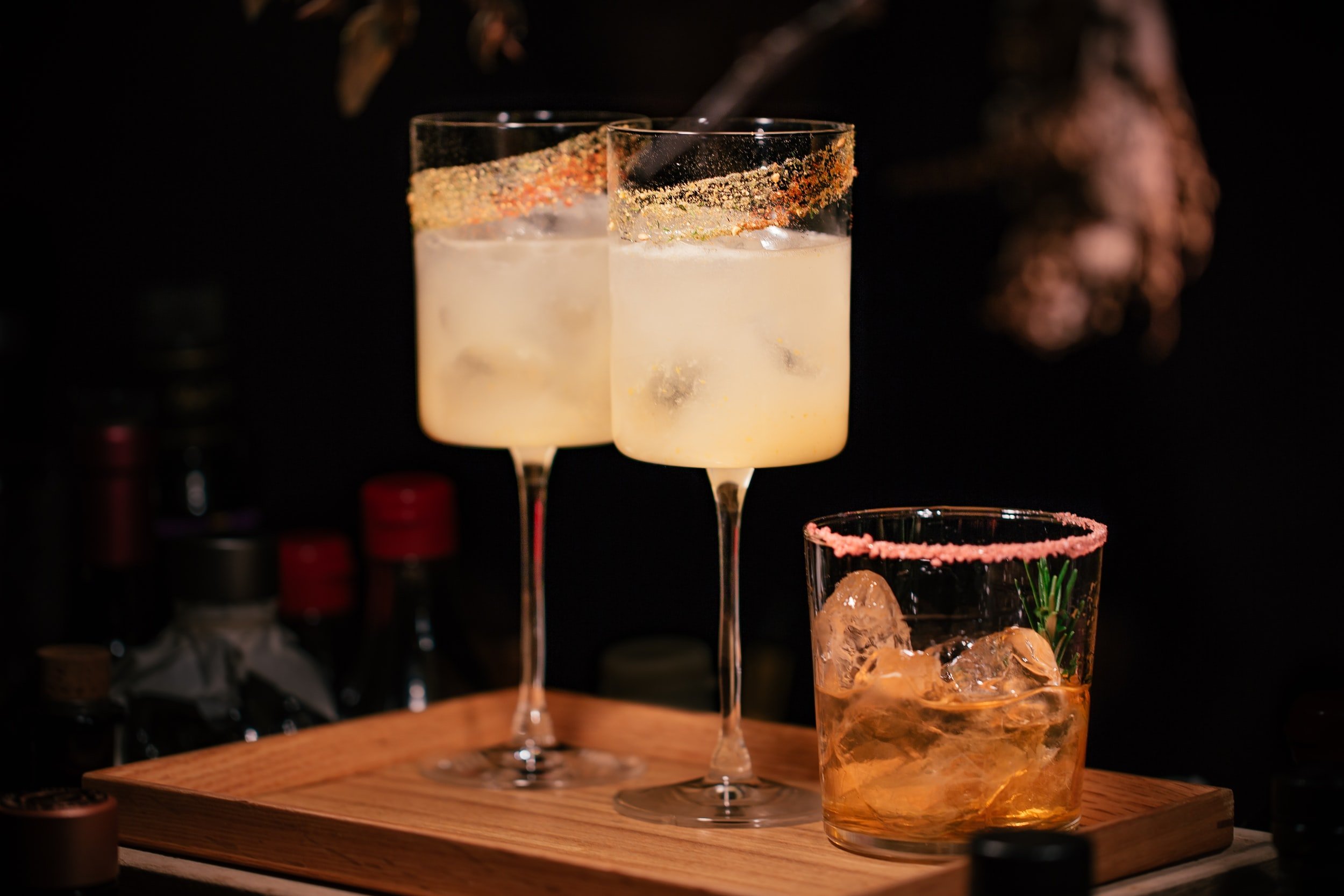
Bitterness, any bar expert will tell you, is crucial to elevating drinks.
“I like to describe bitters as the spice cabinet of cocktails,” top bartender Erick Castro, proprietor of San Diego’s award-winning Raised By Wolves and Polite Provisions, says. “You don’t drive the cocktail with that ingredient but rather, bitters add depth and complexity.”
Be adventurous: Stock up on cocktail bitters in flavors such as celery, grapefruit, and chocolate. (Be sure to check labels because some bitters contain trace amounts of alcohol.)
“For somebody making non-alcoholic cocktails at home, I would highly recommend the bitters made by Fee Brothers,” Castro says. “Fee Brothers bitters are non-alcoholic and are glycerine-based. But they’re packed with flavor and add a lot of nuance.”
If you really want to treat yourself, splurge on San Pellegrino’s Sanbitter Rosso, a zesty non-alc soda as bitter as it is lipstick red. These tiny bottles are imported from Italy and are therefore expensive ($24 for a 10-pack, via Amazon) but are extremely worth it when you want to make drinks that remind you of sipping Garibaldis in Verona. (Amazon also stocks several other slightly less expensive, but still very Italian and very bitter, non-alcoholic aperitifs).
Be Prepared to Host No Matter What
Sometimes, the secret to being a great hostess is knowing when to let someone else do the work. Consider keeping a stash of non-alcoholic sodas, or elixirs, chilled and at the ready if you catch yourself with impromptu drinks requests or just want that “unwind after a long day” ritual.
The new generation of zero-proof ready-to-drinks are sophisticated and urbane, designed by people who love cocktails but not hangovers. In this new category, you can’t go wrong with Curious Elixirs (who have expressions reminiscent of French 75s and Negronis), Casamara Club (the sparkling amaro sodas you didn’t know you were craving), and For Bitter, For Worse (sodas crafted with smoky, citrus and bitter notes).
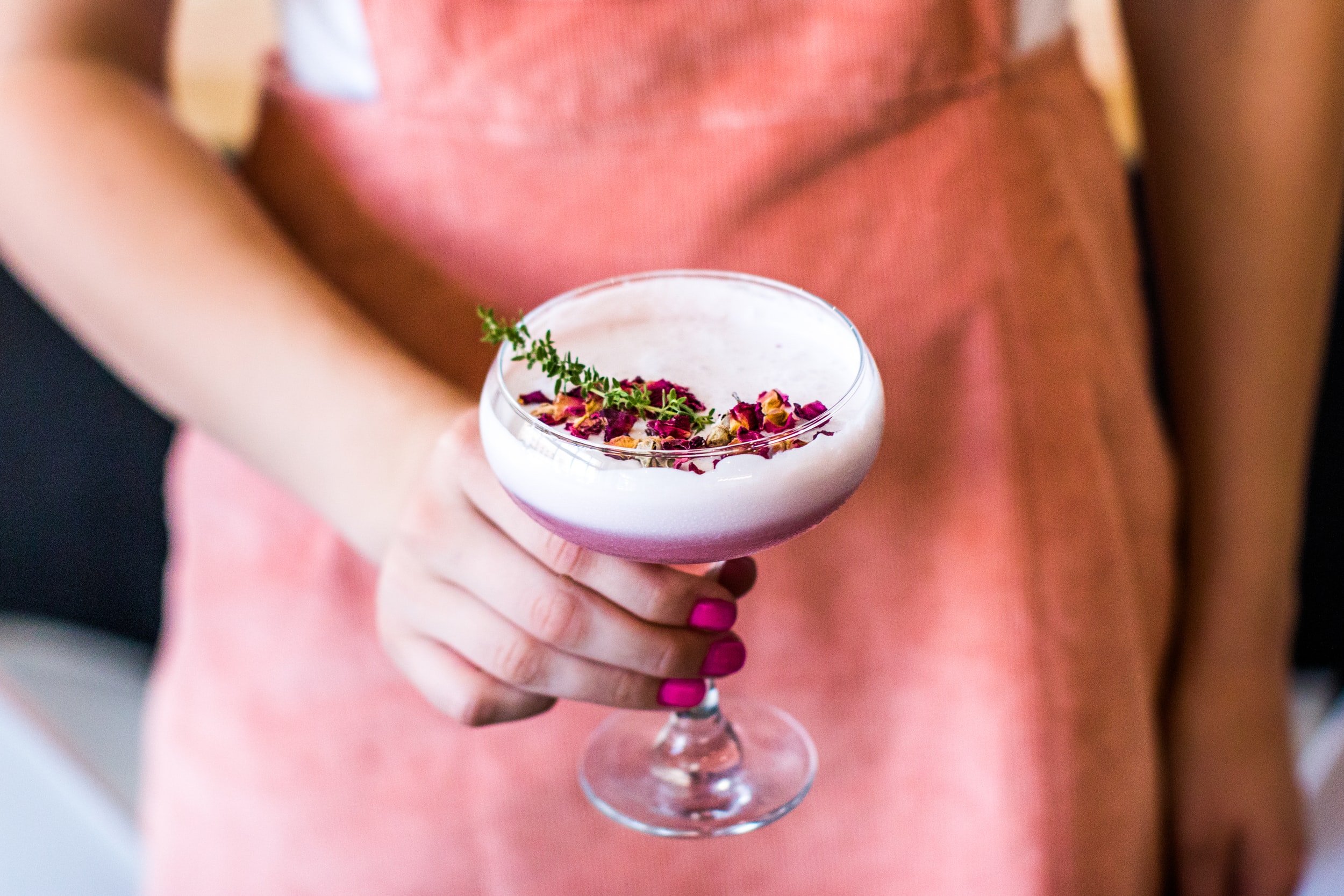
High-Quality Sweeteners and Mixers
When it comes to adding sweetness, always aim to use fresh juices that you make yourself. I swear by a subscription to Misfits Market, which delivers a box of farm-fresh produce each week. Experiment with different juice combinations like grapefruit plus yellow bell pepper or strawberry plus red beets. Combine a pitcher of fresh juices with ice and a base spirit and you’re halfway to a lively group punch or a summer sangria.
As with traditional cocktails, details matter all the way through the end.
Once you’ve put in effort into sourcing top-tier ingredients, don’t undermine your work by drowning out your delicate drinks with flavorless mixers. Invest in well-made mixers, such as Fever-Tree’s punchy and aromatic ginger sodas or London Essence’s delicate and pretty tonics. Even a bracingly brisk La Croix can bring zing to zero-proof highball.
Impress with Glassware
As any cocktail enthusiast knows, glassware is key. Have you ever lingered over a gorgeous glass in a bar? You want to bring that feeling home.
“Just like mixers, the glass you serve from often gets overlooked,” Fever-Tree CEO Charles Gibb says. “But glassware is just as important as everything that goes into the vessel. I always start with a Collins glass that is heavy in the hand, and personally opt for classic styles like flutes that instantly level up any bar cart.” Gibb recommends Schott Zwiesel, Williams-Sonoma and Riedel for lead-free dishwasher-safe crystal glassware.
Once you have the glassware, “simplicity remains the goal,” Gibbs says. “Add your favorite spirit and top with a hand-numbingly cold carbonated mixer like Fever-Tree and off to the races.”
What Pandemic? Ritual Zero Proof Rides Sales Wave, Launches New Rum Alternative
One of the biggest headlines of the pandemic was: Everyone drank a lot of home, and ordered in massive amounts of alcohol. That’s true but it’s also true that despite (or because of?) that drinking trend, zero-proof spirits also experienced sales bumps.

Originally published in Forbes.
One of the biggest headlines of the pandemic was: Everyone drank a lot of home, and ordered in massive amounts of alcohol. That’s true but it’s also true that despite (or because of?) that drinking trend, zero-proof spirits also experienced sales bumps.

Ritual Zero Proof, one of the first American non-alcoholic spirit alternatives, launched in the fall of 2019. The following year could have been dismal for the new brand, given that the usual ways for consumers to discover new drinks products (bars, tasting events) were stifled during national lockdowns. And well, people were drinking cocktails at home, boosting Drizly sales to frothy heights.
And yet.
Ritual Zero Proof, which launched with zero proof all-natural botanical alternatives to gin, whiskey and later, tequila, also tracked strong consumer interest. The company recorded a 241% growth in revenue in 2020 and is already on track to beat those sales, according to company executives.
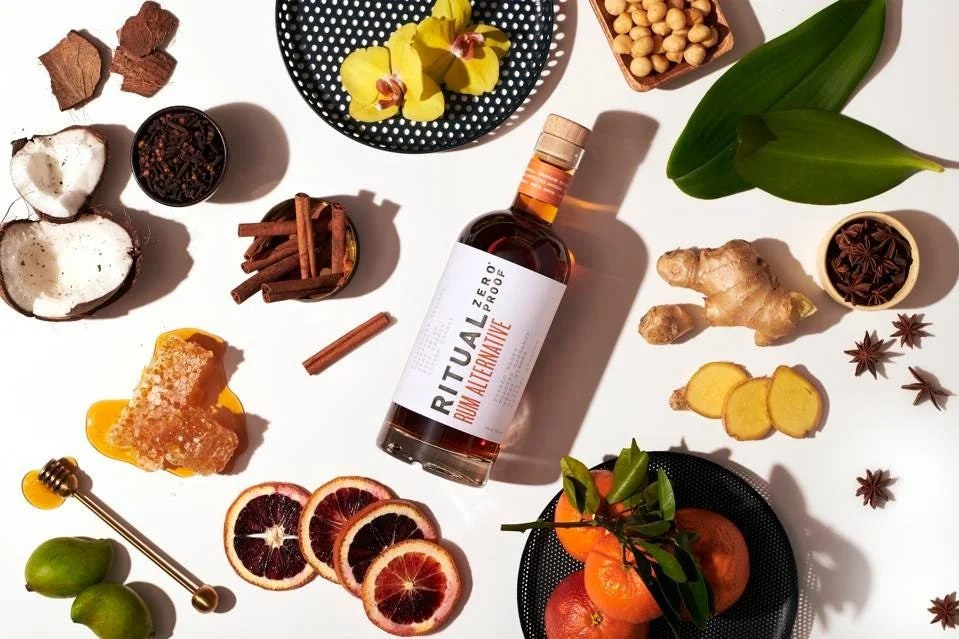
Early this month, the Chicago-based company launched its newest expression, a dark rum alternative, flavored with Tupelo honey, clove, and cinnamon. An online pre-sale of the rum set a company high for best single sales to date, notching a 38% increase from the previous record.
The pandemic boost sales of zero proof offerings from Ritual Zero Proof.

“There’s this perception that because of lockdowns, everyone got interested in health, and the same time, alcohol sales boomed,” Ritual Zero Proof co-founder Marcus Sakey says. “I think the pandemic had very little impact on our sales one way or the other.”
The surge in sales for Ritual wasn’t surprising to Sakey, given what he’s learned about his consumers. The typical zero proof consumer, Sakey says, is the same person who might buy beef as well as plant-based meals, and will drink dairy as well as oat milk. In short, this is someone who just wants more balance, not necessarily exclusion.
“[Our customers] are aware of their habits, and at the same time, very protective of them,” Sakey says. “They want to make a cocktail and not feel bad about it. What they love in Ritual is the ability to mix a cocktail however they like.”
“Our approach is: We’re not anti-alcohol, we are pro- having it your way,” Sakey says. He adds that up to half of Americans are actively trying to drink less, while at least of third of Americans don’t drink at all.
Given the mass closings of venues last year, Ritual (and other zero proof options) may not yet be in your local bar or store just yet. But with the reopening of the economy and the growing demand by consumers, expect more zero proof options to show up on bar menus and grocery store shelves.
Whereas when Ritual first launched, the company faced resistance from bars who were skeptical about buying non-alcoholic bottles that were priced similar to lower end liquors, that perception is changing, in part because of economics. “Beverage directors are seeing that this is a new revenue stream,” Sakey says. “The person who wants a non-alcoholic drink isn’t going to order a high proof cocktail. That’s money they are losing.”
Study: No Amount Of Drinking Alcohol Is Safe For Brain Health
Originally published in Forbes.
An Oxford University study is causing a stir in the drinks community for its findings about the impact of drinking on brain health. In short: No amount of drinking alcohol is safe for brain function, according to brain imaging data.
The observational study, published May 12, is not yet peer-reviewed; it is based on a cohort of over 25,000 British participants with an average age of 54. Brain scans were performed to measure the relationship between moderate alcohol consumption and brain health. The study was conducted by researchers with expertise in population health, psychiatry, and clinical neuroscience.
The researchers began with the premise that “moderate alcohol consumption is common and often viewed as harmless to brain health.” Researchers performed brain imaging using identical scanners on subjects. They found that alcohol consumption tracked with decreases in brain grey matter as well as white matter. Binge drinking alcohol posed additional negative effects on brain structure, in addition to the impact of the volume of alcohol consumed.
Respondents were separated in groups of “never drinkers,” “former drinkers” and “current drinkers.” Brain scans on identical machines tracked changes in brain volume and matter.
Researchers did not find any difference on the impact of drinking between types of liquor, such as wine versus beer or spirits. Researchers addressed the popular notion that wine is considered healthier than liquor. “We found no evidence to suggest alcoholic beverage type confers differences in risks to the brain,” researchers write. “This supports the hypothesis that it is ethanol itself, rather than other compounds in the beverage, that is on the biological pathway to damage. The associations of wine-drinking with higher educational level and socioeconomic status may explain the apparent health benefits.”
The impact of alcohol on overall health and the immune system has been top of mind for many recently, as more people wonder whether they can drink safely after getting a COVID vaccine. The short answer is yes, the FDA and the CDC don’t carry warnings about mixing liquor with vaccines. That said, the question gained currency after health officials noted that some studies show that heavy amounts of alcohol can suppress the immune system.
According the Oxford University researchers, several questions remain. They did not establish the threshold of when alcohol intake causes harm, or the impact of moderate drinking on brain connectivity. They speculate that drinking patterns, such as binge drinking, may worsen the impact of drinking on the brain but they do not have the data to support it.
Their conclusions, however, were quite clear.
“No safe dose of alcohol for the brain was found,” researchers write. “Moderate consumption is associated with more widespread adverse effects on the brain than previously recognized.” Researchers advise that existing “low risk” drinking guidelines should be revised to warn the public about the impact of brain effects.
Airlines Ban Alcohol During Flights Following A Spike In Unruly Passengers

Originally published in Forbes.
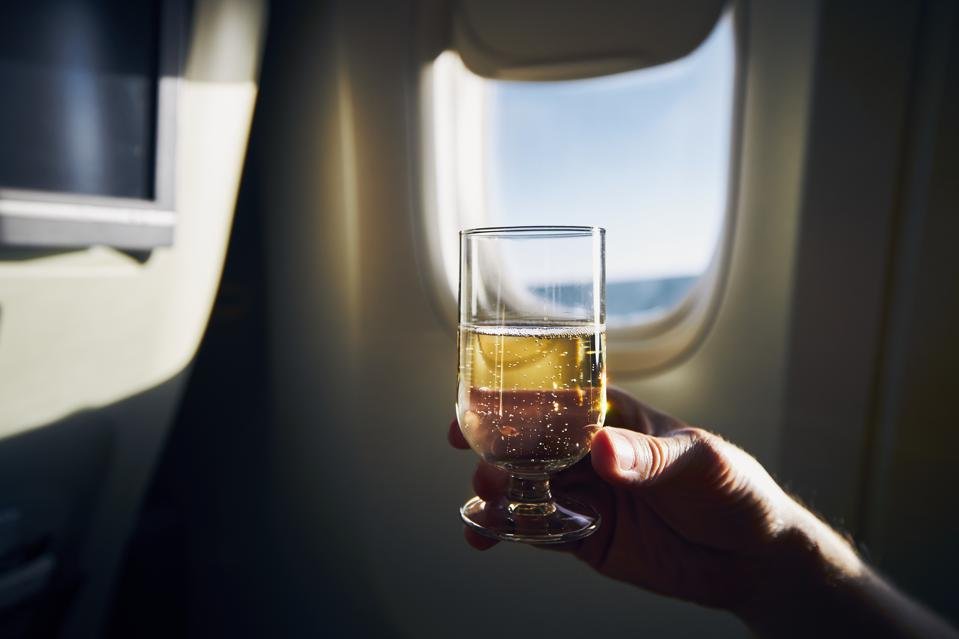
Air travel is back, but in-flight drinks are being curtailed. Blame unruly passengers.
The loosening of travel restrictions and the availability of vaccines means that travel, especially air travel, is surging towards pre-pandemic highs. Along with those crowds, however, come reports of drunk and unruly passengers, which has prompted some airlines to ban alcohol during flights.

Last week, a high profile incident on a Southwest Airlines flight from Sacramento to San Diego caught the national attention when video surfaced of a fight between a passenger and a flight attendant.
The passenger, identified by Port of San Diego Harbor Police as Vyvianna Quinonez, is seen throwing several punches at a female flight attendant before a second passenger steps between them to break it up. According to the flight attendant’s union, the attendant lost two teeth in the incident, USA Today reports. Quinonez, the unruly passenger, was charged with battery causing serious bodily injury, a felony.
Airlines cut back on in-flight drink and meal service during the pandemic as a way to minimize the times people uncovered their faces; recently, some airlines, such as Delta, have returned to serving full hot meals and drinks.
Southwest was taking a more conservative route and had planned on re-introducing alcohol in late June. Following last week’s incident, as well as reports of general passenger unruliness, Southwest is suspending alcohol sales through June and July, travel site The Points Guy reports.
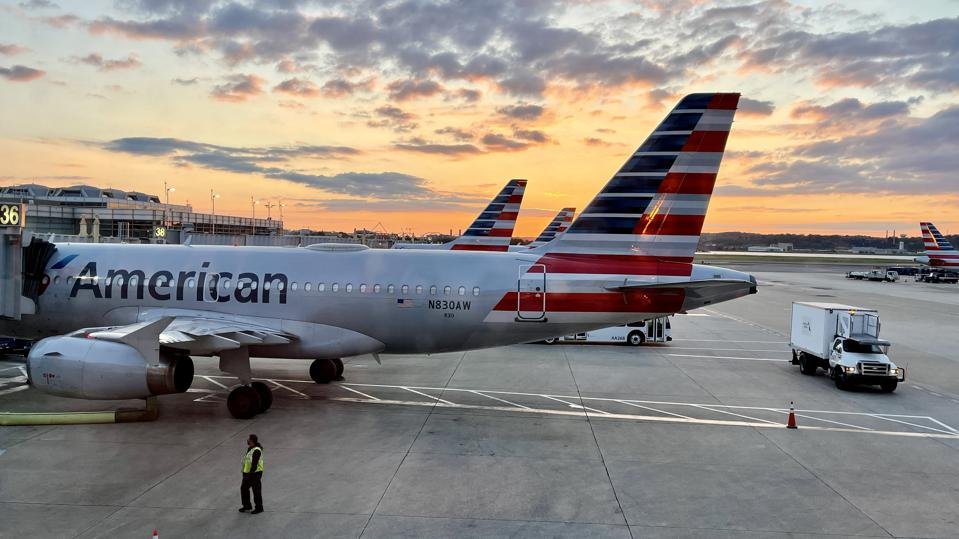
This weekend, American Airlines joined Southwest in declining to service alcohol in flight in some of its cabins. Like other airlines, American had suspended alcohol service last March to minimize customer interactions. American had reinstated alcohol service on May 1 to the premium cabins, with liquor sales set to resume in the economy section on June 1. However, following the Southwest incident, American will extend its alcohol ban in the economy section through Sept. 13, CNN reports.
Bans on in-flight alcohol service may not stem altercations with belligerent passengers, however.
The FAA has published details of multiple altercations involving passengers who bring their own stash of alcohol on-board, and proceed to drink despite requests not to.
Two passengers on a Jan. 4 JetBlue flight were disruptive and allegedly drank from their own personal alcohol, leading into altercations with attendants. They were escorted off the plane by police and fined $31,750 and $16,750. A passenger on a Jan. 14 SkyWest flight from Arizona to Texas also reportedly drank “multiple 50 ml bottles of his own alcohol”, and became so belligerent that two off-duty law enforcement officers had to wrestle him into his seat; this passenger was later fined $14,500. In Feb., another JetBlue flight was disrupted when a flight attendant told a passenger they could not drink from their own mini bottles of alcohol. The disturbance escalated, and the passenger was fined $18,500.
Since the start of 2021, the FAA has received approximately 2,500 reports of unruly behavior by passengers, many of which are linked to refusing to comply with drinking and federal mask-wearing rules.
Is Cannabis Beer The Next Big Trend In The U.S.?
Originally published in Forbes.
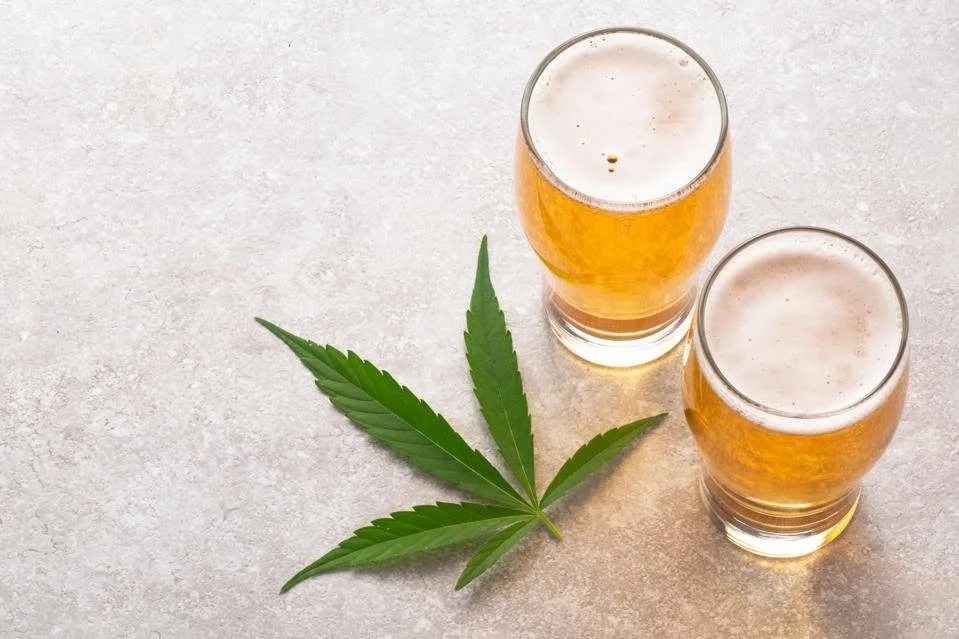
When New York State announced, at the start of April, that it was joining states such as California and Portland in a move towards legal, recreational marijuana, it prompted the question: what does this mean for new products?
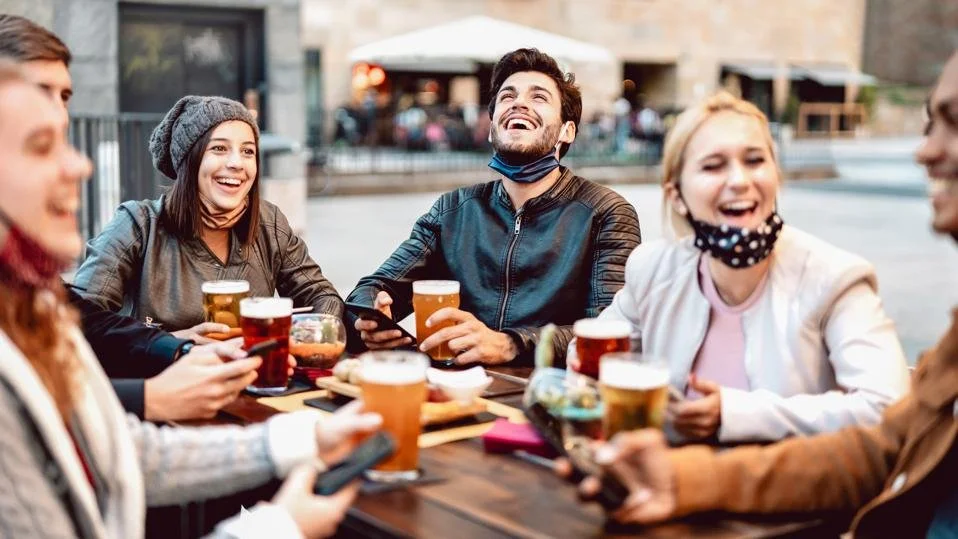
A hint is buried in AB InBev’s 2020 annual report, which was released this past February. AB InBev, the parent company of Anheuser-Busch, manages a global portfolio of beverage brands, from beer to hard seltzer and ready-to-drink cocktails.
AB InBev, which produces beer brands such as Stella Artois, Budweiser and Corona, is also investing in the no- and low-alcohol beverage; the beverage maker launched 11 new no- and low-alcoholic beers, including Budweiser Zero and Stella Artois.
The no- and low-alcoholic market, overall, is poised to keep growing, despite pandemic pressures. One recent market study projects the category to be account for a full third of the total global alcoholic market by 2024.
Which is why the loosening of marijuana regulations could potentially intersect with a fast-growing industry sector, if companies can position themselves on the right side of regulators.
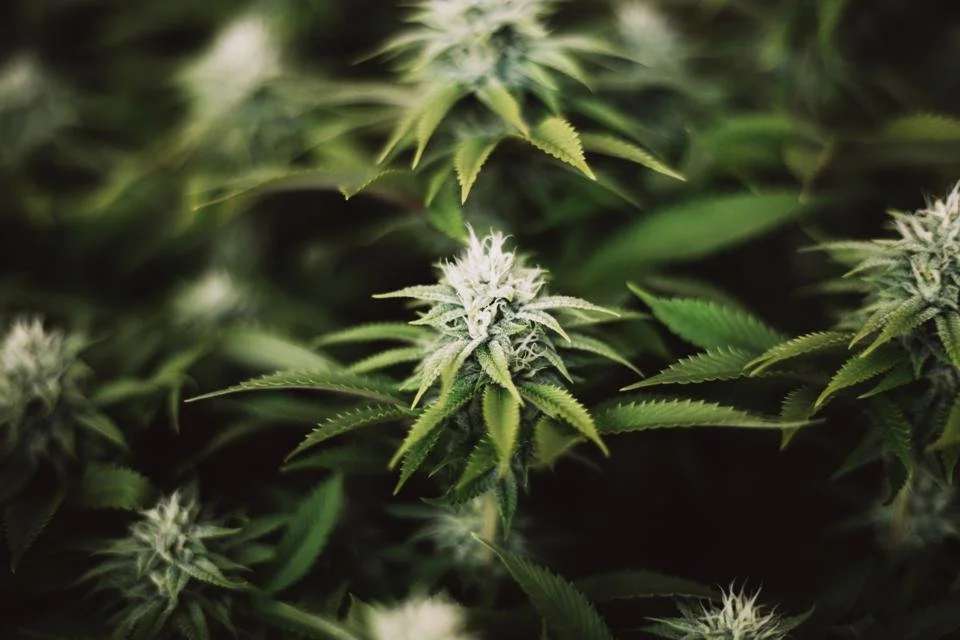
In the “Risks and Uncertainties” section of AB InBev’s annual report, the corporation notes that Labatt, a Canadian subsidiary, is researching non-alcoholic beverages infused with tetrahydrocannabinol (“THC”) and cannabidiol (“CBD”) as well as developing a non-alcoholic CBD beverage to be sold in Canada only.
The project is listed under “risks” because “cannabis remains illegal in many markets in which AB InBev operates, and violations of law could result in significant fines, penalties, administrative sanctions, convictions or settlements arising from civil proceedings or criminal charges,” the report states. “Furthermore, the political environment and popular support for cannabis legalization has changed quickly and remains in flux.”
Marijuana is legal in 17 U.S. states, including Alaska, California, Maine, Colorado and Illinois, while another 13 states have decriminalized its use. In some states, politicians such as Pennsylvania Gov. Tom Wolf are actively courting voters to help legalize marijuana. (Part of the new enthusiasm for this so-called green rush is because new, legal weed businesses would puff up pandemic-depleted tax coffers.)
In states where it’s legal, craft brewers have stepped in to experiment with THC- and CBD-infused beers, as beer blogs will attest. Uneven state regulations, however, won’t allow out-of-state shipping.

What this means is that there could soon be a turning point, as more states turn green, for multi-national corporations like AB InBev to step into the weed-infused beer space and enhance their standing in the no- and low-alcohol beverage space at the same time.
The craft brewers will remain but they may, in a few short years, be joined by marquee names from major beverage producers.

No/Low Alcohol Products Gain Market Share, Even In Pandemic
Originally published in Forbes.
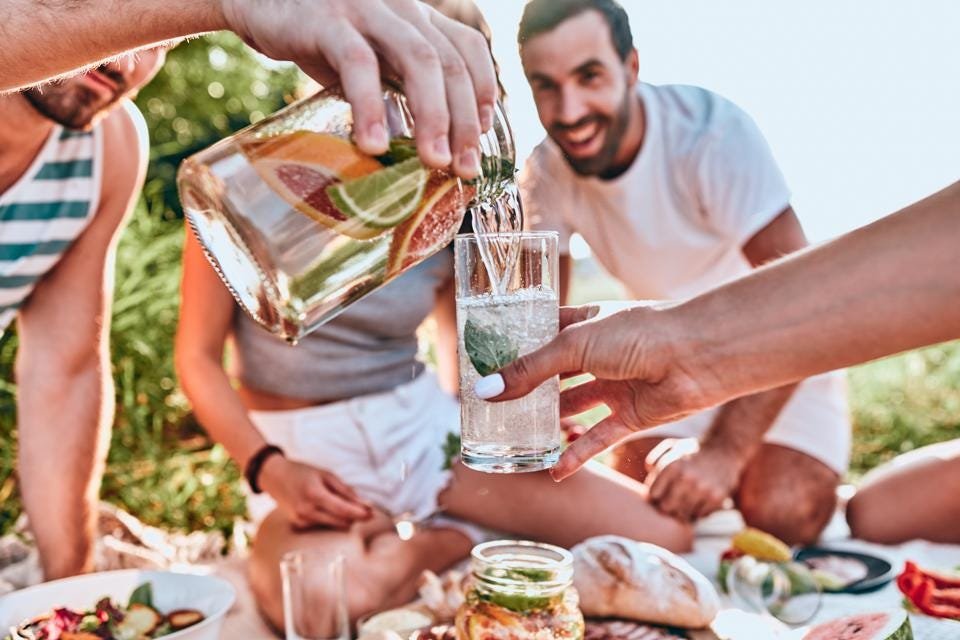
Even within a pandemic, with its constant chatter about the popularity of drinking at home, zero-proof and low-proof alcoholic products continue to rise, according to a newly released market study from IWSR Drinks Market Analysis.
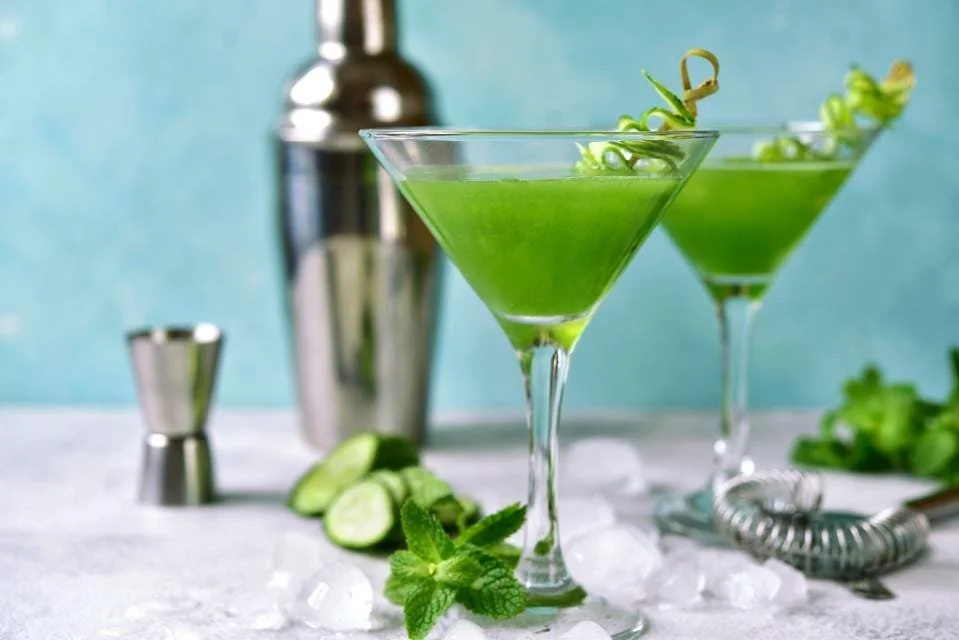
The Feb. report looks at alcohol consumption in the 10 key countries, including Australia, Canada, France, the U.K. and the U.S. , that represent over 75% of the global zero-proof and low-proof alcoholic beverage market. Globally, the no/low category ticked up to 3% of the total alcoholic market; total volume is forecast to grow by +31% by 2024.
The strength is the category is fueled by what IWSR describes as “a moderation trend that’s sweeping across key global markets.” Consumers are seeking out reduced alcohol and alcohol-free drinks; brands are rushing to fill what was, until a few years ago, a nearly non-existent category. New zero-proof products seemingly debut every month. What was once a sleepy category now includes everything from ready-to-drink canned drinks to gin alternatives such as Ritual Zero Proof, which announced last year it had taken a minority investment from drinks behemoth Diageo (who also invested in Seedlip, the zero proof distillate that arguably kicked off the no-proof craze.)
Even as bars, hotels and restaurants mostly shuttered around the world in 2020, no/low categories still saw gains across the 10 markets, marking a “positive, albeit muted growth,” of 1% in 2020.
While Germany, the largest no/low market, saw drops in the category, the United States, the category’s second largest market, recorded an increase of 30%, despite the mass closings of restaurants and bars, which is where most consumers discover new products. Even the traditional liquor state tasting was put on hold across multiple states in 2020. While challenges remain, IWSR predicts that interest in the no/low category will continue to make gains through to 2024 when it is expected to represent a full third of the total market.
Of particular interest is the zero-proof space. While no- and low-alcoholic products are currently measured together, the two product styles are growing at different speeds. IWSR found that no-alcohol sales volume grew by 4.5%, while low-alcohol decreased by 5.5%.
The growth of no-alcohol is fueled by drinkers as much as non-drinkers. Moderation, not full abstinence, is regarded as the trend behind the growth of the category. “More than half (58%) of no/low consumers report that they choose to switch between no/low and full-strength alcohol products on the same occasion, while only 14% state they do not drink alcohol at all,” IWSR reports. “The most popular occasion to consume no/low products is when relaxing at home (64%), and the category’s suitability to low-tempo occasions is a key reason why it has been so resilient during the pandemic.”
Tellingly, and in a note that could point to where this space is headed in post-pandemic times should we ever get there, IWSR’s research suggests that consumers are making decisions based on taste, “which underscores a finding that consumers are generally willing to pay a similar price for a no/low beverage as a full-strength one.”
‘Dry January’ Can Be A State Of Mind For The Entire Year

Originally published in Forbes.
Dry January came and went, did you even notice? If you didn’t, it’s completely understandable: there were multiple competing news events in the first four weeks of 2021. In a time of domestic turmoil across multiple fronts, it’s easy for small-scale things, such as Dry January, to skip by unnoticed.
But in a way, 2021’s tumultuous introduction is a good test for those hoping to make zero-proof drinking more than just a one-time event. Because there will always be something happening, either in the news or in one’s personal life, that intrude into a mindful drinking state of mind.
Just as “A Christmas Carol” concludes with Scrooge learning to keep the spirit of Christmas alive in his heart for the entire year, getting through Dry January can set you up to be more aware about drinking for the months ahead. Studies have found that taking time off from drinking, even as little as one month, showed lasting impact, such as fewer hangovers, fewer units consumed and fewer days drinking. This comes against a background that suggests that some people are drinking more in the pandemic, but also reconsidering their choices as a result.
So how do you sustain that motivation as the collective deadline of Dry January fades into memory? Below are some ways to, like Scrooge, be mindful and zero-proof all year long.
There’s a vibrant sober and sober-curious community online, in particular on Instagram. Follow accounts such as Tempest (@JoinTempest), Listen Bar (@ListenBar), Sober & Social (@Soberandsocial_) and Ruby Warrington (@RubyWarrington).
Zero proof and mindful drinking accounts offer tips on how to frame the challenges of non-alcoholic drinking, such as “Reconnect to your intentions,” according to a recent post by Tempest, who also suggests telling yourself affirmations such as “I’m proud of the work I did.” Tempest is also spearheading a “rituals” month, aimed at giving people tools to integrate mindful drinking into their lives with positive and affirming practices.
Speaking of Social, Bring Mindful Drinking to Your Parties
In “The Dry Challenge: How to Lose the Booze for Dry January, Sober October and Any Other Alcohol-Free Month,” author Hilary Sheinbaum suggests throwing themed non-alcoholic parties and asking friends to bring no-proof hostess gifts. She also lists ways to sidestep unexpected temptations, such as how to avoid drinking while on vacation, and enlisting friends in non-alcoholic game nights.

Keep the Goals But Don’t Get Overwhelmed
Alcohol Change, the British non-profit that popularized Dry January, suggests that just as Dry January had a finite deadline, the best way to think about dry challenges is to plan them for weeks or a month a time. “It might also help to think about your sobriety as something which you can always change – you’re not sober forever, you just don’t drink right now,” a recent blog post states. “You can change that whenever you feel like it.” For that still want to drink, but drink less, the organization suggests keeping track of drinking through apps or journals. Much like seeing how much sugar you consume while trying to diet, putting real numbers down in a journal can be the motivation you need to stay within your boundaries.

Expect Dry January To Be Bigger Than Ever In 2021
Originally published in Forbes.
2020 had everyone reaching for a drink. As the new year dawns, millions are re-examining those choices.
Over 6.5 million people are expected to take part in Dry January in 2021, up from an estimated 3.9 million in 2020, according to new data from Alcohol Change UK, the British non-profit that popularized the trend a few years back. One in five British adults who drink alcohol (20%) are planning to do Dry January this year, representing 12.4% of the entire UK adult population.
Those numbers are impressive, especially when compared to the trend’s humble start. When Dry January first officially launched in 2013, only 4,000 people signed up for the pledge to abstain. Since then, the trend has shown no sign of stopping, and the pandemic might have something to do with it with giving it more momentum. These numbers only take into account the people who sign up for the month via the organization; there’s reason to believe millions more take part unofficially and are not counted.
What appeared to be colloquial knowledge has been born out by new research: more people are drinking more heavily now since the start of the pandemic last spring. Nearly one-third (29%) of adults surveyed said they drank more in 2020 than previously. People reported drinking earlier in the day (26%) and drinking more often (31%), according to Alcohol Change UK. People also report “drinking to cope” and expressing concern about how much they drink.
Which means the timing is ideal for millions to eschew liquor and find their ways to better habits, even if they do return to drinking later in the year.
For those that do take part in the challenge, research has shown that the health effects are long-lasting. Research has shown that taking just one month off drinking can help reset bad habits, even if people do go back to drinking. Six months after completing Dry January, people reduced their drinking days from an average of 4.3 to 3.3, while the amount of liquor drunk fell from 8.6 units to 7.1. Frequency of drunkeness fell on average from 3.4 per month to 2.1 month, according to a 2020 study published in Psychology & Health. In 2018, the Royal Free Hospital found that taking just one month off alcohol lowered blood pressure and cholesterol, reduced diabetes risks and reduced the levels of levels of cancer-related proteins in the blood.
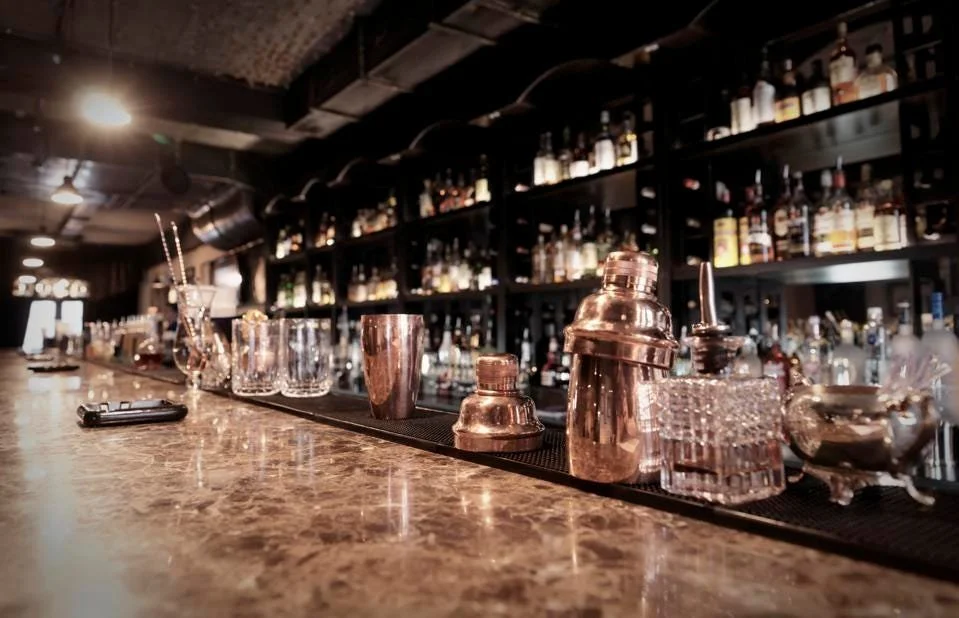
Taking part in Dry January for the first time? Having structure helps. Alcohol Change’s free app Try Dry lets people track the calories and money they’re saving by not drinking, as well as the units of liquor they’d typically drink. The app helps set goals and offers tips on staying dry. According to the non-profit, people who make a point to sign up for the month of abstaining, whether online or via an app, are twice as likely to complete the challenge, even if they were heavy drinkers to begin with.

No-Proof Venue Listen Bar Announces World Tour
Originally published in Forbes.
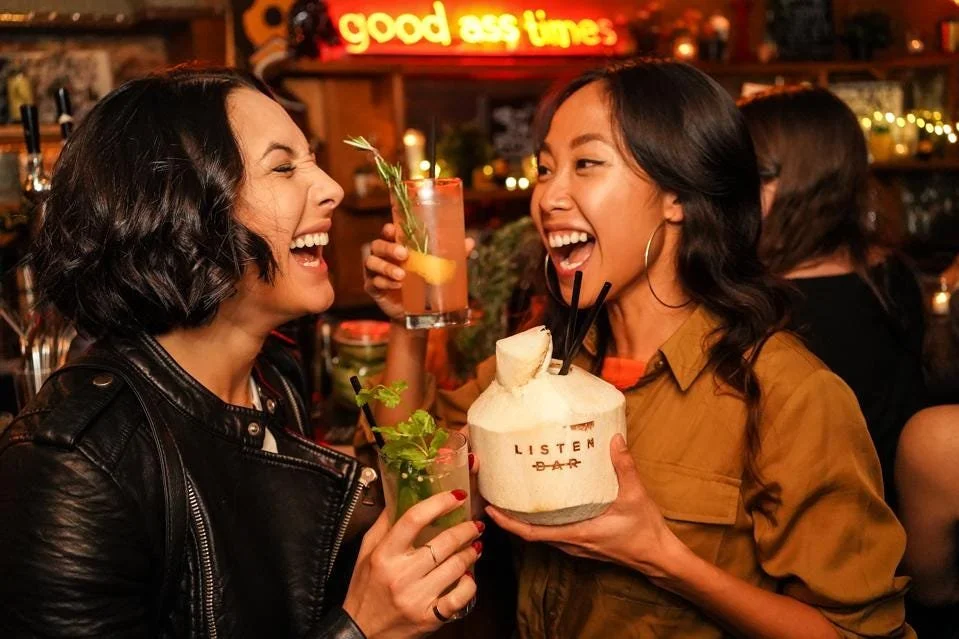
Listen Bar, New York’s popular non-alcoholic bar concept, is going global.
The New York-based no-proof bar, which just finished a month-long residency at the Williamsburg Hotel, has just announced that it’s taking its n/a cocktails and booze-free vibes on the road. Dates and locations are still being finalized, but over the next few months, look for Listen Bar at pop-ups in Los Angeles, Las Vegas, San Francisco, Seattle and Chicago. Over the summer, Listen Bar will jump to international waters, making stops in London, Berlin, Paris, Stockholm and Bucharest. (More stops and cities may be added, based on customer demand.)
Listen Bar founder Lorelei Bandrovschi and her team will be at all the stops along the tour. “The focus is going to be our greatest hits from our menu,” she says. “It’s going to be a combination of our bartending team and bringing in local musicians to bar tend with us.”
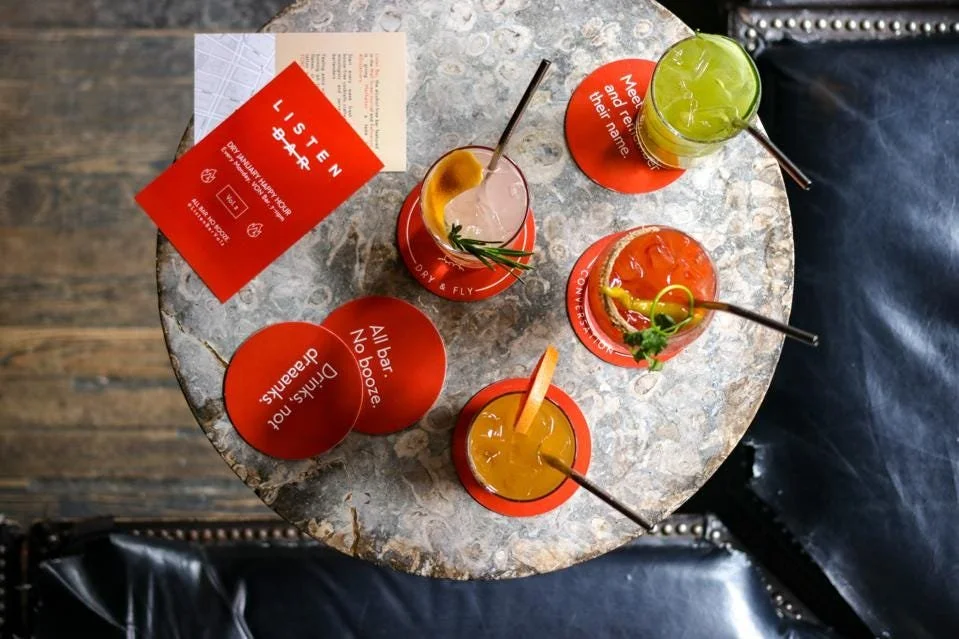
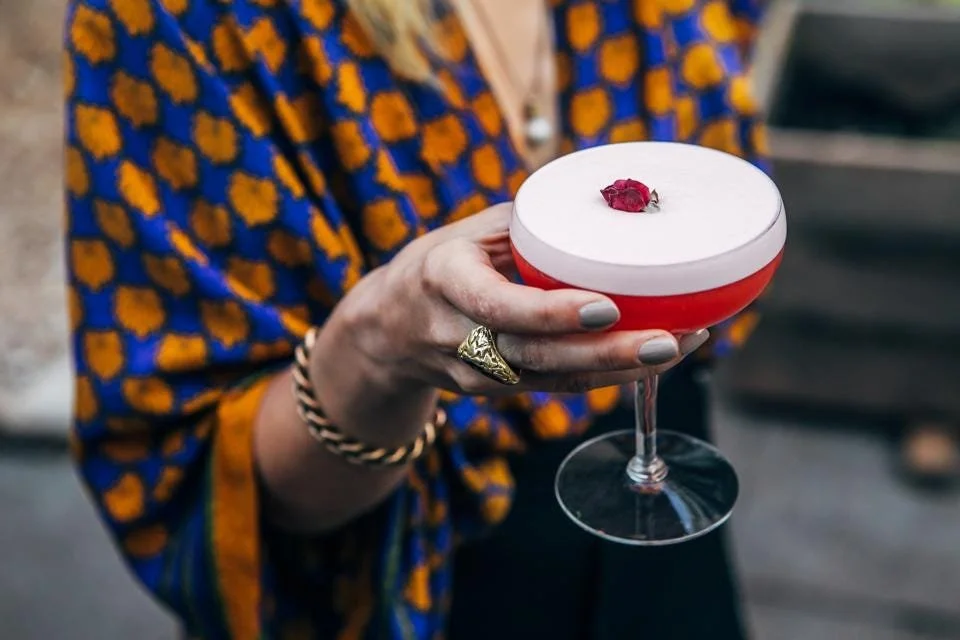
That a fully alcohol-free bar not only exists, but has seen enough demand from other cities to go on a multi-stop international tour, points to the growing popularity of the so-called sober curious movement.
“People are ready for a new kind of nightlife,” Bandrovschi says. “People are becoming more vocal about feeling like the odd one out [if they’re not drinking.] You’re seeing people raise their hands and say, Actually I’ve been thinking the same stuff.”
“All of a sudden, this quiet questioning is getting louder and it’s galvanizing people,” she adds. “Listen Bar is a space where all those people fill the room.”
From its launch, Listen Bar struck a nerve with people, many of whom were outside of New York, and who asked for the bar to visit, Bandrovschi says. Recently, Listen Bar asked their fans where they wanted to see the bar. A quarter of the survey respondents were based outside New York; those answers informed the stops along the world tour.
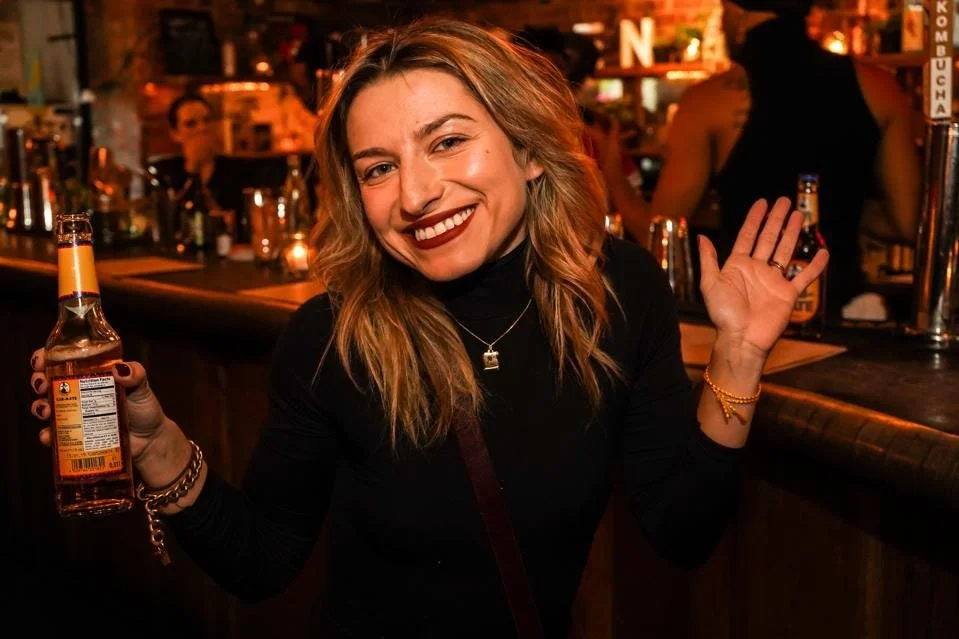
Listen Bar, one of New York’s first alcohol-free bars, came about after Bandrovschi tried to do Dry January some years ago. That first January, she accidentally sipped Champagne, and started noticing how hard it was to be social and not drink. A few years later, she opened one of the most talked about bars in New York. Now on her sixth Dry January and the second year of Listen Bar, Bandrovschi points to the perspective she’s gained as a result. “It’s not about taking away alcohol,” she says. “It’s about creating room in your social life to include not drinking. Once you create room for that, you start wanting to give that little corner more and more space.”
Listen Bar is part of the growing movement of mindful drinkers who may not necessarily call them sober, or reformed alcoholics, but who do take issue with prevalent pressures to drink all the time. “When you’re just going with the flow, you don’t realize how powerful the current is,” Bandrovschi says of society’s messages to drink. “It takes taking yourself out of it to notice all of the subtle nudges in your life that make alcohol a default choice.”
“It’s really exciting that conversations like these exist, to just perk up our antennae and say, Well, do we?,” she says of drinking pressures. “Do we need that everywhere all the time? Maybe not.”