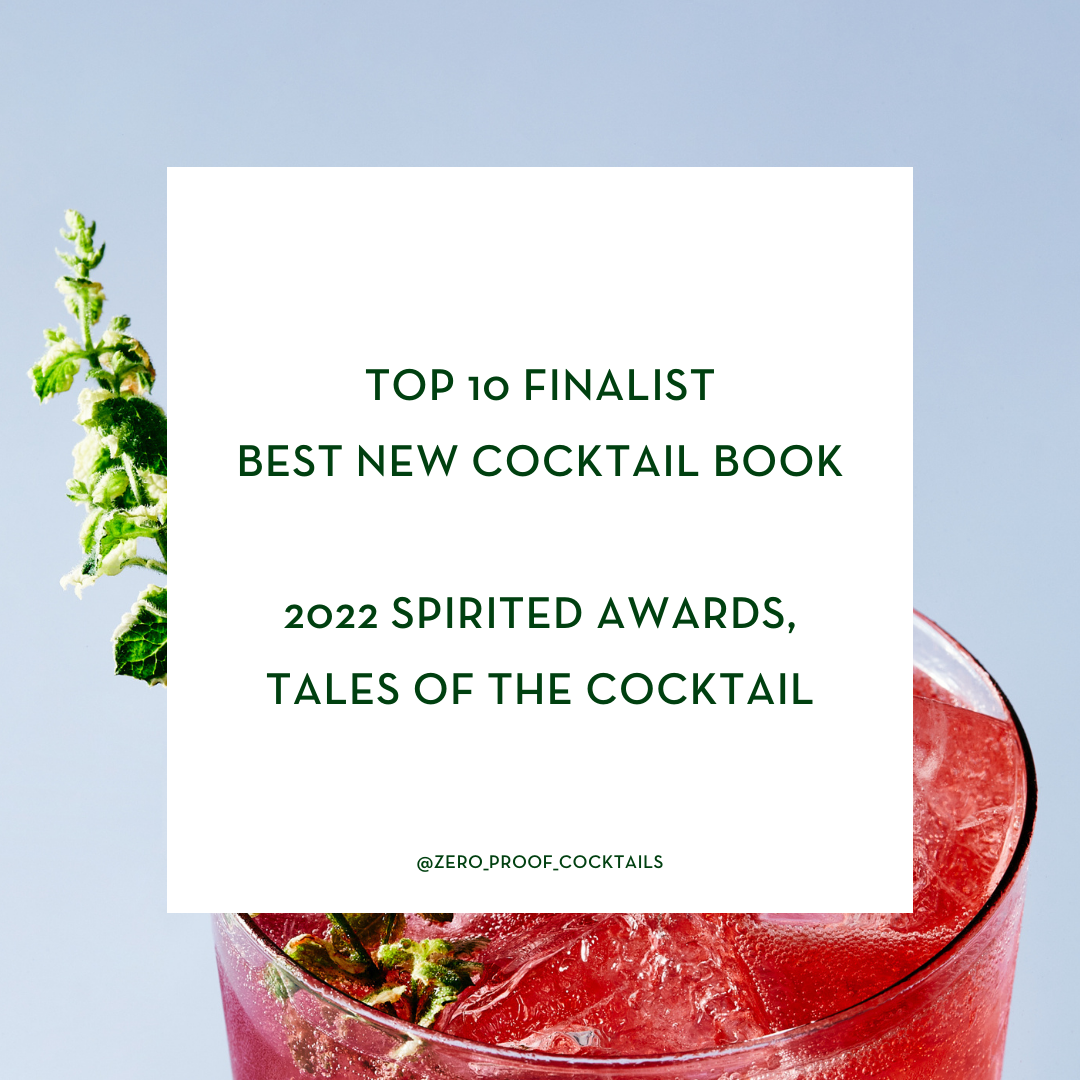
Top Ten Finalist, Best Cocktail Book, Tales of the Cocktail
Welcome (and surprising!) news! Zero Proof is a top 10 finalist for this year's 2022 Spirited Awards, in the Best New Cocktail Book category at Tales of the Cocktail. ( *insert air horn and confetti 🎉*)
Supremely honored and deeply humbled to be included alongside so many industry people that I deeply admire.
The Zero Proof feed has been quiet (I know! Sorry!) but hoping to work up more videos, recipes and short blogs *very* soon.
Thank you to everyone who follows this account and for everyone who has supported my small but growing Team Zero Proof.
🌼🥃🌿 #teamzeroproof
Zero Proof Recipe: Everbee

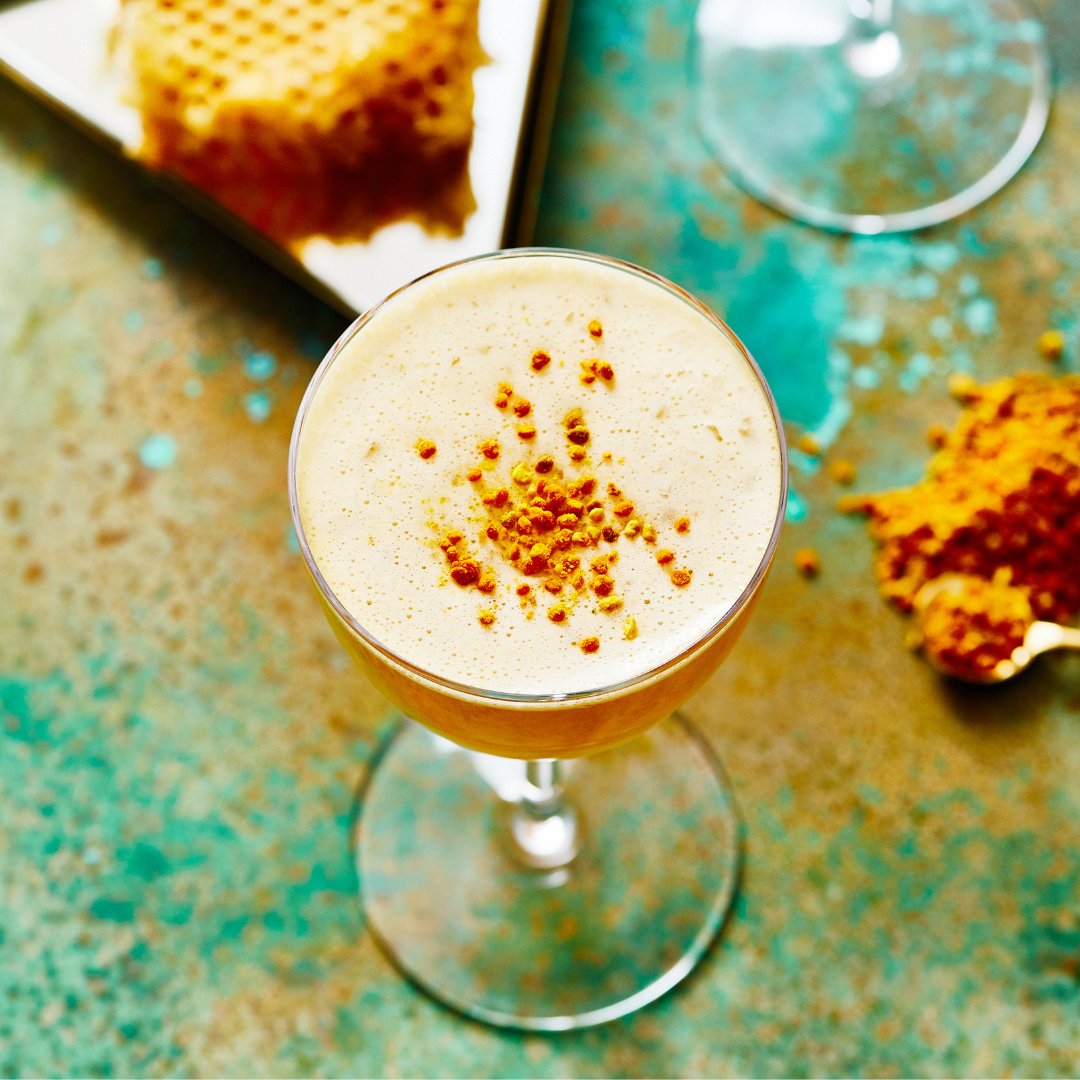
That hint of spring flowers in the air brings to mind bees and wild honey. This zero proof drink, created for the book by Everleaf Aperitif founder Paul Mathew is delightfully well-rounded and polished with a refined floral dryness.
Bee pollen gives this drink a dense nuttiness that filters the honey into an element that’s more than merely sweet.
“We’ve seen a lot about the importance of bees as eco-system pollinators,” he told me. “This drink is a celebration of the part bees play in making sure Everleaf’s plants are around forever.”
You can find the Everbee on page 123 of the book, alongside over 80 more recipes.

In a cocktail shaker, combine the aperitif, cordial, and verjus and shake. Strain into a chilled 6-ounce Nick and Nora glass.

Lightly toast the bee pollen in a small saucepan to release aromas, about one minute. Add the water, lemon peel, honey, and acid and bring to a simmer over low heat, without boiling, for 8 to 10 minutes. Set aside to fully cool, then strain and refrigerate for up to 2 weeks.
Nearly 8 in 10 Zero Proof Consumers Also Buy Liquor, Wine and Beer

Do you like zero proof drinks but also still haven't given up the occasional gin-and-tonic or a glass of Champagne? You're not alone. (Also: Same.)
I've written about this before but the vast majority of the momentum behind the zero proof movement is led by consumers who still drink.
Last fall, NielsenIQ reported that in 2021, nearly 8 in 10 zero proof consumers still also drink alcohol.
Strong sales for non-alcoholic products are driven by health and wellness trends but also innovation. While non-alcoholic beer has existed for some time, the expansion of the category into premium spirits, aperitifs and ready-to-drink cans has pulled in consumer interest.
Consumer demand for zero proof suggests that people are motivated to limit the impacts of drinking, and they are making decisions that favor taste over buzz.
In 2021, non-alcoholic sales notched $331 million, up 33.2% from the year prior, according to NielsenIQ.

Zero Proof Recipe: Morning Glory
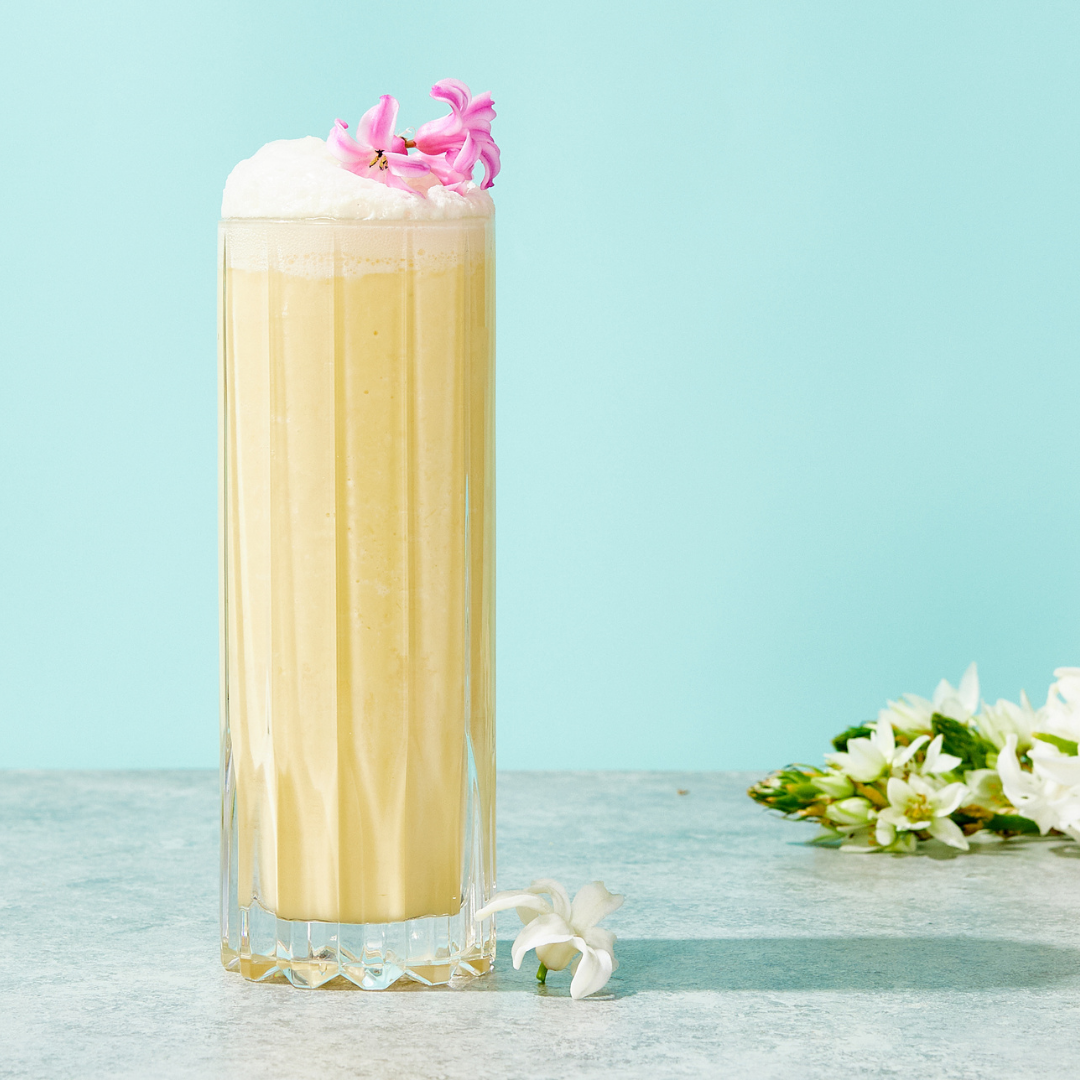
Fizzes, or drinks made with egg whites, are part of a long tradition of light drinks designed for brunch and daytime sipping. One of the most famous fizzes of them all is the Ramos Gin Fizz, which is beloved by bartenders (it’s so creamy and delicious) but also despised by bartenders (it takes a long time to shake properly, which can be a killer on a busy bar night).
In this zero proof twist on the classic, there’s no gin but the introduction of orange juice cubes amps up the citrus-and-cream allure of the drink. Shake it until you’re tired, then shake it again.
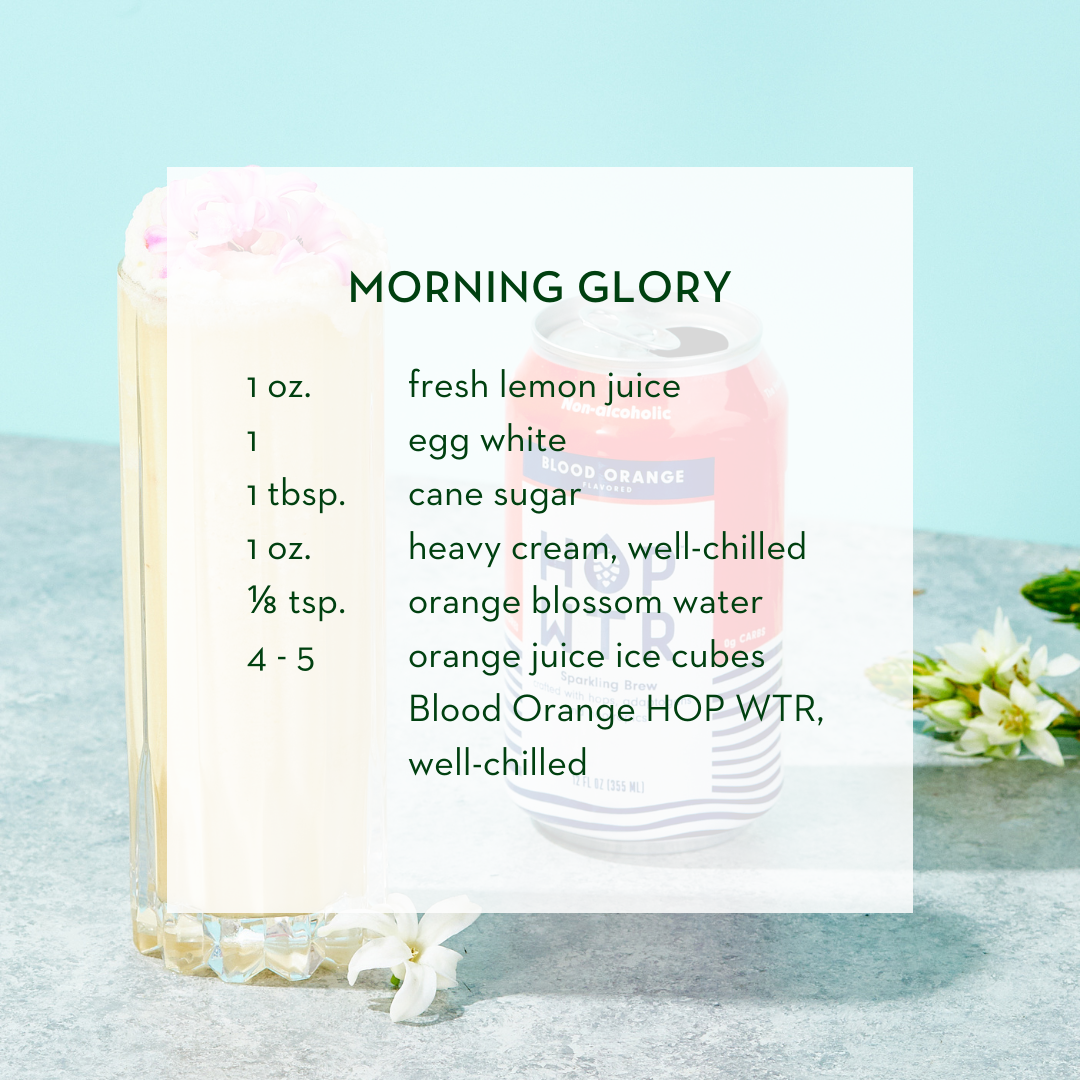
This drink requires two shakes, a dry shake and then one with ice.
Combine lemon juice, egg white, sugar, heavy cream and orange blossom water in a tin and dry shake briskly to emulsify the liquid. Add the orange juice ice cubes (about 4 cubes) then shake again (about 3 minutes) until the ice stops rattling in the tin and the drink is frothy and very creamy. (This might take several long shakes; if you get tired, take a 5-second break, then keep going.)
Pour into a Collins glass and fill nearly to the top. Place the drink in a freezer to set and harden slightly. Temperatures will vary but check it at about 7 - 10 minutes. As it hardens into a meringue, it will rise when the water is poured on top.
Remove the drink from the freezer. Slowly pour Blood Orange HOP WTR to top. Serve with a straw.
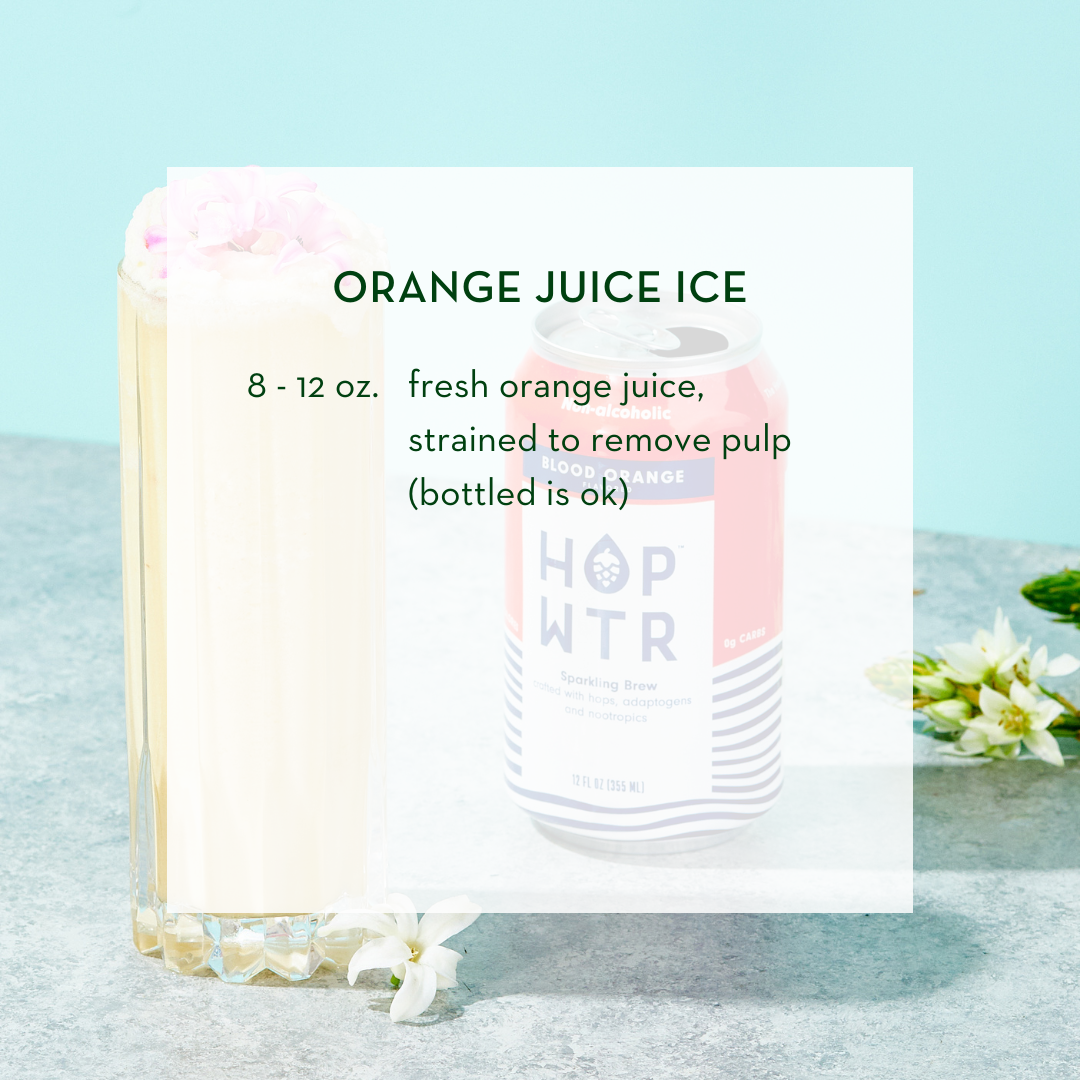
The exact amount of juice needed will vary based on the size of your ice cube trays. Pour orange juice into a clean ice cube tray and freeze until needed.
Using orange juice ice cubes in this drink will chill the liquid, and add a touch of flavor but keep the amount of extra dilution down. This is a way to introduce flavor without watering down the drink, which would be the case with regular ice cubes.
Zero Proof Recipe: Digital Nomad

New recipe drop: Check out the Digital Nomad.
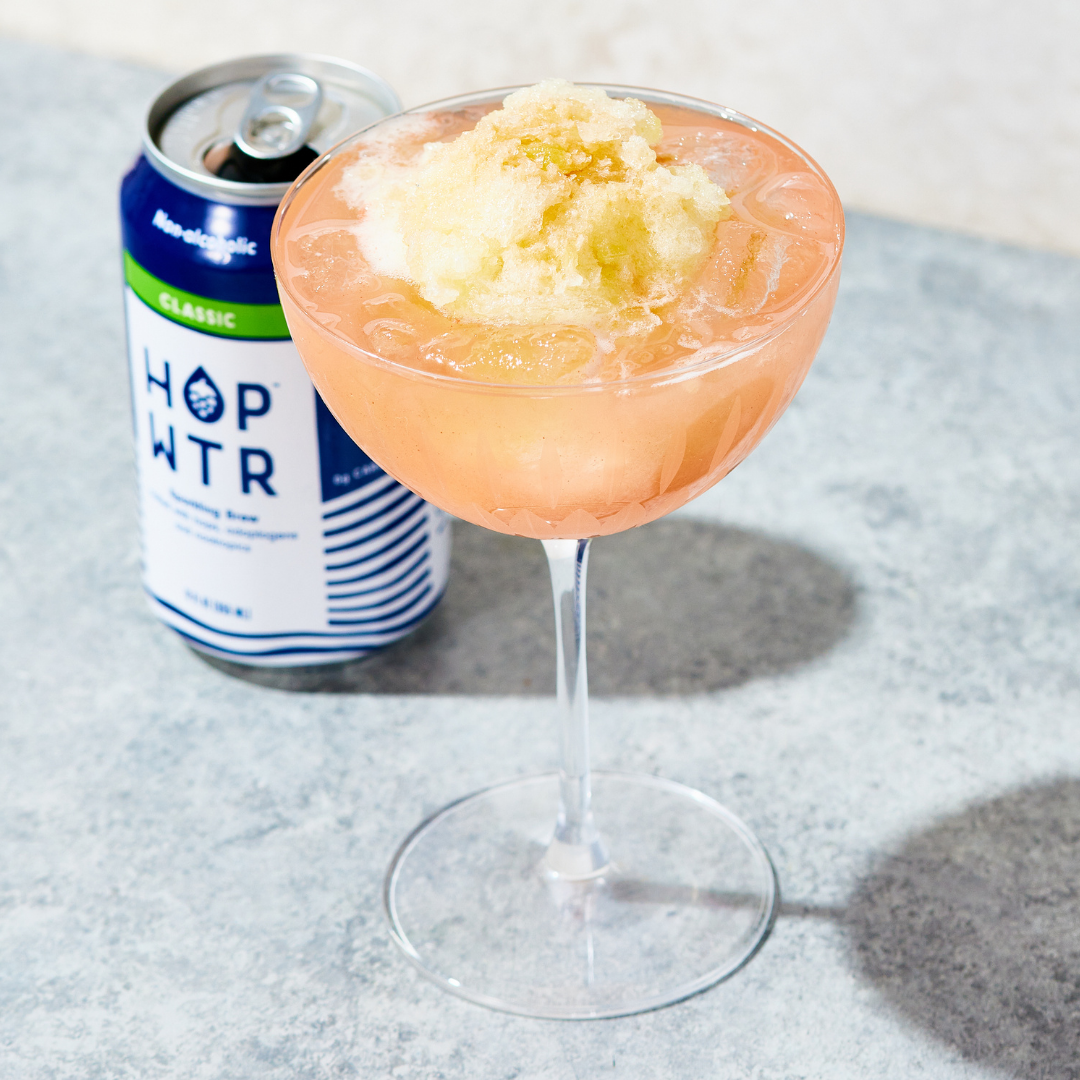
A recipe for pineapple sherbet in an 1891 cocktail book serves as the inspiration for a zero proof riff on shaved ice, with tasting notes that temper the zing of citrus with a whisper of chocolate and the sparkle of classic HOP WTR (@hopwtr), a hops-infused fizzy water.
The result: A drink that’s as pleasant in the early afternoon as it is late at night, and appropriate for any season, whether it’s a cold winter or a bright summer day.

Remove sherbet from the freezer and let it soften slightly (about 10 - 15 minutes).
In a mixing tin, combine grapefruit, agave and several ice cubes. Shake until mixture is cold and well-combined. Open tin, add about 1 ounce of HOP WTR, swirl in the tin.
Pour mixture, including ice into a couple
With a spoon or knife, break up the frozen sherbet to make ice shavings. The slushier, the better. (Think of how one makes sno-cones or shaved ice.) Gently gather the ice shavings in a spoon or jigger, then place in the center of the drink. The ice shards don’t have to sit packed in the jigger, they will be slightly fluffy.
Add several dashes of chocolate bitters, and serve.

Combine juices and water in a plastic quart container. Cover and freeze.
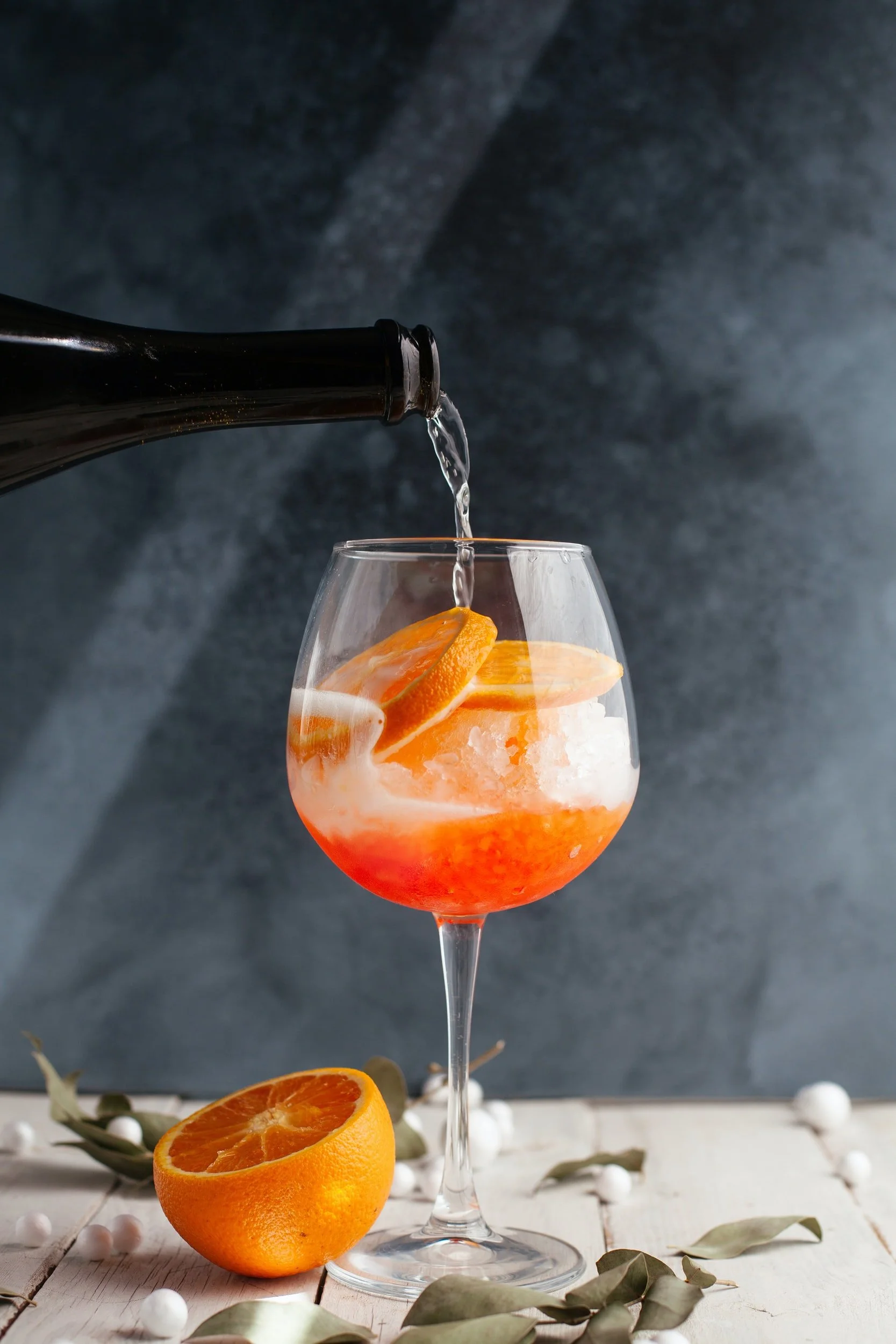
You Don't Have To Do Dry January, You Get To Do Dry January
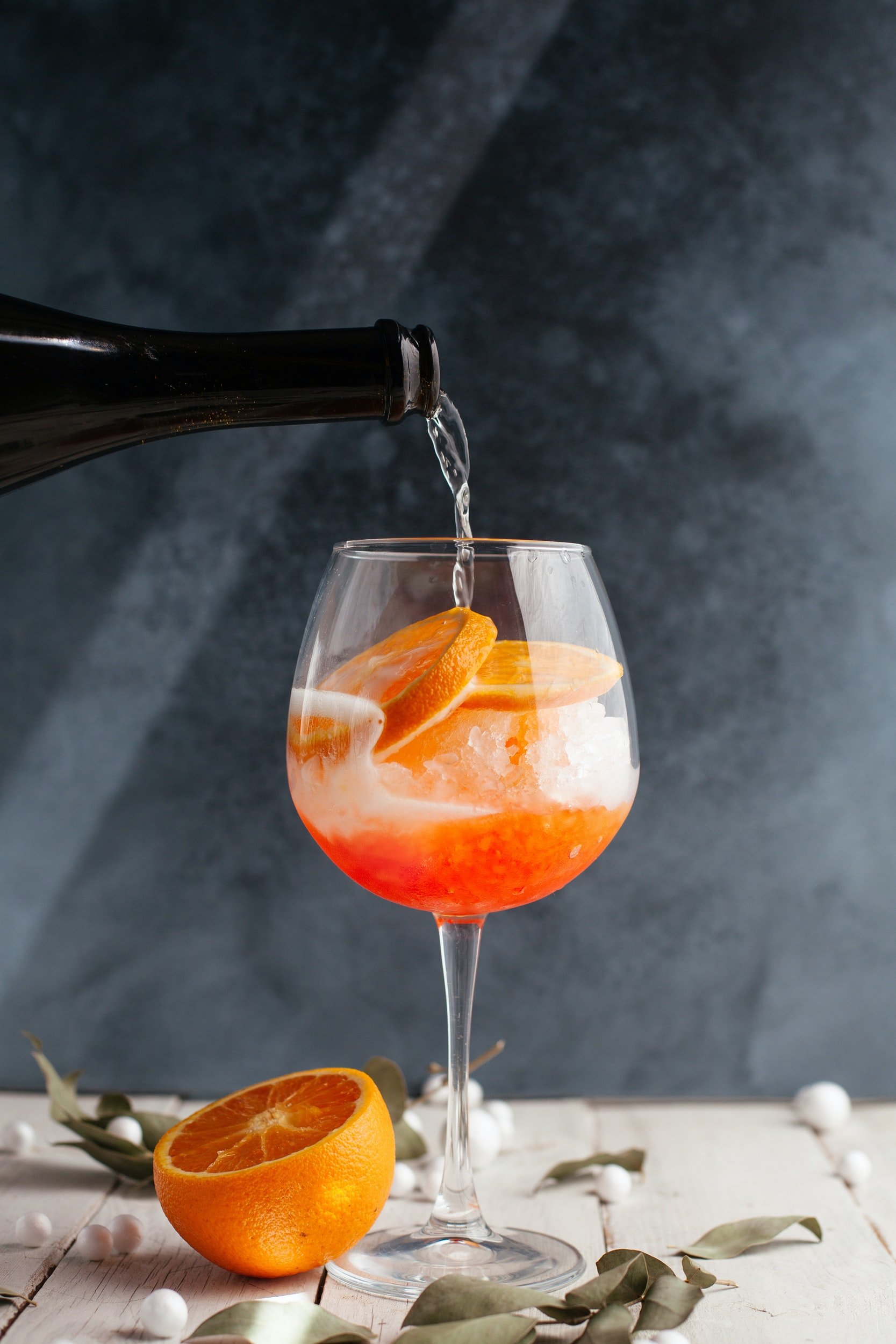

Originally published in Drink Monday blog.
As a reporter and the author of “Zero Proof: 90 Non-Alcoholic Recipes for Mindful Drinking,” I get hundreds of emails, comments and DMs about Dry January. Here’s the trend I’ve noticed: Most people begin by framing Dry January in a negative way. Typical emails and blog posts offer ways to “survive” Dry January, which is “a month of social exile” and is all but fated to be “boring.”
This type of attitude, that Dry January is something joyless to be gotten through, only reinforces the idea that alcohol is the default setting for good times, and everything else is lacking. Describing taking a month off of drinking with phrases like “social exile”, “survival” and “boring” paint Dry January in bleak terms that suggest it’s only meaningful when it’s over.
Those ideas are, frankly, the wrong attitude.

My favorite fitness instructor will often tell the class that you don’t have to work out, you get to work out. He will point out that being able to move freely, to dance even, is about finding joy, not focusing on tedium or even the short term pain of squats and planks. Changing that perspective, transforming repetitive lifts into mindful moments, can really make an impact in how one approaches daily workouts. I find this grateful-to-be-here attitude gives me a mental kick even if my body isn’t always entirely energetic at the moment. What happens next? You do the workout and you feel great afterwards.
In a similar way, this kind of thinking can apply to Dry January. No one has to do Dry January. You get to give yourself a drinking re-set.
There will be no suffering in social exile, but if you go into Dry January expecting it to be dull, maybe it will be.
Rather, if you think of Dry January as the re-set that it is, and approach it as a gift of mindfulness, not only will it be easier to do, but you may discover new things about yourself. A month off is a great time to build new habits or tricks that will resonate if you do go back to the occasional drink in the post-January months.
Everyone’s journey is different, but a positive attitude really does make nearly everything easier to tackle.
No Amount of Alcohol Safe for Heart, Study Finds
There's no such thing as a healthy amount of alcohol when it comes to heart health, according to the World Heart Federation.
In a report published on Jan. 20, the WHF “is challenging the widespread notion that drinking moderate amounts of alcohol can decrease the risk of heart disease, and calling for urgent and decisive action to tackle the unprecedented rise in alcohol-related death and disability worldwide.”
“Contrary to popular opinion, alcohol is not good for the heart,” the WHF states. Despite (or perhaps, because of) media messaging about “healthy amounts” of drinking, the rates of cardiovascular disease have nearly doubled in the 2000’s, claiming over 18.5 million lives. In 2019, over 500 millions of cardiovascular disease were reported, while 2.4 million deaths were linked to alcohol use.
The report, which cites over forty studies and global research by the World Health Organization and others, argues that alcohol abuse cuts across country and demographic lines. In particular, pervasive messaging about “healthy amounts of drinking” targets young drinkers. Among the WHF’s recommendations: Treat alcohol like previous generations treated Big Tobacco. The WHF recommends public health campaigns, raising prices and taxes, printing health warning on products and restricting alcohol marketing, especially when targeting younger adults. Finland, for example, banned alcohol advertisements on social media.
That said, the WHF report has some critics, who point out that the organization cherry-picked its findings. The American Heart Association tells CNN that they promote “moderation.” “We concluded that if one doesn't drink alcohol, do not start; and if one does drink alcohol, limit intake,” Dr. Mariell Jessup, the chief science and medical officer for the AHA, said.
While the merits of the study may yet still be debated, one quote in the WHF report resonates: “The portrayal of alcohol as necessary for a vibrant social life has diverted attention from the harms of alcohol use.”
Zero Proof Recipe: Spice World Tour

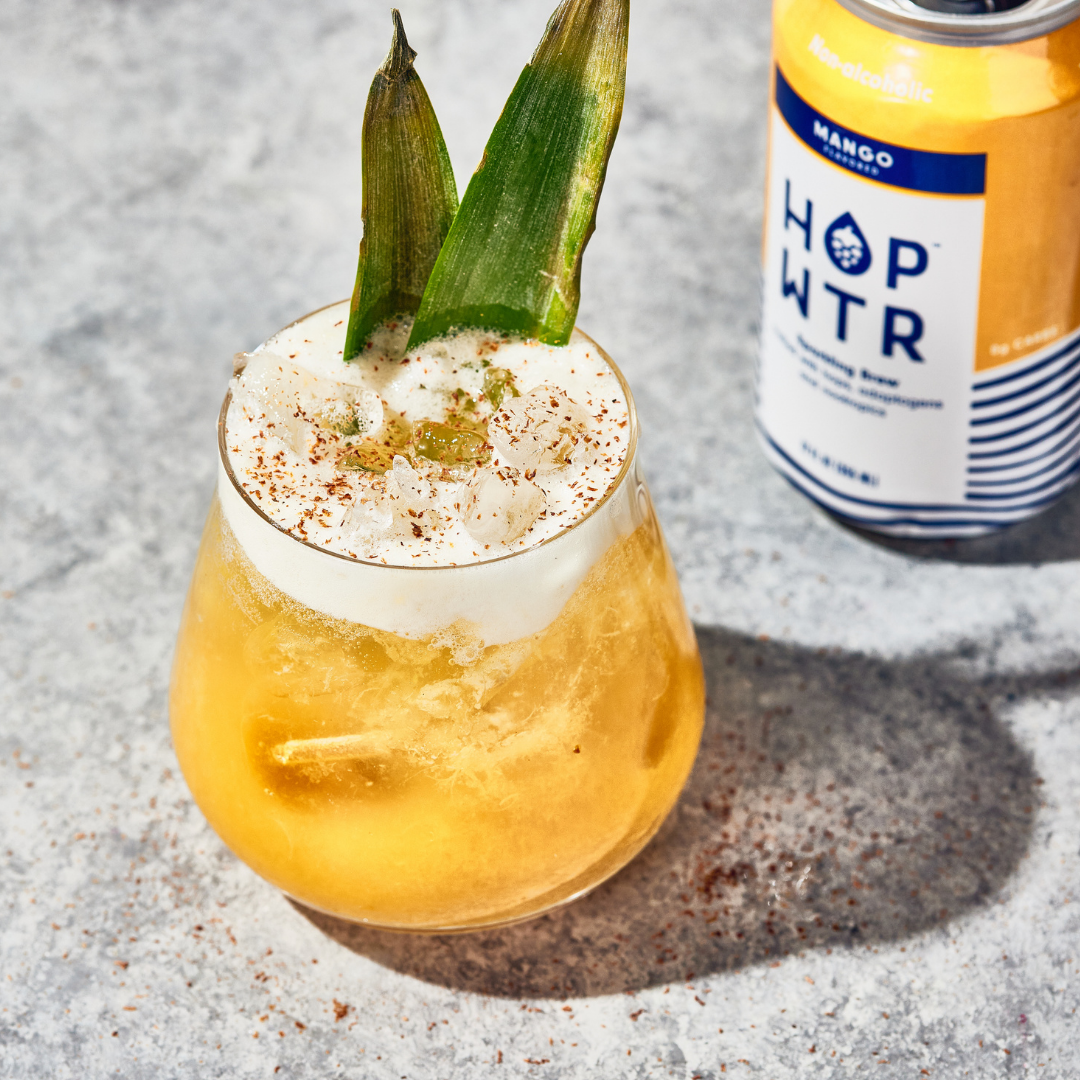
New recipe drop: Pineapple spice is what you want, what you really, really want. Pineapple shows up often in zero proof drinks because of its built-in sweetness and its lively froth, but also due to its carefree, escapist connotations.
In this new recipe, Spice World Tour, I pair pineapple and a rich homemade spiced syrup with the tart zing of Mango HOP WTR. Having friends over? The Spice World Tour is just thing to please all of those personalities at once.
Shake it down, wind it all around.

In a shaking tin, combine juices, syrup and several ice cubes. Shake briskly until well-combined and thoroughly chilled.
Pour mixture and ice into a glass, then top with scoops of crushed ice. (see note) Slowly pour Mango HOP WTR (about one ounce) to top. Set can aside to top off, as needed.
Garnish with fresh grating of cinnamon across the top.
Note: To make crushed ice, place a handful of ice cubes on a clean dish towel. Wrap ice tightly into a small bundle, then hit the bundle on a counter with a hard object (metal water bottles work well). Continue until all the ice has splintered into small shards. Scoop up the small bits of ice with a spoon.

In a medium saucepan, add water, the coconut flakes and the spices. Heat gently over very low heat, then add the sugar and stir until fully dissolved. Cook over very low heat (at the lowest heat seating) for about 20 minutes. The mixture should never boil.
Remove from heat, set aside to cool. Set aside to infuse in a container, ideally overnight. Strain and discard solids. Keep syrup in the refrigerator.
Global No- and Low-Alcohol Market Nears $10 Billion in 2022

More than just a passing trend, the no- and low-alcohol market is now valued at just under $10 billion, according to new research by IWSR Drinks Market Analysis.

Key findings from the newly released report show that the no- and low-alcohol sector sustained momentum in 2021, even as bars across the country re-opened.
The no- and low-alcohol sector continues to outperform full-alcohol across ten key global markets. Sales grew by 6% in volume over the last year, and now represent 3.5% of the total alcohol market. (An earlier IWSR report predicts that the category will grow to 30% within the next few years.)
What's behind the strong sales? Moderation.
Nearly half (43%) of consumers in these markets said they switched between no- and low-alcohol options and full-alcohol drinks. Many said they chose a no- or low-alcoholic drink because they were trying to avoid the effects of liquor.

Only 17% of consumers surveyed avoid alcohol completely. In the U.S., an estimated 23% of no/low drinks abstain from alcohol.
The most surprising finding: Most consumers prefer no/low drinks in the day or during the early evening but not late at night. "Only 5-6% of no/low consumers drink it after 11 p.m.," IWSR's press release says. "Many no/low brands targeting late night partying and dark spirits occasions have found it tougher to gain consumer acceptance."
That said, the strength of the no/low sales point to quickly-evolving social mores.
Once dismissed as a fad or something to be embarrassed about, the no/low category is finally gaining what it has sought all along: Respect in the marketplace.
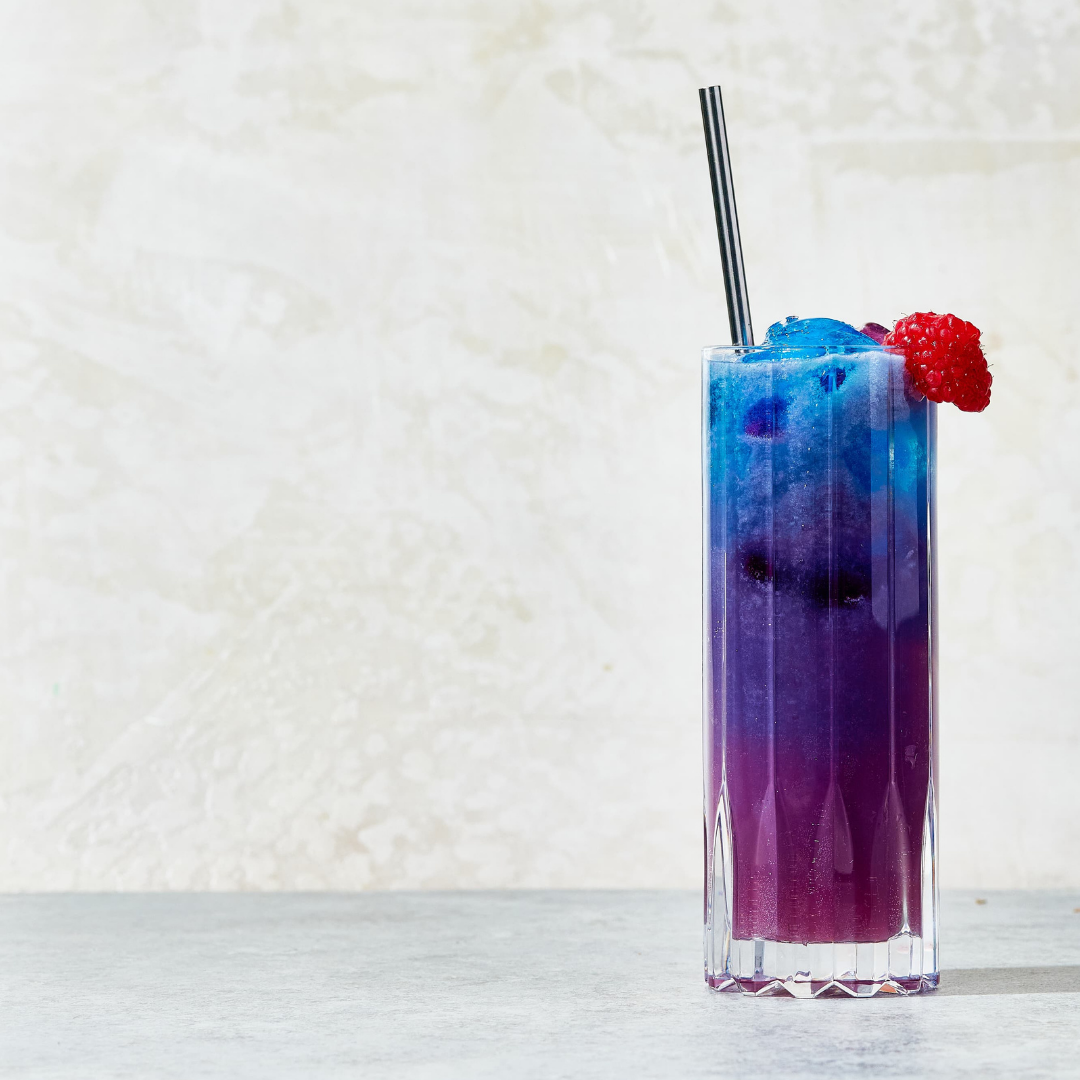
Zero Proof Recipe: The Mood Board

No filter needed when you're this cute. My newest recipe, the Mood Board, is inspired by the Queen Charlotte, a Temperance cocktail featured in Cocktail Boothby's 1891 bartending guide.
The Mood Board features two kinds of colored ice, a sprightly raspberry syrup and a kiss of orgeat. It was designed for the social media spotlight.
This drink was created in partnership with the lovely folks at HOP WTR, a sparkling hops-infused water.

In a mixing tin, combine raspberry syrup, orgeat, lime juice and several colored ice cubes. (Note: Wear gloves while handling the colored ice, as it will stain fingers temporarily). Shake briskly until well-chilled and most of the ice stops rattling in the tin. The longer you shake, the darker the color of the drink.
Open tin, add chilled Classic HOP WTR and swirl. Gently pour drink, including remaining colored ice, into a tall Collins glass. Serve with a straw.
Top off with more HOP WTR and fresh colored ice, as needed. The remaining ice will slowly melt, changing the color of the drink slightly.

In a medium saucepan, combine raspberries and water. Cover, then cook over the lowest heat setting for one hour. The raspberries will turn pale, while the liquid will be bright pink.
Remove from heat and let thoroughly cool. Strain away solids, gently pressing to extract liquid. Measure the remaining liquid; whatever the new volume s, add an equal amount of sugar. For example, you may likely get ¾ cups of liquid after straining away the raspberries. In that case, add ¾ cup sugar, then stir until fully dissolved. Store in the refrigerator.

In a small saucepan, heat water to just under boiling. Pour water into two heat proof containers. Add multiple drops of purple dye in one container, and blue dye in the other. The more dye you add, the brighter the colors will be. Typically, about 4 - 5 dashes will get the water deeply tinted.
Pour purple water into one ice cube tray, and the blue in the other. Set aside to freeze until needed. Note: An ice tray with smaller-sized cubes, such as petite spherical molds, works very well for this versus larger molds.
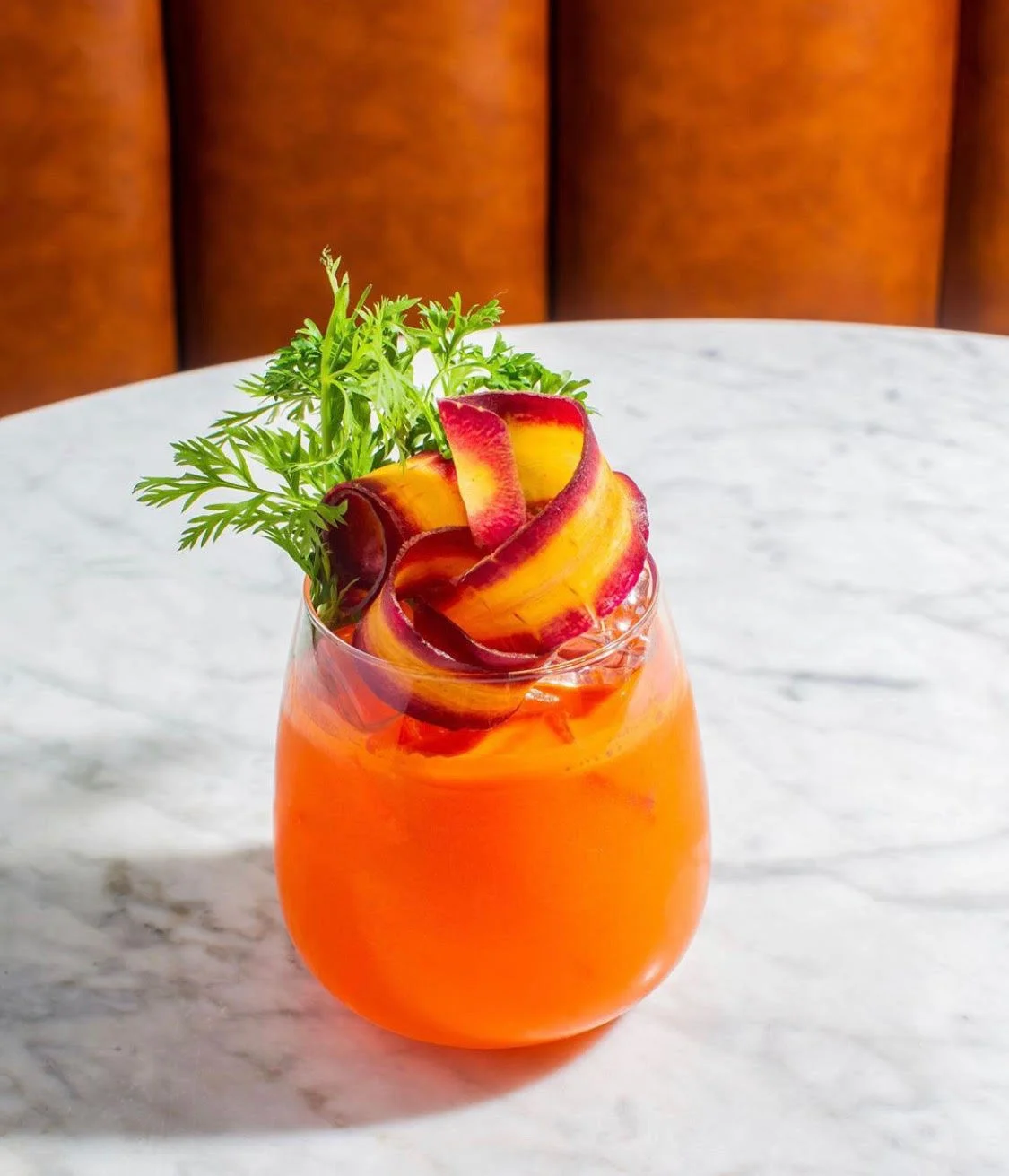
Zero Proof Recipe: Carrot Spritz

Dry January is a time to discover new flavors and styles. I dug deep into my archives to showcase this sprightly drink that unfurls the promise of spring in the dead of winter.
New York's acclaimed The Fat Radish has now closed but it lives on in my heart as one of the earliest venues that gave zero proof drinks the attention they deserve. The Carrot Spritz, by Gaby Mlynarczyk, adds a spike of ginger to fresh pressed carrot juice and the warming notes of vanilla. Give it a whirl -- you won't regret it.

Add carrot juice, ginger syrup, lemon juice and vanilla to a mixing tin filled with ice. Shake hard to combine and chill.
Pour ginger beer into shaker, and swirl to combine. Strain into chilled glass filled with ice.
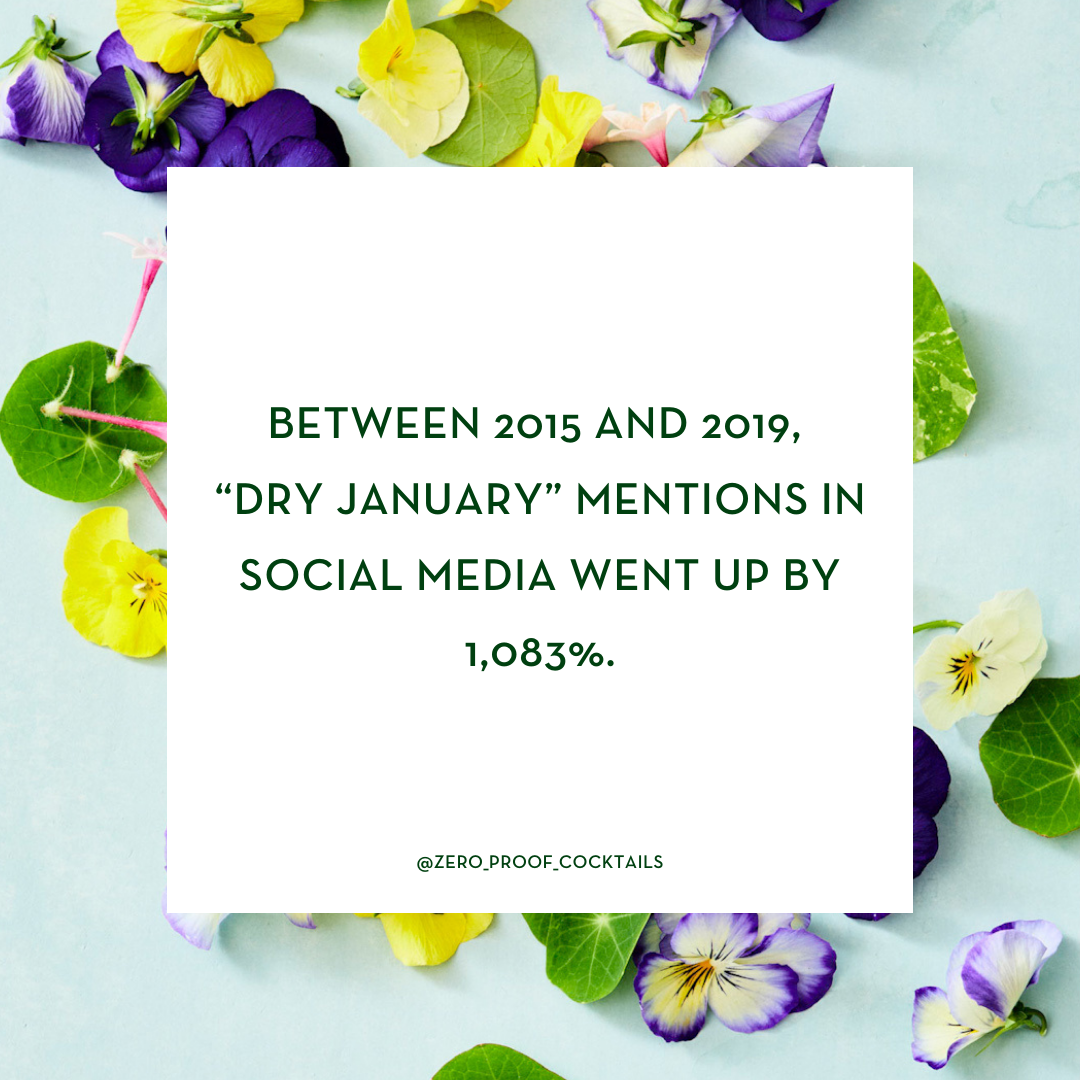
Dry January Mentions Soared By 1000% in Four Years
When did you first hear about Dry January?
If taking a month off of drinking feels like it's become a regular part of each new year, that's because the conversation has increasingly grown over time, especially on social media.
Is there a point where Dry January will be over-saturated? Or has it woven itself inextricably into the contemporary wellness culture?
The sharp rise in interest in all things Dry January suggests it's not just a fad but a long-term trend. That said, at some point, even the strongest trends fade.
My version of a prediction: People will continue to do Dry January, but will evolve it to take time off drinking on their own terms, like "every three weeks of each month" or "every other two months."
However, you do it, do it on your own terms and find what works for you.

Zero Proof Recipe: The Sober Rabbit

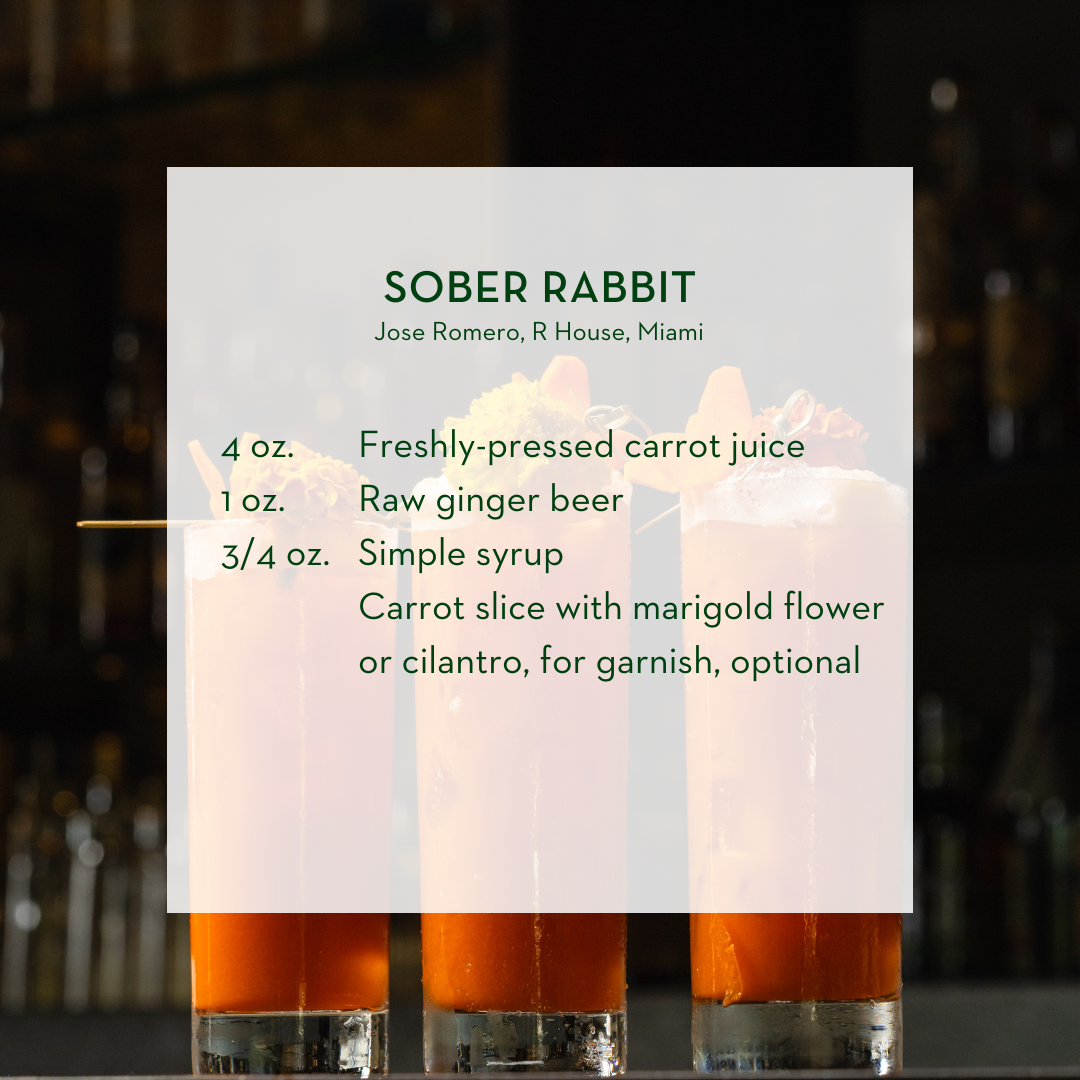
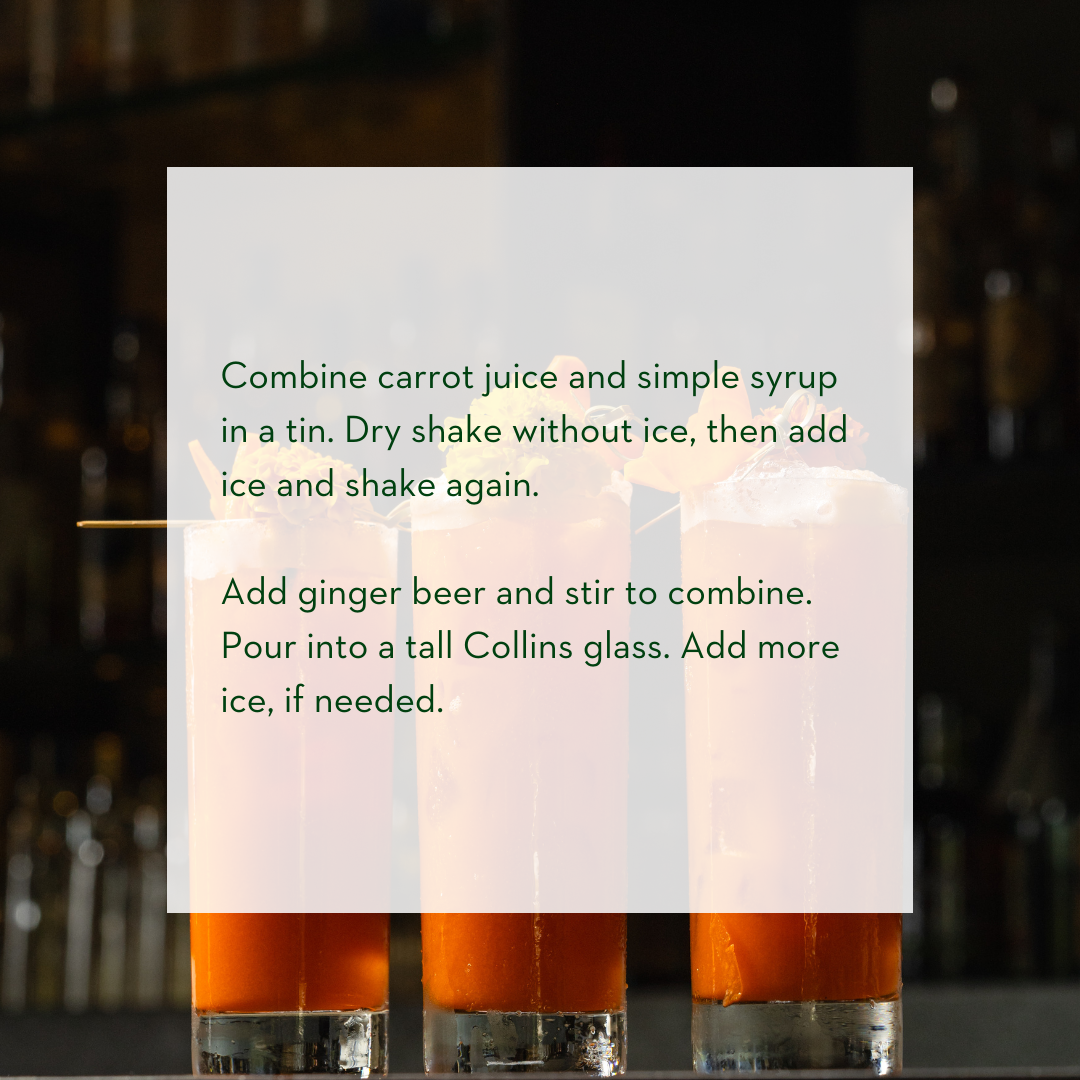
Dry January is a time for bartenders to shine. It's also a chance to showcase some of the best zero proof drinks that cross my radar.
Case in point: The Sober Rabbit, courtesy of Jose Romero, from R House in Miami's Wynwood district.
2021: Over Six Million Tried Dry January

Over six million people reported they tried Dry January last year.
Despite (or perhaps because of) news stories about people drinking a lot during the pandemic, a record amount signed up for a month of alcohol abstinence in 2021.
Will the trend continue upward this year? I'd bet a solid yes. Mostly because many people do Dry January on their own terms and don't sign up officially to be counted. (This number comes via the official Dry January app.)
If Google search trends are any indication, interest in the topic in the US spikes up every first of the year.

Zero Proof Recipe: Red Scarf Season

Did someone say Dry January? I got you. Stay tuned for new recipes, tips and more.
Whether it's your first Dry January or not, here's a new recipe to kick off this month of austerity, fresh starts and shiny new beginnings.
Mulled apple cider is one of the timeless joys of the winter season. For your next cozy session, make the Red Scarf Season.
While many spiced apple cider drinks lean into a sweet tasting profile, this recipe plays up the savory potential in cider.
Five-Spice powder (cinnamon, fennel, cloves, star anise, white pepper) amps up the umami tones while sumac berries lift the drink with bright tartness. For the adventurous, add a pinch of cayenne pepper to bring the drink to a well-rounded, lingering finish
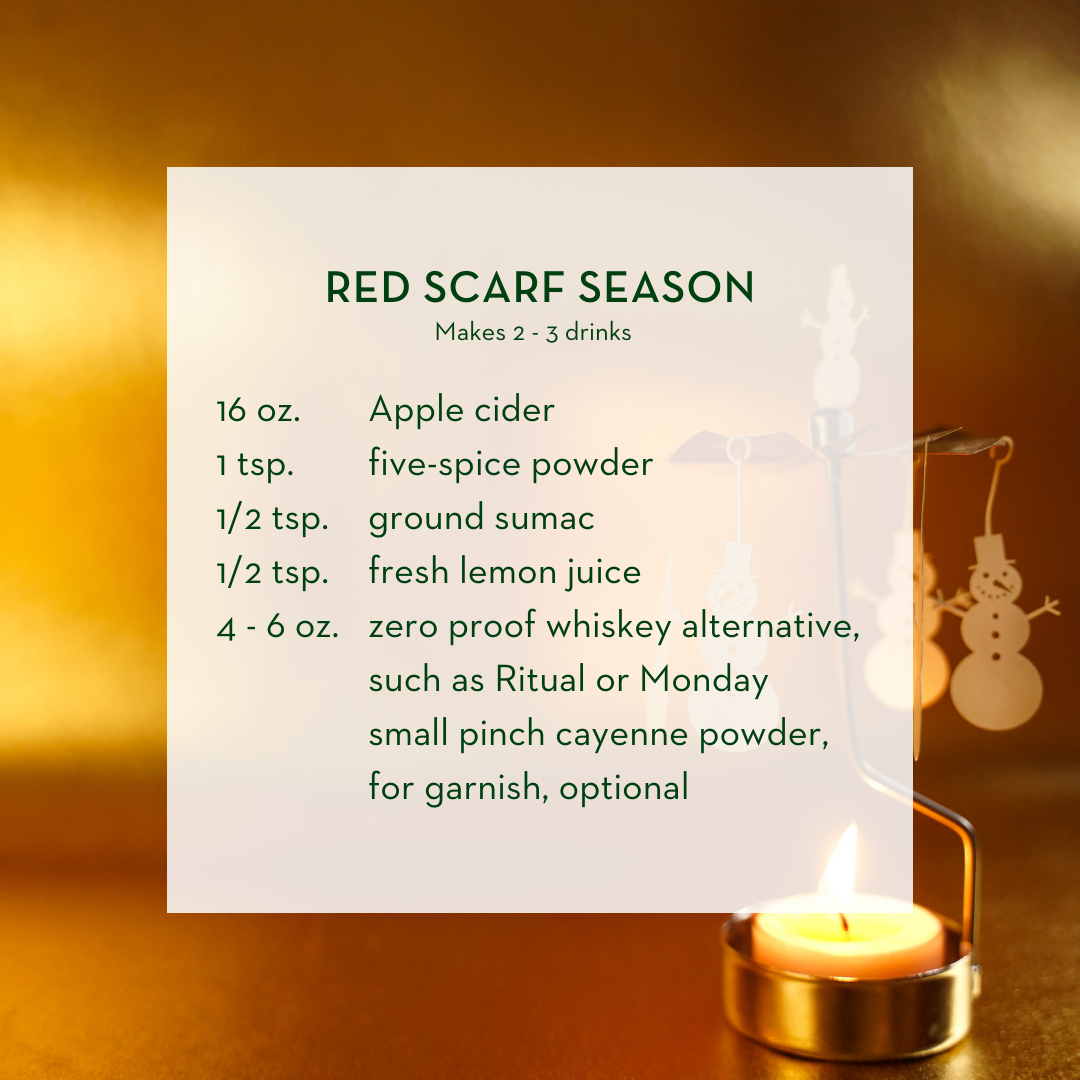
In a small saucepan, add apple cider, sumac and 5-spice powder. Warm on the lowest heat seating. Cover and let infuse over lowest heat setting, occasionally stirring, for 30 minutes. Do not boil.
Remove from heat. Fill mugs about halfway with warm cider (between 3 - 4 oz per drink). (You may have spiced cider leftover.) Add 2 ounces of alt-whiskey per mug and stir to combine. Add a small pinch of cayenne powder as a garnish, if desired.

Zero Proof Recipe: The Nakatomi Tower

Team Zero Proof, meet the Nakatomi Tower, a mulled zero-proof wine drink. Yes, this is named after the setting of The Greatest Christmas Movie of All Time (That Is Not ‘Home Alone’).
Like its namesake, this drink is lively and complex from the jump, with an unexpected, satisfying finish.
This elegant zero-proof warm wine drink features POM pomegranate juice, Lyre’s Italian Orange and black smoky teas.
It opens with sprightly, juicy berry notes. It has a backbone of seasonal spices and a surprising dryness imparted by the smoky, complex black teas. Lifted and lengthened by the bitter orange finish, it has all the elements to become your annual holiday tradition.
This drink can be made for a party or mixed for single serves. Keep Tea Mix in the refrigerator until ready to serve.

In a small saucepan, heat wine-tea mix on lowest setting until warm (do not let boil). Pour into a heatproof mug, then add the Lyre’s Italian Orange.
Stir to combine, and serve while warm.
Garnish with dried cranberries or raisins, if desired.

Combine all ingredients in a quart container and close. Fill a heavy saucepan with water and set at the lowest heat setting.
Place the sealed container in the pan. Let it infuse while sitting in the hot water for 30 minutes, or up to one hour. Do not let water boil.
Once infused, strain and set aside tea leaves. Tea leaves can be re-infused, with fresh POM and wine, at least two more times, but the flavor will soften with each infusion.
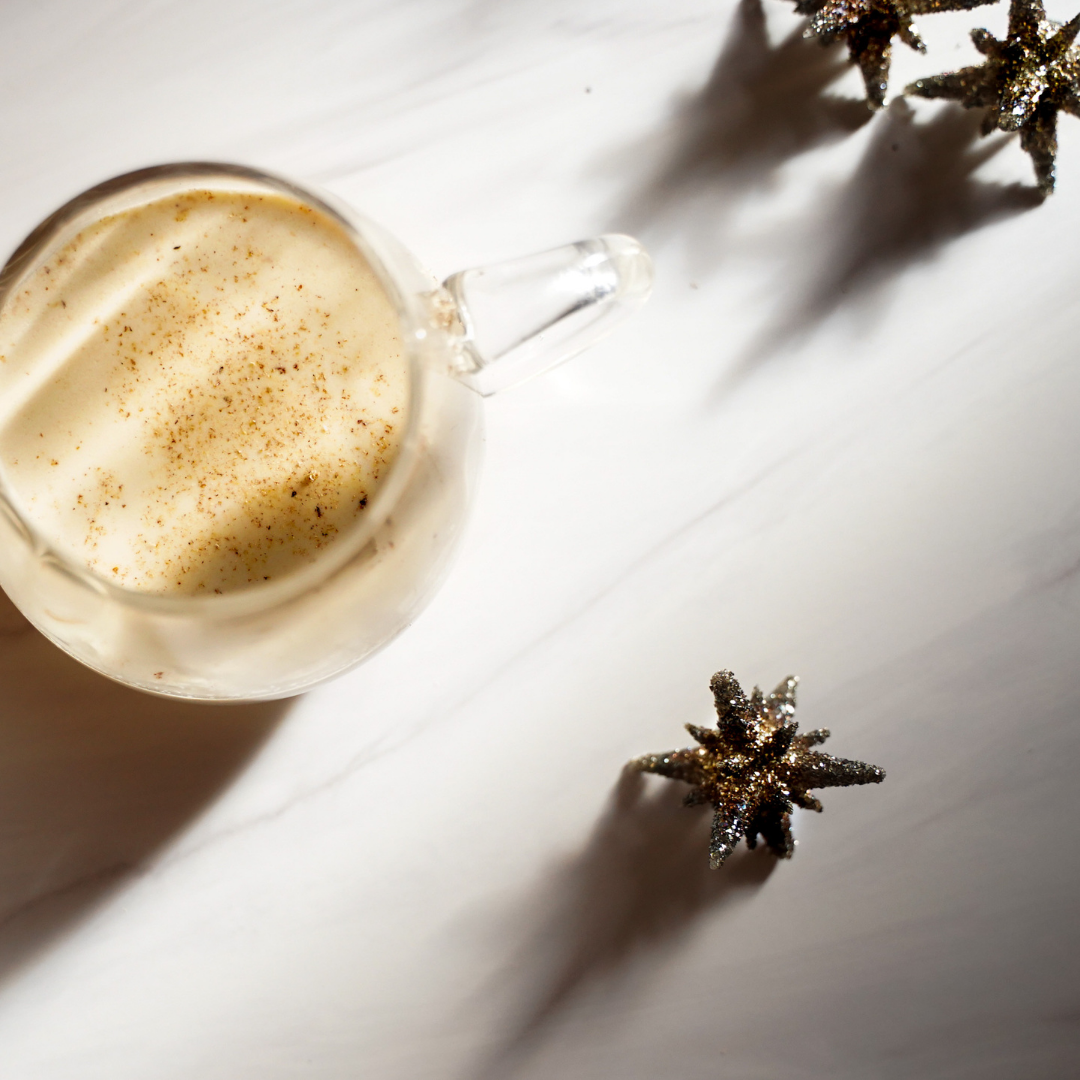
Zero Proof Recipe: Nog, Actually

Consider me an eggnog evangelist. A fresh nog is really one of my favorite things in the world, and I've sampled many versions of this ageless classic.
The best traditional eggnog recipes feature both fresh eggs and a healthy helping of booze, so a zero proof eggnog poses *a few* challenges. The availability of alt-spirits, such Lyre's Dark Cane rum alternative brings this drink into the zero proof era.
I have no doubt you’ll find this egg-less creamy drink both warming and decadent. Heavy cream, while certainly indulgent, will release those delicious warm milk aromas and carry the flavors better. I added oat milk so it's not *entirely* a glass of heavy cream.
Skip the urge to make substitutions and consider this your holiday dessert. This recipe can easily be doubled for two drinks, making it welcome company while watching the Greatest Christmas Movie of All Time. . . “Die Hard.”
Don’t @ me. I stand by it.

In a small saucepan, combine heavy cream and oat milk. Warm mixture on the lowest heat setting. Add vanilla, almond extract, sugar and pinch salt. Whisk often to combine. Do not let boil.
Once fragrant and warm, pour into a mug. Add Lyre’s Dark Cane Spirit and stir to combine. Garnish with a dusting of freshly grated nutmeg.

Zero Proof Lessons from Prohibition-Era Thanksgivings

“Will it be turkey -- plump and luscious; the more delicate milk-fed chicken; or a goose fattened for the sacrifice? Will your table groan under a huge roast of beef, a juicy leg of lamb or succulent pork?” The dishes, whichever you choose, don’t matter much, a 1921 ad said, as long as you paired dinner with the right drink.
But in Nov. 1921, the second Thanksgiving of the Prohibition era, wine and whisky were a no-go (at least openly).
A Thanksgiving newspaper ad that ran in the New York Tribune on Nov. 20, 1921 tried to solve that era’s hostessing conundrum: What do you serve for Thanksgiving dinner if you can’t serve wine?
The answer, at least according to this ad: An extra-dry ginger ale.

A Clicquot Club ad from 1922.
The Clicquot Club Ginger Ale is “a living, bubbling beverage that will add its share of joy to the occasion,” and it’s “a real Thanksgiving drink. Served cold enough to quench the most aggravating thirst, yet it has an inborn warmth that will not chill the body or the mind.” (In today’s terms, we’d describe Clicquot Club as a craft soft drink locally produced in Millis, Massachusetts.)
Ginger ale, root beer, sarsaparilla and birch beer, the early ancestors of today’s soft drinks industry, aimed to position themselves as the zero-proof stars of their time. Promising the same rich flavors of then-banned spirits, they were often positioned as delivering “warmth” of flavors without the inebriation of cocktails.
The Nov. 1922 Thanksgiving ad Clicqout Club ran promised a drink that would please many, and not dampen the celebratory mood. “It fits in so sociably with the mood of the day -- its good taste, its spicy fragrance, its lively bubbles -- they are all part of the jolly, happy merrymaking.” The central concept of the ad is an idea that rings true today: A successful zero proof drink aims to deliver a flavorful experience as much as it does provide a mood-lifting experience.
For a country long accustomed to serving wines during holiday dinner, the move to non-alcoholic Thanksgiving (and its ensuing questions about dinner pairings) required a learning curve.
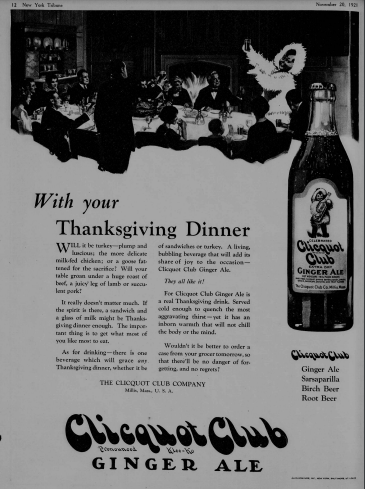
A Clicquot Club ad from 1921.
In 1916, just a few years before Prohibition went into effect in 1920, a typical newspaper ad in the Washington Herald read: “The turkey may be the piece de resistance of the Thanksgiving Day table, but wines and cordials are indispensable to the full measure of the day’s zest and enjoyment.” The company, To-Kalon, offered “wines that go well with turkey” such as Sauternes, Claret, Sparkling Burgundy and Champagnes and bottled Martinis, Manhattan and dry Martinis for $1.10 per bottle.
By 1921, however, hostesses needed new guidance. The Washington Evening Star’s Nov. 16 1921 “Women’s Page” section (ahem) published etiquette tips on holiday seating arrangements (siblings should not be seated next to each other) as well as a suggested holiday dinner plan. The paper’s ideal menu included iced grapefruit, oysters on the half shell, salted almonds and olives, as well as roast turkey with sage dressing and brown gravy, baked corn, cranberry jelly, baked potato cake and pumpkin pie, among other dishes.
What liquid goes best with this rich meal? “Sweet cider may be served with the dinner, or grape juice,” the editors note.
One hundred years later, the good news is that there’s never been more excellent zero proof options than ever, which is its own cause for celebration. For those who want to dip into a small glass of wine or whisky with dinner, that’s ok, too.
As today’s holiday gatherings begin to take shape, the focus, happily, is on celebration and conviviality, not what is or isn’t restricted on the dinner menu.
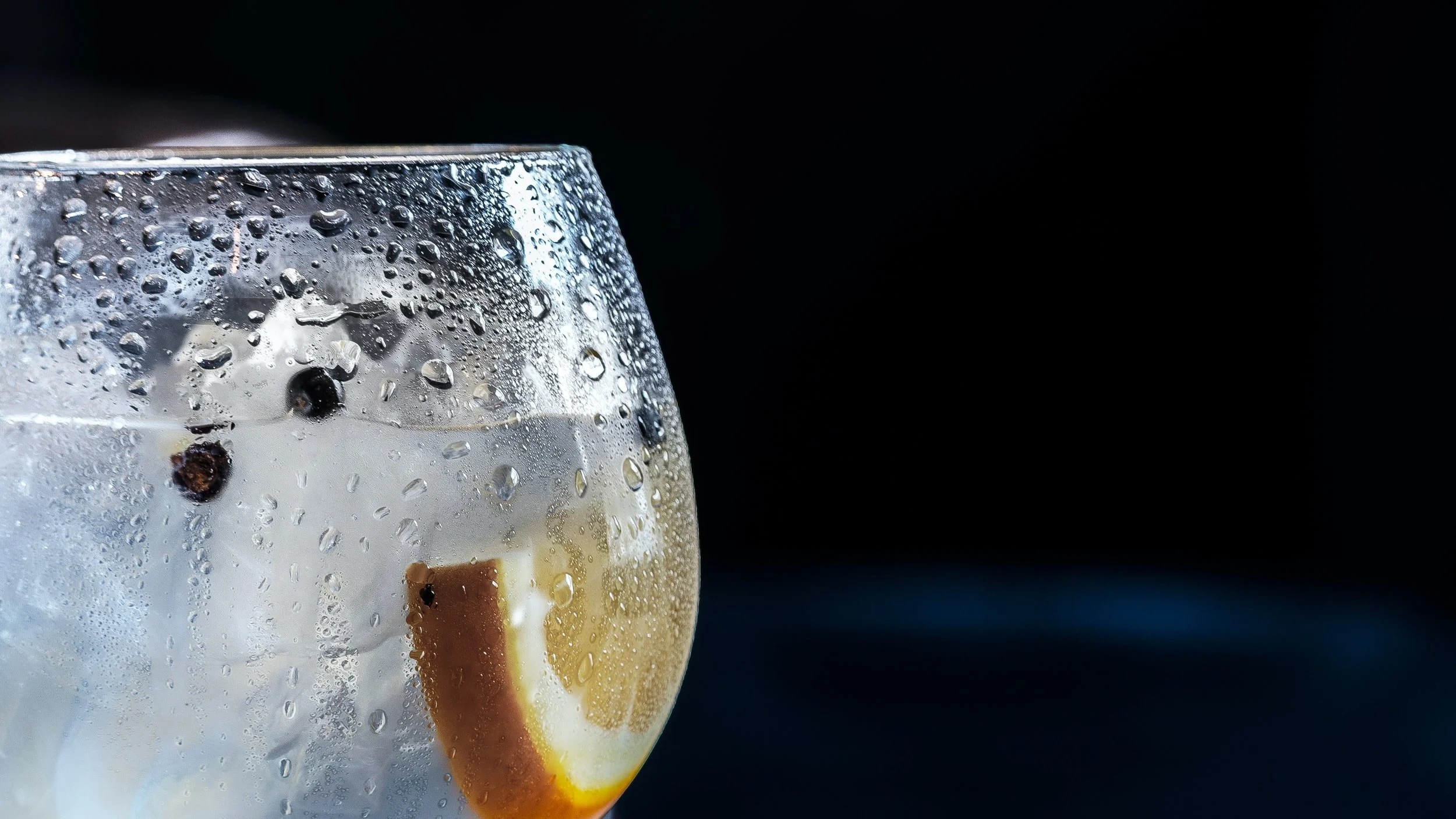
Why Water Gave Non-Alcoholic Drinks a Terrible Reputation

Why did it take . . *checks watch* until the 2020s for the zero proof movement to gain steam in America?
One reason, among many: Blame water.
It’s not entirely water’s fault, to be sure.

But water, at the time of the founding of the American colonies, had a worse reputation than whisky. With good reason: Drinking bad water was credited with the massive failure of the Jamestown colony, which was founded in 1607 as a sober community.
As I write in my book, “’Zero Proof: 90 Non-Alcoholic Recipes for Mindful Drinking”, early settlers did not set up a brew house when they landed, which meant they didn't have the technology to kill microorganisms. (The idea of boiling water to make it safe was still some decades away.) Settlers lived off river water, which had a high level of salt content, and gave themselves salt poisoning, among many other issues. So began a decline that led to mass starvation and death.
When Plymouth’s settlers arrived to set up their own colony in 1620, they made sure to set up a brewhouse nearly right away. A brew house, famously, was one of the very first structures that the Plymouth settlers built, with a public house that became the center of social, political and civic life. These early gestures begin the weaving of drinking with socializing in America, a practice that continues to this day.
For colonial settlers, fermenting beer, which was part of the first Thanksgiving meal, was a way to make water drinkable. For many decades, and even centuries later, people knew one thing: Drinking beer and liquor was, in some ways, safer than drinking water. Towns and cities in both the colonies and in Europe were beset with cholera outbreaks, for example, that originated at public wells and town pumps.
The advent of piped water helped lift water’s reputation. (Incidentally, the Roman Empire had mastered safe piped water in buildings and cities, but that technology was lost for centuries after the Empire’s fall.) By the colonial era, urban myths as well as documented illnesses linked to water, meant that drinking water (and tangentially, most non-alcoholic drinks) was viewed with suspicion, not entirely without reason.

By the late 1800’s, the popularity of sparkling mineral waters in America as well as Europe started to ease public fears. Cities such as Philadelphia added piped water to buildings at the start of the 1900s. But water was still sketchy enough that newspapers would often publish tips and advice on how to drink water.
A typical article from 1903, for example, tells readers about the best time to drink water (upon rising, before means and half an hour before sleeping). “Not more than two glasses of water or other liquid should be taken at meal time, and practically no water should be drunk when soup is served,” an article published on Sept. 9, 1903 in South Carolina’s Lancaster Enterprise said. “Water may be taken at the close of a meal, but if many glasses are drunk with meals, disorders of digestion may follow, in fact, the desire to drink copiously at meal time is often an evidence of indigestion.”
Public comfort with drinking water helped fuel the early temperance movements of the 1800s, which sought to make non-alcoholic drinking more socially acceptable. Many hurdles later, including surviving the vast unpopularity of Prohibition, the non-alcoholic drinking space is perhaps at long last, shaking off centuries of bad press. It’s been an uphill battle to be sure, but one reason it’s taken so long, besides the lack of quality options, was a built-in resistance to the non-drinker that goes back to before America was America.

Zero Proof Recipe: Amaro Apertivo
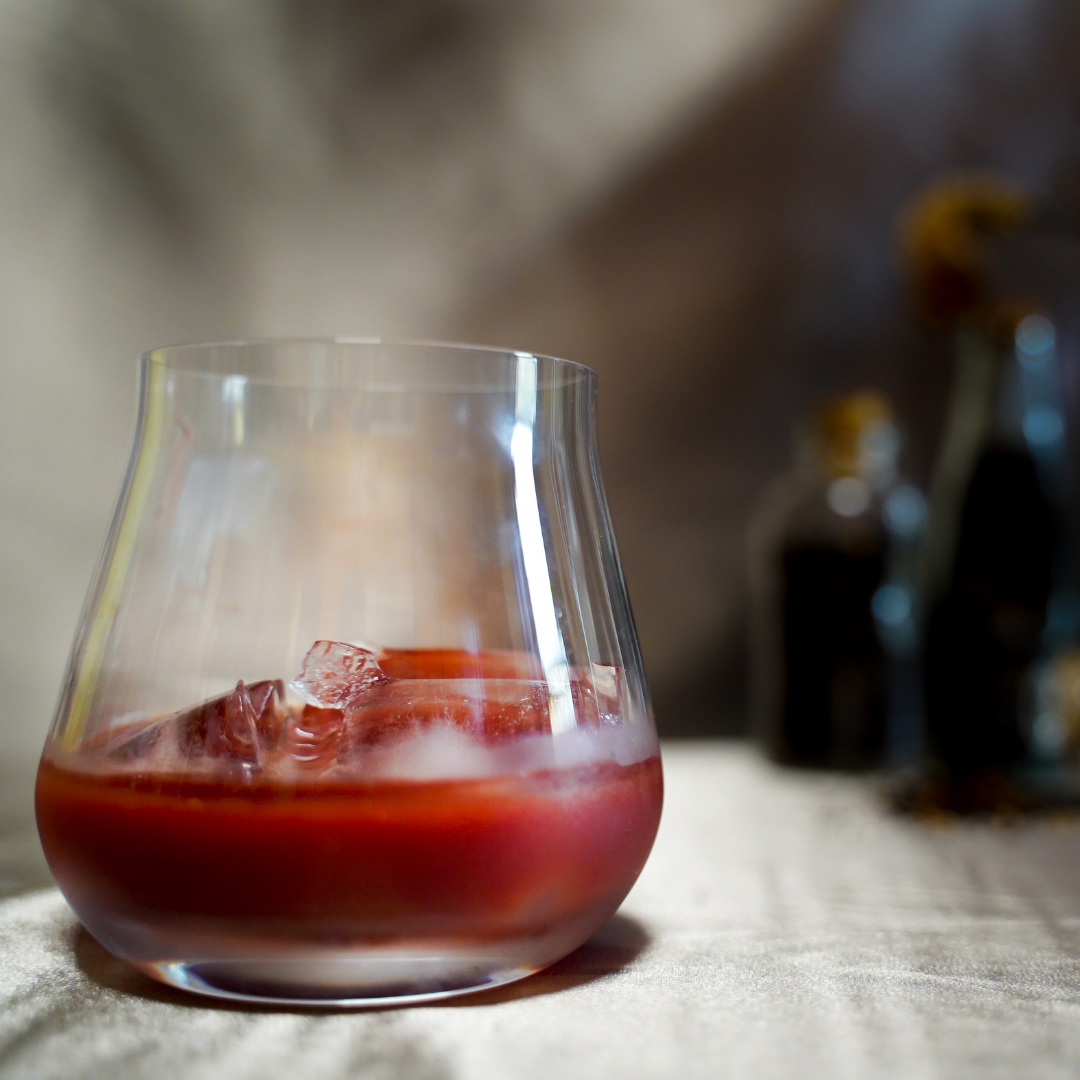
Amaro fans, this is for you. Reminiscent of Italian-style bitter liqueurs, the tannins from the pomegranate juice and teas in the cordial offer a dry mouthfeel, leaving a beguiling finish. I created this drink for POM Wonderful as an autumn/winter slow sipper.
Fruity on the nose and palate, the cordial is designed to be sipped over time, rather than finished at once. Enjoy it served over ice with just a spritz of freshly expressed lemon zest, or you can top it off with tonic for a charming zero-proof drink brimming with style and enchanting depth.
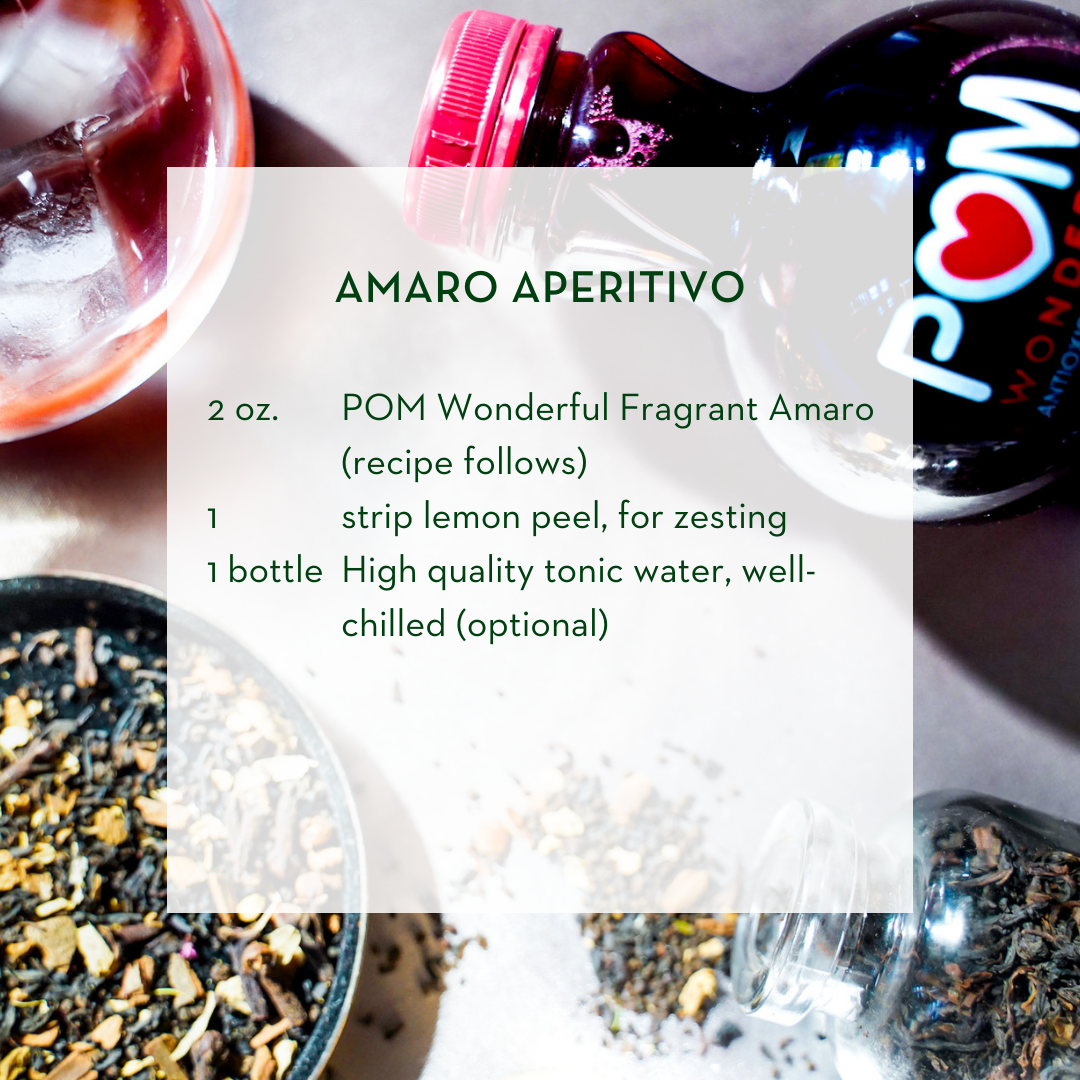
Add a large ice cube to a rocks glass. Pour 2 ounces chilled Fragrant Amaro.
Express lemon zest across the glass to scent the drink, then discard.
Optional serve: Splash with tonic water, to taste.
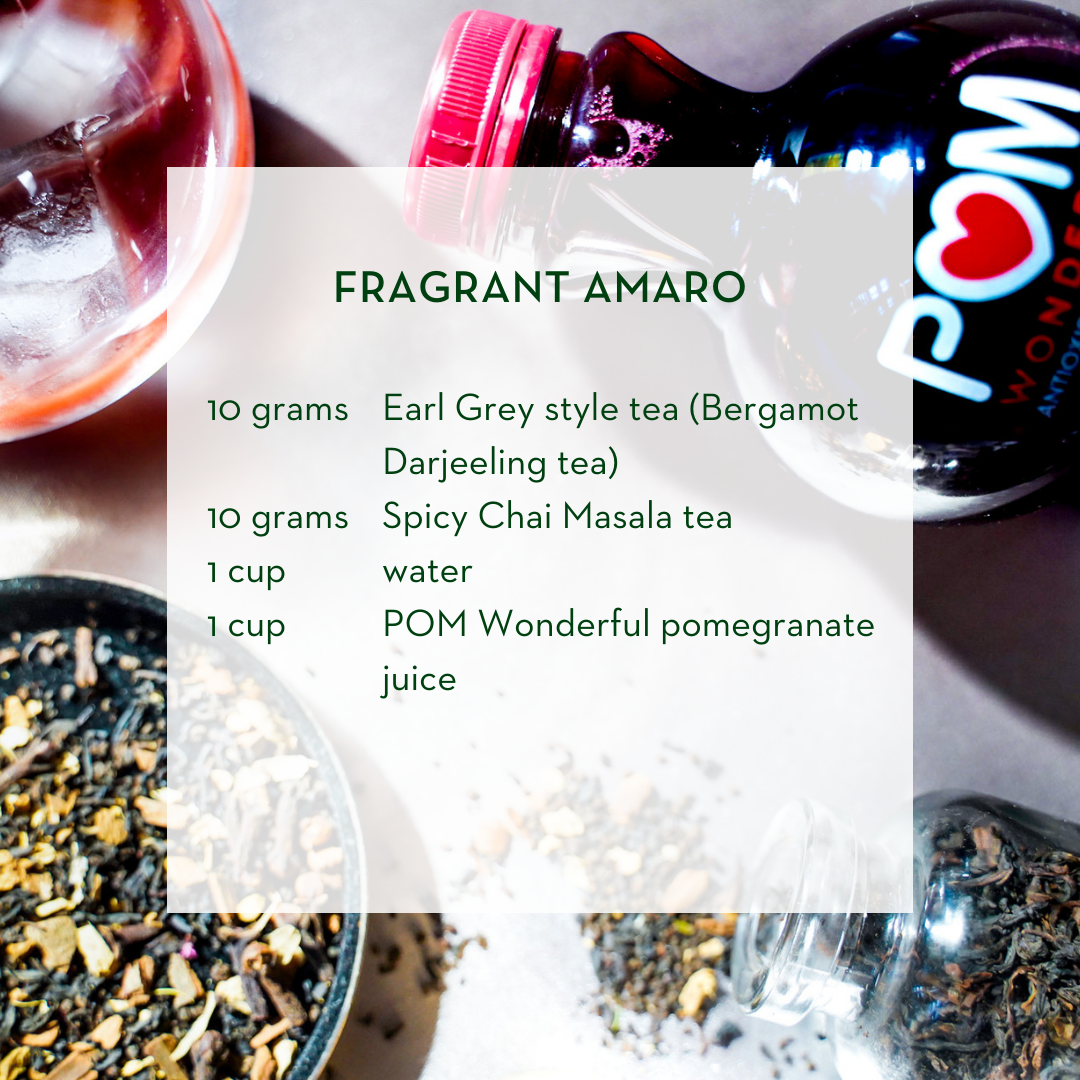
In a saucepan or heavy pot, add enough water to nearly fill, then bring to a gentle boil.
In a mason jar or plastic bag, combine teas, water and POM juice. Seal and gently cook in a water bath (sous vide) for two hours. Water in the pot should be hot and gently boiling; keep the heat at the lowest temperature, and check often that the water covers the mixture at all times.
Remove from heat and set aside to cool completely. Strain solids and pour into a clean container.
Cover and let cool to room temperature before using. Refrigerate if not using immediately.